
In the heart of agricultural innovation, a quiet revolution is taking place; one that is reshaping the landscape of grain processing and empowering small-scale farmers like never before. As the world grapples with the dual challenges of food security and sustainability, mini rice milling machines have emerged as a transformative force. These compact, efficient units not only streamline the milling process but also provide unprecedented access to quality rice production for communities previously sidelined by larger industrial systems. In this article, we explore the burgeoning trend of mini rice milling, delve into the technology behind these machines, and examine their potential to uplift rural economies while promoting sustainable agricultural practices. Join us as we uncover how the rise of mini rice milling machines is not just changing the way grain is processed, but is also contributing to a larger narrative of empowerment and resilience in the face of global challenges.
The Evolution of Rice Milling Technology and Its Global Impact
The journey of rice milling technology has been a fascinating one, tracing back thousands of years to the rudimentary methods of the past. As agriculture evolved, so too did the techniques employed to mill rice, transitioning from manual processes to more sophisticated machinery. The advent of mini rice milling machines marked a pivotal moment in this evolution. These compact and efficient devices democratized rice milling, allowing smallholder farmers and entrepreneurs in developing regions to process their grains effectively, contributing to food security and local economies. By minimizing waste and optimizing yield, these machines not only improved the quality of rice produced but also empowered communities to take charge of their grain processing.
As this technology proliferated, its global impact became evident. The following key benefits illustrate how mini rice milling machines transformed both local and international landscapes:
- Accessibility: Smaller machines tailored for individual farmers reduced dependency on centralized milling facilities.
- Cost Efficiency: Lower operational costs made rice processing more affordable for small-scale operators.
- Quality Control: Farmers could directly oversee the milling process, ensuring better quality and consistency.
- Environmental Benefits: Reduced energy consumption and waste generation contributed to more sustainable farming practices.
| Feature | Impact |
|---|---|
| Size | Compact design allows for easy transport and use in diverse locations |
| Energy Use | Lower energy requirements compared to larger mills |
| Processing Speed | Faster milling times enable quick turnaround for farmers |
| Employment | Creation of jobs in local communities through machine operation and maintenance |
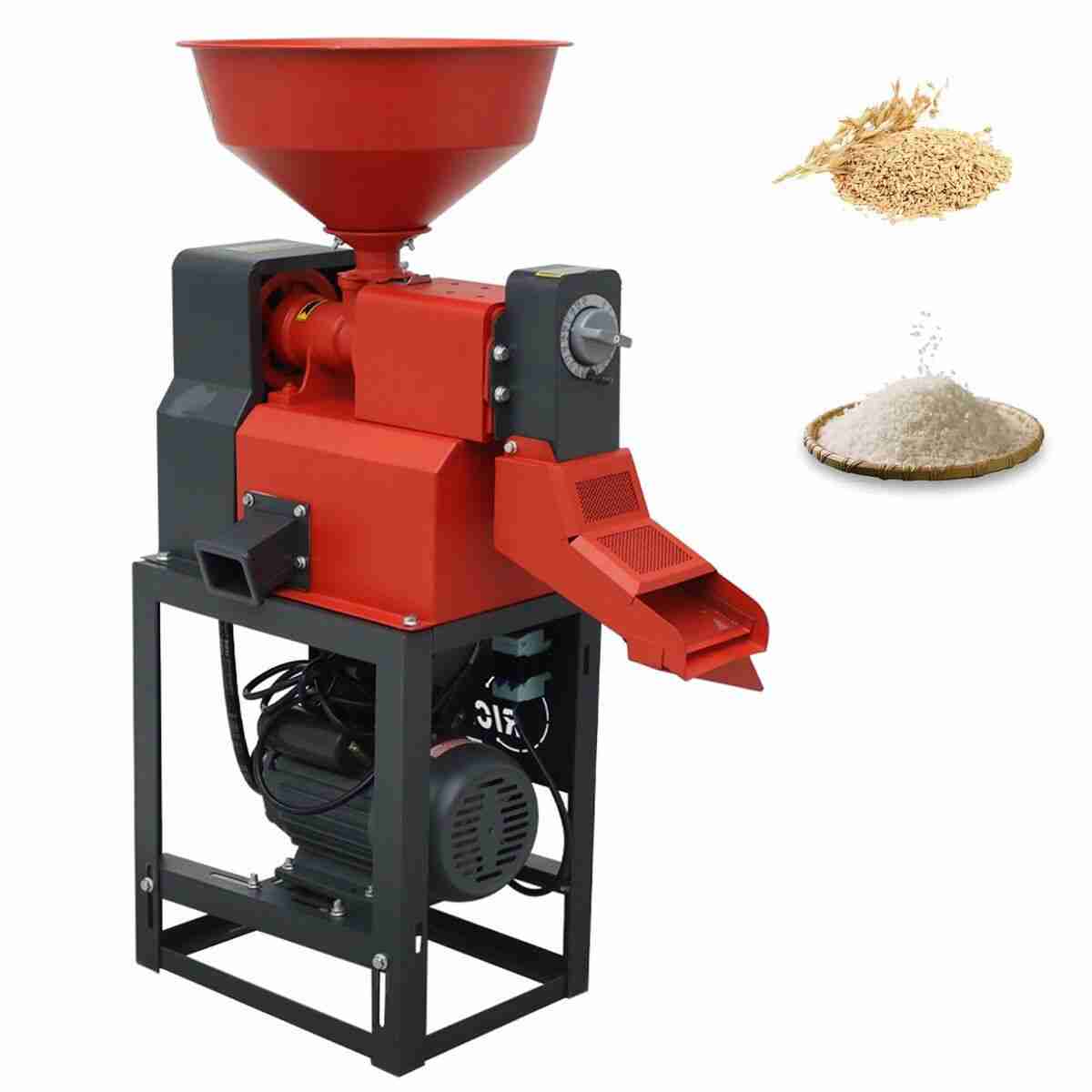
Key Benefits of Mini Rice Milling Machines for Smallholder Farmers
The advent of mini rice milling machines has significantly altered the landscape for smallholder farmers, providing them with the tools to enhance productivity and efficiency. By allowing farmers to process their own rice, these machines ensure greater control over the milling process, leading to improved quality of the final product. Not only do they minimize post-harvest losses, but they also reduce reliance on external milling services, which can be unpredictable and expensive. The compact nature of these machines means they require less space, making them ideal for small farms with limited resources.
Furthermore, mini rice milling machines are designed with user-friendliness in mind, often featuring straightforward operations that do not necessitate extensive training. This accessibility allows farmers to quickly adapt and maximize their use of the equipment. The financial benefits extend beyond just savings on milling costs; by producing high-quality rice, farmers can fetch better market prices. Some of the key advantages include:
- Cost-effectiveness: Lower operational costs due to reduced milling expenses.
- Higher income: Potential for increased sales prices for home-milled rice.
- Flexibility: Ability to mill rice on-demand, thereby addressing market needs promptly.
Enhancing Efficiency and Sustainability in Grain Processing
The evolution of mini rice milling machines signifies a groundbreaking shift towards improved operational effectiveness and environmental responsibility. These compact devices are designed to optimize the traditional grain processing workflow, significantly reducing both the space and energy required. By making cutting-edge technology accessible to smaller operations, mini mills empower local farmers and entrepreneurs to process their harvests on-site, minimizing transportation costs and facilitating fresher products. The adoption of energy-efficient systems and advanced milling techniques ensures that less energy is consumed, directly correlating with lower carbon footprints and enhanced sustainability in grain processing.
Furthermore, the integration of automation and precision engineering in these machines streamlines production techniques, leading to higher yields and less waste. Notably, the user-friendly interfaces and low maintenance requirements make them suitable for users with varying levels of expertise, fostering adoption in diverse agricultural communities. As a result, crucial benefits include:
- Cost savings: Reduced operational costs and improved profitability.
- Local empowerment: Enhances self-sufficiency among farmers and small scale processors.
- Quality enhancement: Improved grain quality through precise milling processes.
As the landscape of grain processing continues to evolve, the role of mini rice milling machines underscores a commitment to both efficiency and sustainability, marking a new era where technology and tradition harmoniously coexist.
Market Trends and Future Prospects for Mini Rice Milling Innovations
The mini rice milling industry is poised for significant growth, driven by advancements in technology and changing consumer preferences. Innovations such as automated processing, energy-efficient operations, and compact designs are becoming increasingly prevalent among manufacturers. These improvements cater to a rising demand for smaller, more sustainable milling solutions that are accessible to local farmers and small businesses. As countries focus on self-sufficiency and food security, mini rice milling machines provide an economical alternative, allowing for in-house processing that reduces reliance on larger mills.
Furthermore, the integration of smart technologies is transforming traditional practices within the sector. With features like real-time monitoring, data analytics, and user-friendly interfaces, modern mills enable operators to enhance productivity and reduce waste. As consumer preferences shift towards organic and locally sourced products, the demand for small-scale milling operations is expected to surge. The table below highlights key markets and their projected growth rates, showcasing the potential for mini rice milling innovations globally:
| Region | Growth Rate (2024-2029) |
|---|---|
| Asia-Pacific | 8.5% |
| North America | 5.2% |
| Europe | 6.0% |
| Latin America | 7.0% |
| Middle East & Africa | 6.8% |
The Conclusion
As we witness the evolution of rice milling technology, mini rice milling machines have emerged as a beacon of progress for small-scale farmers and entrepreneurs alike. These compact powerhouses not only enhance the efficiency of grain processing but also empower local communities to transform their harvests into value-added products. By bridging the gap between tradition and innovation, these machines democratize access to quality milling, enabling producers to maintain control over their output and improve their livelihoods.
As we look to the future, the rise of mini rice milling machines signals a shift towards more sustainable agricultural practices and localized food systems. Their impact goes beyond mere convenience; they represent a thoughtful response to the growing demand for food security and economic resilience in an ever-changing world. With each grain milled, these machines are not just producing rice; they are cultivating hope, one kernel at a time.
In this journey of transformation, the potential is limitless. As technology continues to evolve, so too will the opportunities for innovation within the agricultural sector. For farmers and entrepreneurs willing to embrace this change, the rise of mini rice milling machines is just the beginning of a stronger, more inclusive agricultural landscape.




