
As the world embraces the dual challenges of feeding a growing population and promoting sustainable agricultural practices, innovative agricultural technologies are emerging as essential allies. One such innovation that has gained traction in rice-producing regions is the mini milling machine. Designed to optimize efficiency and reduce waste, these compact powerhouses are revolutionizing the way farmers process rice. By streamlining production processes, mini milling machines not only enhance the quality of the final product but also empower smallholder farmers to improve their livelihoods. In this article, we will explore the rise of mini milling machines, examining their impact on rice production and the broader implications for food security and rural development. Join us as we delve into this transformative trend that is reshaping the landscape of rice farming.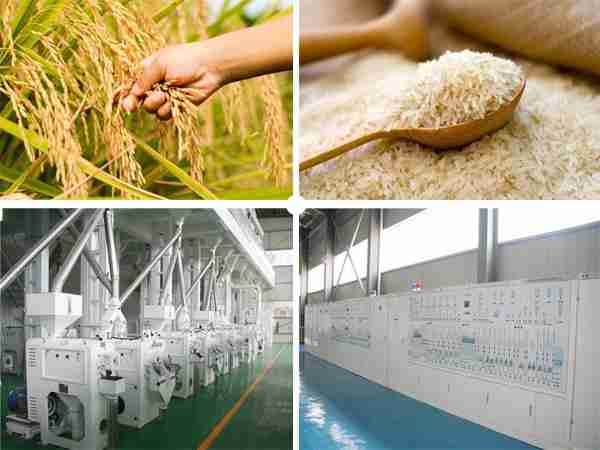
The Evolution of Rice Milling Technology and Its Impact on Production Efficiency
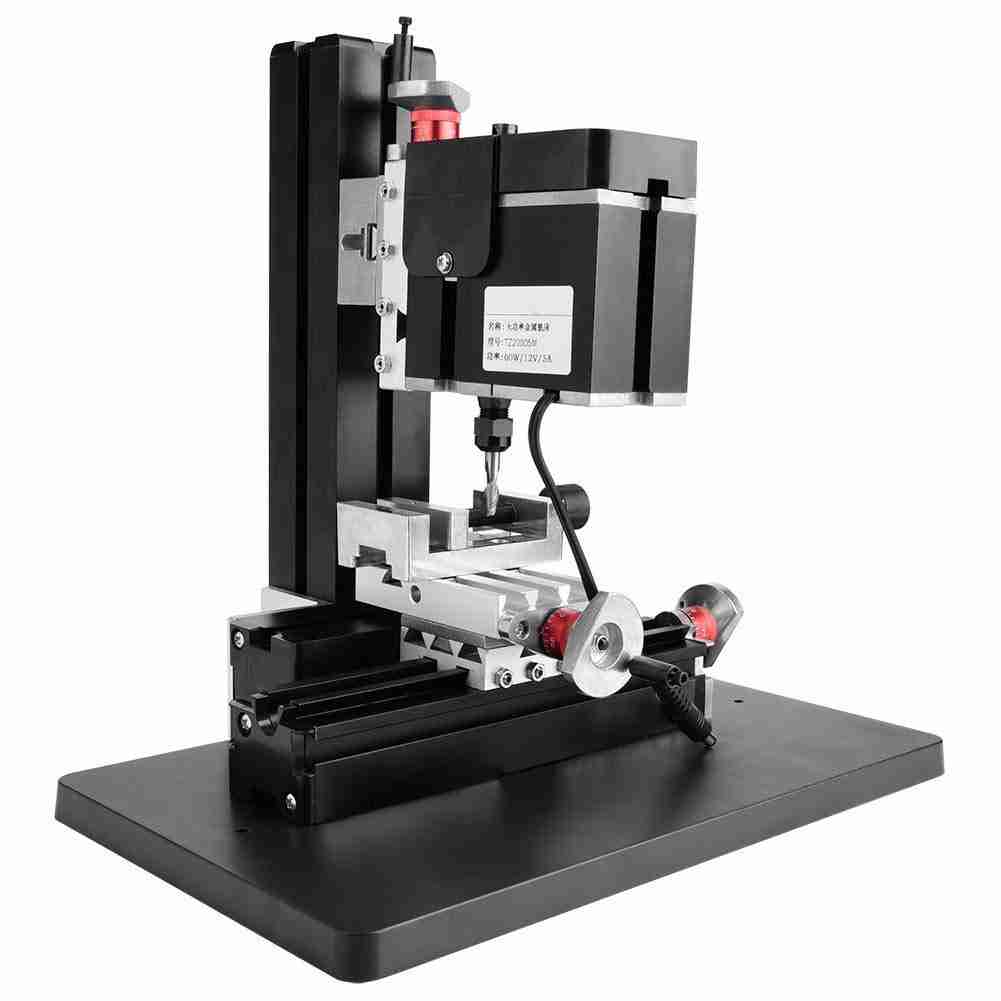
The journey of rice milling technology has witnessed remarkable advancements, notably with the introduction of mini milling machines. These compact units have revolutionized the way small-scale farmers approach rice production. Previously dependent on large, traditional milling systems, farmers faced numerous challenges including high operational costs and limited accessibility. Mini milling machines, however, are designed for efficiency and ease of use, significantly lowering the barriers for entry into rice processing. In addition to cost-effectiveness, these machines offer enhanced functionality, enabling users to produce high-quality rice with minimal waste while streamlining the milling process. This shift not only increases productivity but also empowers local farmers by giving them more control over the production cycle.
As the technology continues to evolve, various features of mini milling machines have been developed to optimize performance. Key improvements include enhanced grinding efficiency, reduced energy consumption, and simplified maintenance requirements. Furthermore, their smaller footprint makes them suitable for a variety of environments, allowing farmers to operate them directly in rural areas. The impact on production efficiency can be summarized as follows:
| Feature | Impact on Efficiency |
|---|---|
| Compact Design | Facilitates easy transportation and use |
| Energy Efficient | Reduces operational costs |
| Quick Setup | Minimizes downtime |
| High Yield | Maximizes output per batch |
These advancements mark a significant step forward in the rice milling industry, demonstrating how technology can resonate throughout agricultural communities. As mini milling machines become more accessible, they promise not just to enhance efficiency but also to foster local economies by supporting smallholder farmers and giving them the tools they need to thrive in a competitive market.
Exploring the Advantages of Mini Milling Machines in Small-Scale Agriculture
In the realm of small-scale agriculture, mini milling machines are revolutionizing the way farmers process their crops. These compact machines are designed to be user-friendly and efficient, making them an ideal choice for smallholder farmers. Here are some key benefits of incorporating mini milling machines into rice production:
- Cost-Effective: Mini mills often require a lower initial investment and less operational cost compared to their larger counterparts, making them accessible to more farmers.
- Space-Saving: Their compact size means they can fit in small farm operations, requiring minimal space while still offering valuable rice milling capabilities.
- Improved Quality: Many of these machines are designed to enhance the quality of the milled rice, resulting in better market prospects for farmers.
- Reduced Labor: With automation features, these machines minimize manual labor, allowing farmers to allocate their workforce to other critical farm tasks.
Moreover, mini milling machines contribute significantly to the sustainability of small-scale rice farming. By enabling farmers to process their grains on-site, these machines reduce the need for transportation and associated carbon footprints. The following table illustrates the differences between conventional milling and mini milling in small-scale rice production:
| Aspect | Conventional Milling | Mini Milling |
|---|---|---|
| Initial Cost | High | Low |
| Space Requirement | Large | Compact |
| Processing Time | Longer | Faster |
| Environmental Impact | Higher | Lower |
The growing availability and affordability of these machines are empowering small farmers to take control of their production, leading to increased autonomy and profitability. As the demand for locally sourced and sustainably produced rice continues to rise, mini milling machines will play a crucial role in the dynamic landscape of agricultural advancement.
Integrating Mini Milling Solutions: Best Practices for Farmers and Cooperatives
The integration of mini milling solutions into farming operations requires a thoughtful approach that considers both technical and community aspects. Farmers and cooperatives should begin by investing in training programs to familiarize their teams with the technology. This ensures that operators are not only skilled in using the machinery but also understand maintenance practices to prolong the life of the machines. Furthermore, establishing collaborative networks can enhance knowledge sharing among local producers, leading to improved efficiency in rice processing. These networks can facilitate resource pooling and collective purchasing of mini milling equipment, making the transition more affordable.
When implementing mini milling solutions, it’s crucial to consider the logistics of rice supply to the milling sites. Setting up a dedicated transport system to efficiently move harvested rice to the mill can optimize processing time and minimize spoilage. Additionally, exploring scheduling strategies to balance the workload for peak production times can enhance the workflow. The following table outlines best practices for integrating mini milling solutions:
| Best Practices | Description |
|---|---|
| Training & Education | Invest in operator training to maximize machine efficiency. |
| Collaborative Networks | Form alliances for resource sharing and knowledge exchange. |
| Logistical Planning | Establish efficient transport and supply chains for rice. |
| Scheduling | Optimize scheduling to manage production and processing peaks. |
Future Trends in Rice Production: Innovations and Sustainability in Milling Operations
The landscape of rice production is evolving significantly, and nowhere is this change more evident than in the milling operations. The introduction of mini milling machines is transforming the way rice is processed, providing not only efficiency but also promoting sustainability. These compact machines are designed to cater to smaller farmers, enabling them to mill their grains on-site, reducing transportation costs, and minimizing environmental footprints. By ensuring that rice is milled closer to where it is harvested, we are witnessing a reduction in post-harvest losses and an increase in overall quality due to the freshness of the grain.
Furthermore, with advancements in technology, mini milling machines now incorporate smart features that optimize every stage of the milling process. This includes precision machining to enhance grain retention, energy-efficient operations, and built-in analytics for performance monitoring. Here are some noteworthy aspects of this innovation:
- Accessibility: Smallholder farmers gain access to milling technology that was previously available only to larger operations.
- Sustainability: Utilization of eco-friendly materials and processes reduces waste and carbon emissions.
- Cost-Effective: Lower operational costs ensure improved profit margins for farmers.
To illustrate the dynamic environment of mini milling technology, here is a simple comparison of traditional vs. mini milling machines:
| Feature | Traditional Milling | Mini Milling |
|---|---|---|
| Size | Large and bulky | Compact and portable |
| Energy Usage | High | Low |
| Cost | High operational costs | Economical and affordable |
| Output Quality | Variable | Consistent quality |
| Environmental Impact | Higher emissions | Reduced emissions |
In Summary
As we conclude our exploration into the transformative world of mini milling machines in rice production, it becomes evident that these compact innovations are not merely tools, but catalysts for a revolution in the agricultural sector. By simplifying processes, enhancing efficiency, and promoting sustainability, mini mills are reshaping the landscape of rice production for farmers and consumers alike.
The journey of rice from field to table has never been smoother, and with the promise of further advancements on the horizon, the potential for growth and improvement continues to expand. As we cultivate our farms with an eye towards the future, embracing technologies that empower rather than disrupt, the ripple effects of these changes will be felt beyond the fields—impacting livelihoods, economies, and our global relationship with food.
In this era of innovation, the art of rice milling is no longer a tale of timeless tradition but a dynamic narrative propelled by ingenuity and foresight. As we look ahead, let us nurture this momentum and strive for a world where agricultural practices not only feed us but also sustain the planet for generations to come. Thank you for joining us on this journey through the heart of rice production—where every grain carries hope for a better tomorrow.




