
In the ever-evolving landscape of agricultural innovation, the pursuit of efficiency and quality remains paramount for farmers and food producers alike. As the global demand for rice continues to surge, the need for effective processing solutions has never been more critical. Enter the combine mini rice mill—a compact powerhouse that embodies the marriage of tradition and technology. These versatile machines have the potential to streamline grain processing, significantly enhance productivity, and contribute to sustainable agricultural practices. In this article, we will explore the transformative impact of combine mini rice mills, examining their benefits, innovations, and the ways they empower farmers to meet the challenges of a dynamic market while preserving the integrity of one of the world’s most essential food sources. Join us as we delve into the power of these remarkable machines and uncover how they are reshaping the future of rice milling.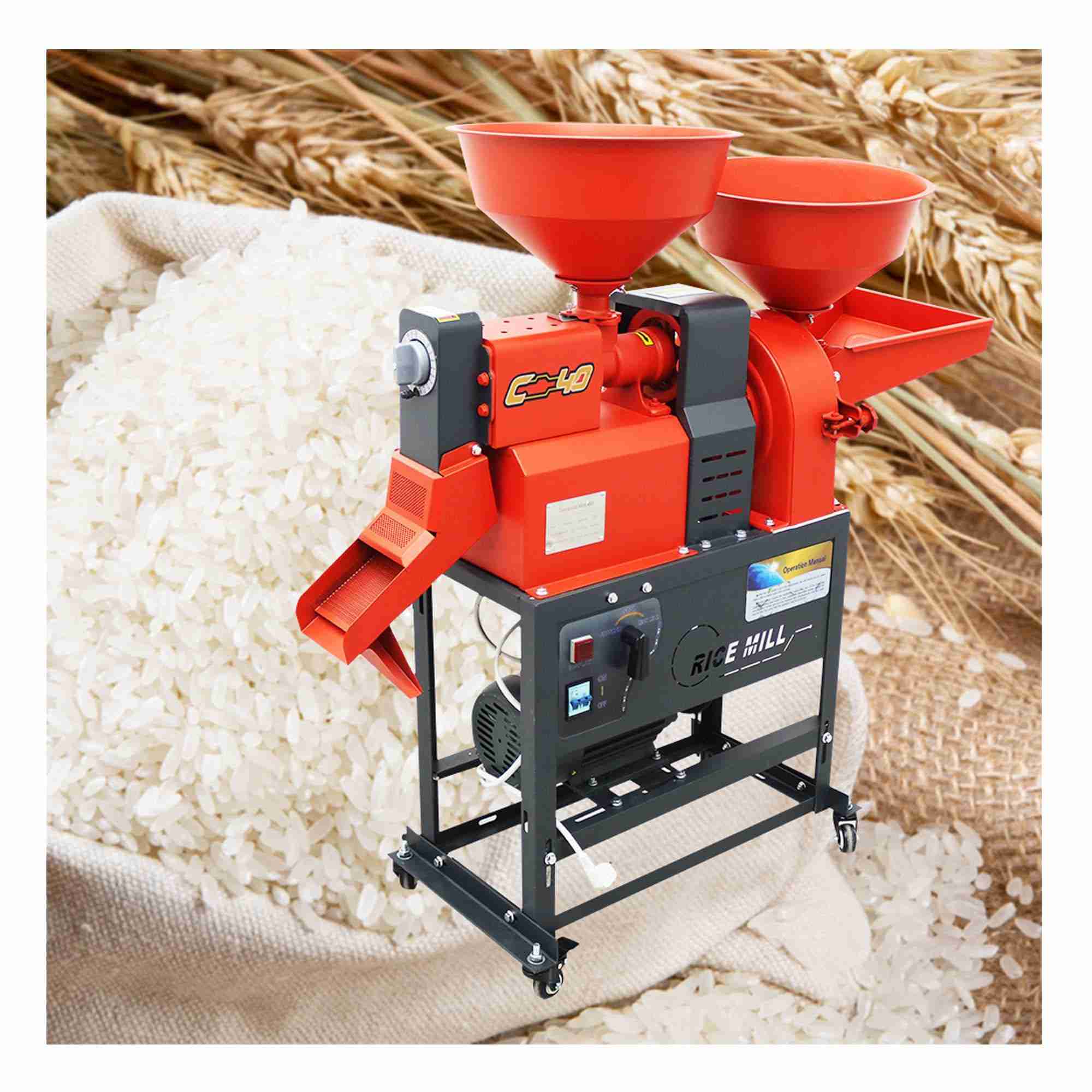
Understanding the Role of Mini Rice Mills in Modern Agriculture
In the ever-evolving landscape of agriculture, mini rice mills have emerged as vital players in enhancing productivity and efficiency. These compact machines not only revolutionize how rice is processed but also significantly reduce labor costs and time associated with traditional milling methods. By integrating modern technology, mini rice mills enable farmers to transform harvested rice into the market-ready product with minimal effort. Their compact design allows for mobility and flexibility within the farming ecosystem, making them accessible to small and medium-sized enterprises that may not afford larger milling systems.
The impact of mini rice mills is multi-faceted, driving better quality control and increased profitability for farmers. With capabilities such as husking, polishing, and sorting, these mills ensure that the end product meets the market’s high standards. Key benefits include:
- Reduced Post-Harvest Losses: Efficient processing minimizes grain spoilage.
- Cost-Effectiveness: Lower operational costs contribute to higher margins for farmers.
- Local Processing: Promotes rural employment and boosts local economies.
Moreover, mini rice mills are designed to be environmentally friendly, consuming less energy and water compared to traditional methods. Their adaptability and ease of use make them a popular choice among farmers looking to stay competitive in a global market that increasingly values sustainability and efficiency. As agriculture continues to adopt innovative solutions, the mini rice mill stands out as a symbol of progress, bridging the gap between traditional practices and modern demands.

Enhancing Efficiency: How Mini Rice Mills Transform Grain Processing
The advent of mini rice mills represents a significant leap forward in grain processing, particularly for small-scale farmers and entrepreneurs. These machines are designed to operate with minimal energy consumption while maximizing output, transforming the way rice is processed. By utilizing modern technology, these mills reduce post-harvest losses and enhance the quality of the final product. The compact size of mini rice mills allows them to fit comfortably in small spaces, making them accessible to a wider range of users. Key benefits include:
- Cost-Effectiveness: Lower operational costs compared to traditional mills.
- Quality Control: Improved consistency in grain quality through precise processing methods.
- Lightweight Design: Easy to transport and install in varying locations.
For many, this transformation means the ability to process rice on-demand, significantly reducing reliance on larger commercial mills that often require lengthy wait times. Furthermore, mini rice mills can handle not just rice but a variety of grains, making them versatile tools for grain processing. The integration of innovative features, such as automated sorting and efficient milling techniques, ensures that every grain processed is of the highest quality. A quick glance at their advantages reveals:
| Feature | Benefit |
|---|---|
| Automated Operations | Less manual labor and higher precision. |
| Energy Efficient | Lower electricity bills enhance profitability. |
| Durability | Long-lasting machinery with adequate maintenance. |

Cost-Effective Solutions: The Economic Benefits of Mini Rice Mills
When considering investment in agricultural technology, mini rice mills stand out as economically successful solutions for both small-scale farmers and larger agricultural enterprises. These compact machines reduce overhead costs significantly by streamlining the rice milling process, thereby enhancing productivity without compromising quality. Moreover, the increased efficiency means farmers can save on labor costs while maintaining a high standard of output. Key advantages include:
- Lower operational costs: Mini rice mills require less energy, utilizing efficient technology that minimizes electricity consumption.
- Reduced wastage: With precise milling, these machines maximize grain recovery, ensuring more profit per harvest.
- Accessibility: Affordably priced compared to larger mills, these units are easily attainable for smallholder farmers, promoting economic inclusivity.
The financial benefits extend even further through the potential for local market development. Mini rice mills empower farmers to process and sell their product directly, cutting out middlemen and enhancing profit margins. Additionally, as farmers engage with the local economy, ripple effects emerge, stimulating jobs and fostering entrepreneurial ventures in rural regions. The following table outlines the comparative advantages of traditional rice milling versus mini rice mills:
| Feature | Traditional Rice Mills | Mini Rice Mills |
|---|---|---|
| Initial Cost | High | Moderate |
| Operating Costs | High | Low |
| Labor Requirement | High | Low |
| Grain Recovery | Variable | High |
Sustainable Practices: Environmental Advantages of Streamlined Grain Processing
The shift towards mini rice mills heralds a new era of sustainable grain processing, emphasizing efficiency and minimal environmental impact. Traditional grain processing methods often involve extensive energy usage and significant waste production. By contrast, mini rice mills utilize advanced technology to ensure that not only is energy consumption reduced but also the quality of the grains is maintained throughout the milling process. With features designed for optimal resource management, these mills offer operational benefits that align closely with environmental preservation goals.
Some of the key environmental advantages of adopting streamlined grain processing through mini rice mills include:
- Reduced Energy Consumption: Thanks to their compact design and efficient machinery, these mills demand less energy compared to larger counterparts.
- Lower Water Usage: Mini mills incorporate innovative water-saving techniques, contributing to water conservation efforts.
- Minimized Waste Production: The improved processing techniques decrease the amount of by-products, making it easier to utilize leftovers effectively.
Furthermore, the economic benefits align with environmental practices; local farmers can engage in small-scale, energy-efficient milling, reducing transportation emissions and fostering community sustainability. Growth in regional grain processing can promote circular economy principles, encouraging recycling and reusing materials within the local ecosystem.
| Feature | mini rice mill Advantage |
|---|---|
| Energy Efficiency | Consumes up to 40% less energy |
| Water Conservation | Reduces water requirements by 30% |
| Waste Reduction | Less than 5% waste produced |
To Wrap It Up
As we conclude our exploration into the transformative world of combine mini rice mills, it becomes clear that these innovative machines are more than just a technological advancement; they represent a pivotal shift in the agricultural landscape. By streamlining the rice processing journey, they not only enhance efficiency and productivity but also empower farmers with greater control over their harvests.
In an era where sustainability and quality are paramount, mini rice mills stand as a beacon of progress, bridging the gap between traditional farming methods and modern agricultural practices. As we embrace this evolution, it’s essential to recognize the profound impact these mills can have on local economies, food security, and the livelihoods of countless farmers.
Adapting to the challenges of today’s world requires ingenuity, and combine mini rice mills exemplify this spirit. As technology continues to advance, the agri-food sector must remain agile, harnessing such innovations to pave the way towards a more robust and resilient future. From the paddy field to your plate, the journey of rice has never been more streamlined—and it’s only just beginning.




