
In the heart of rice-producing countries, a quiet revolution is taking place – one that is small in size but mighty in impact. The advent of mini rice mill plants has transformed the way rice is processed, offering farmers and entrepreneurs a more efficient and cost-effective solution. Join us as we delve into the world of these compact powerhouses and explore how they are revolutionizing the rice industry.
Compact and Efficient: The Advantages of mini rice mill Plants
When it comes to processing rice, size doesn’t always matter. In fact, the mini rice mill plant revolution is changing the game for farmers and rice mill owners everywhere. These compact and efficient plants offer a range of advantages that make them a popular choice for those looking to streamline their rice milling operations.
One of the main benefits of mini rice mill plants is their space-saving design. These plants are small enough to fit into tight spaces, making them ideal for small or cramped milling facilities. Despite their size, mini rice mill plants boast impressive efficiency, producing high-quality rice in a fraction of the time it takes larger, more traditional mills. With features like automatic feeding and processing, these plants are a game-changer for those looking to increase productivity and reduce manual labor.

Sustainable Agriculture: The Environmental Benefits of mini rice mill Plants
Sustainable agriculture is becoming increasingly important as we look for ways to reduce environmental impact and promote long-term food security. mini rice mill plants are at the forefront of this movement, offering a compact and efficient solution for rice processing. These small but mighty machines are designed to be environmentally friendly, consuming less energy and water than traditional rice mills.
By investing in a mini rice mill plant, farmers can not only increase their efficiency and productivity but also contribute to a healthier planet. These plants significantly reduce greenhouse gas emissions and water usage, making them a sustainable choice for rice processing. With their compact size and lower energy requirements, mini rice mill plants are revolutionizing the way we think about agriculture and its impact on the environment.
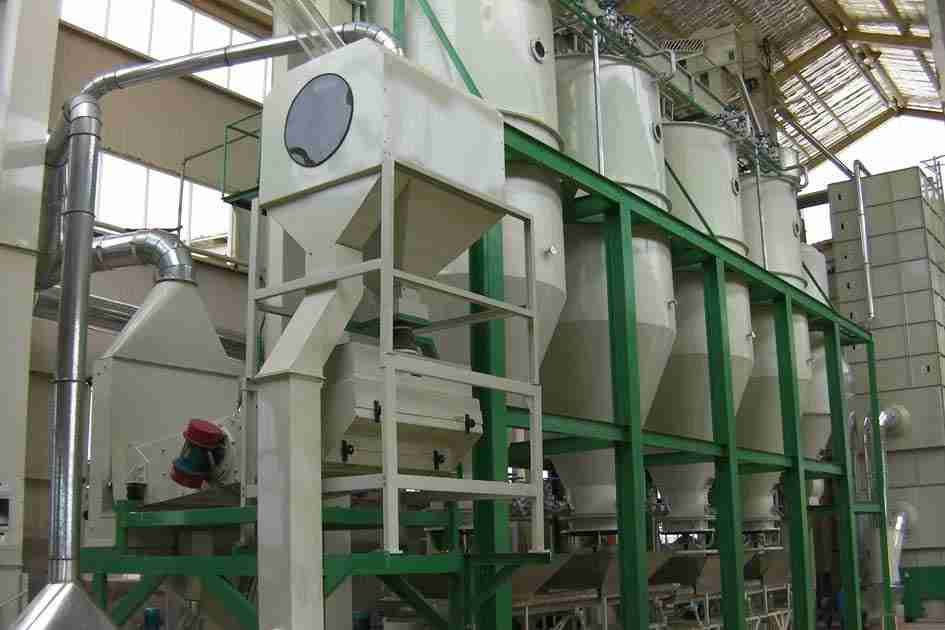
Maximizing Profitability: Tips for Running a Successful mini rice mill Plant Business
When it comes to running a successful mini rice mill plant business, there are a few key tips that can help you maximize profitability and efficiency. One important factor to consider is investing in high-quality equipment that can help streamline the milling process. By using modern technology and machinery, you can increase production capacity and improve the quality of your rice.
Another crucial aspect of running a successful mini rice mill plant business is proper management of resources and inventory. By keeping track of your raw materials, packaging supplies, and finished products, you can avoid waste and ensure that you are maximizing your profits. Additionally, exploring new markets and distribution channels can help you reach a wider customer base and increase sales. By implementing these strategies, you can revolutionize your mini rice mill plant business and achieve long-term success.
Future Outlook
As we’ve seen, the mini rice mill plant revolution is truly changing the game for rice farmers around the world. With their compact size and powerful abilities, these small machines are proving that size really doesn’t matter when it comes to efficiency and quality. Whether you’re a small-scale farmer looking to increase your productivity or a large-scale operation in need of versatility, the mini rice mill plant is a revolutionary solution that packs a mighty punch. Keep an eye out for this game-changing technology as it continues to make waves in the agricultural industry.




