
In the verdant fields where patience meets the promise of prosperity, rice has long been a staple nourishing billions around the globe. Yet, despite its significance, traditional rice farming has often been marred by inefficiencies and labor-intensive practices. Enter the mini mill combine—a groundbreaking innovation poised to transform the landscape of rice production. These compact, versatile machines not only streamline harvesting and milling processes but also empower smallholder farmers to maximize their yields and enhance sustainability. As we delve into the mechanics and impact of mini mill combines, we uncover a compelling narrative of how technology can revolutionize agriculture and pave the way for a more resilient, food-secure future. Join us as we explore this pivotal evolution in rice production and its implications for farmers, markets, and the world at large.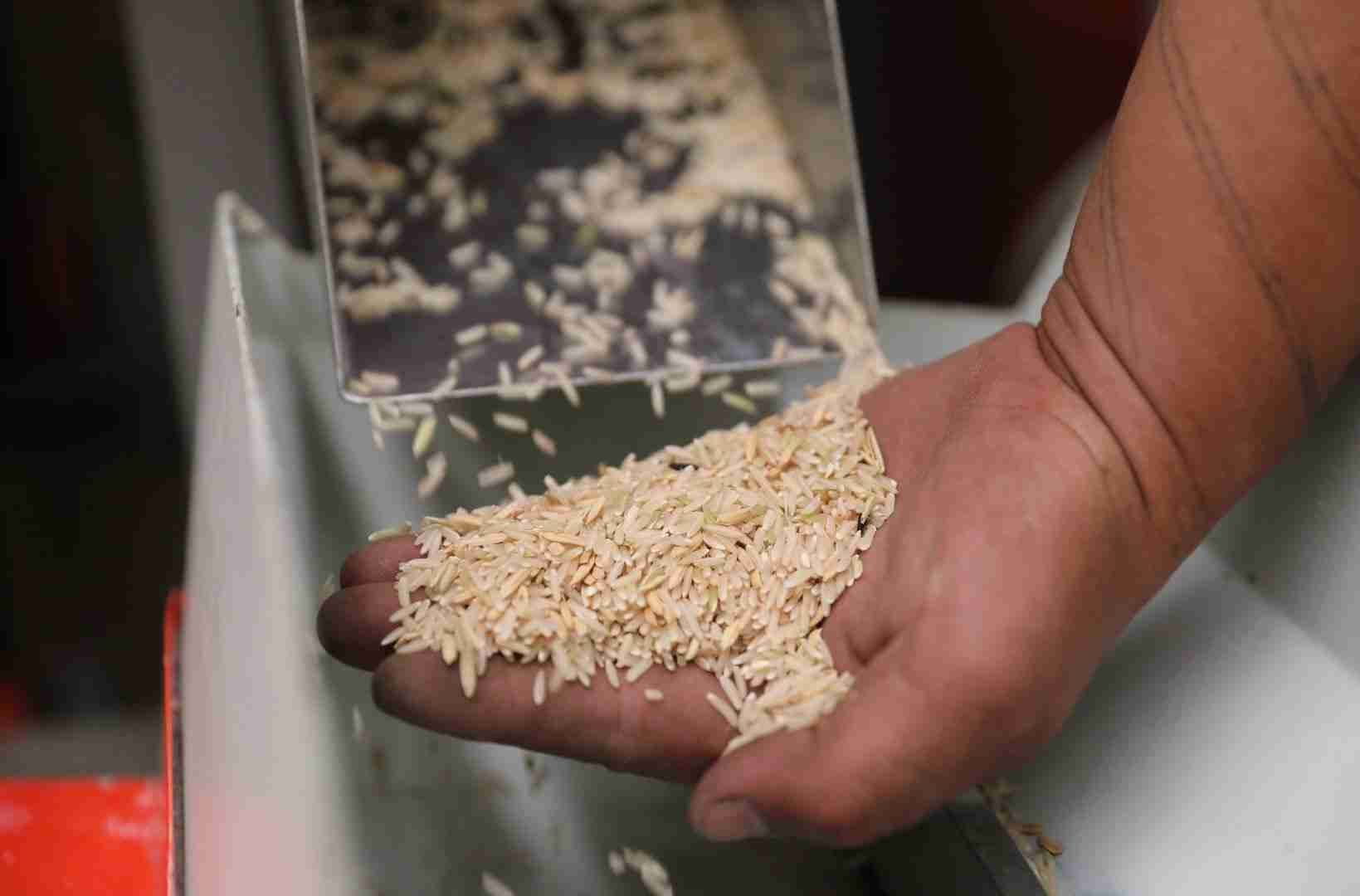
Redefining Efficiency in Rice Processing Through Mini Mill Combines
In the ever-evolving landscape of agricultural technology, mini mill combines stand out as a beacon of efficiency in rice processing. These compact units simplify the traditional milling process, bringing essential functions—such as cleaning, hulling, and polishing—under one roof. By incorporating modern engineering with user-friendly designs, these mills not only reduce the workspace required but also minimize energy consumption, thus leading to substantial cost savings for farmers and producers alike.
The advantages of adopting mini mill combines extend beyond mere space and energy efficiency. They also provide enhanced productivity and yield quality, crucial for standing out in a competitive market. Key benefits include:
- Lower Operational Costs: Reduced labor and maintenance expenses compared to larger milling systems.
- Faster Processing Time: With multiple operational functionalities, rice can be processed in less time.
- Improved Grain Quality: Superior technology ensures minimal breakage, resulting in better market prices.
- Accessibility for Small Farmers: More affordable and easier to operate, empowering smallholder farmers to enter the market.

Unleashing the Potential of Technology for Sustainable Farming Practices
As the agricultural landscape shifts towards sustainability, the introduction of mini mill combines stands out as a beacon of innovation in rice production. These compact powerhouses integrate multiple functions—harvesting, threshing, and milling—into a single, nimble machine. This not only streamlines the process but also reduces waste and maximizes efficiency. The mini mill combines are designed to operate in various terrains, making them suitable for smallholder farmers who represent a significant proportion of the global rice production. Their small footprint and energy-efficient design help minimize the environmental impact while boosting productivity.
Furthermore, some key advantages of these advanced machines include:
- Cultivation Efficiency: Ability to harvest and process rice in one go, saving time and labor costs.
- Resource Conservation: Reduced water and energy consumption compared to traditional methods.
- Quality Control: Improved quality of rice grains through precision milling techniques.
- Accessibility: Made for small fields, ensuring that even the smallest farmers can benefit from modern technology.
To further illustrate the impact of mini mill combines, a comparison of traditional vs. modern rice production methods can be useful:
| Aspect | Traditional Method | Mini Mill Combine |
|---|---|---|
| Labor Requirement | High | Low |
| Time to Harvest | 1-2 weeks | 1-2 days |
| Grain Loss | 20-30% | 5-10% |
| Water Usage | High | Moderate |
This progressive approach not only highlights the transformative influence of technology but also underscores a commitment to sustainable farming practices that can withstand the challenges of climate change and food security.
Enhancing Quality and Yield with Innovative Harvesting Techniques
In the quest for improved agricultural outcomes, the introduction of mini mill combines has proven to be a game-changer in rice production. These innovative machines not only streamline the harvesting process but also significantly enhance the quality and yield of the crop. Mini mill combines offer precision and efficiency, enabling farmers to operate with decreased labor costs and increased productivity. By integrating harvesting and milling processes, these machines ensure that rice is processed at the peak of freshness, contributing to a superior end product.
The advantages of mini mill combines are multifaceted. They include:
- Efficient Harvesting: Minimizing losses during the harvesting stage.
- Reduced Labor: Allowing farmers to cover larger areas with a smaller workforce.
- Quality Preservation: Protecting the grain from environmental factors that could affect quality.
- Cost-Effectiveness: Lower operating costs lead to increased profit margins.
Moreover, the integration of smart technology in these combines facilitates real-time monitoring of crop conditions, enabling farmers to make data-driven decisions to enhance their practices further. Choosing innovative tools like mini mill combines can ultimately shift the paradigm of rice farming towards a more sustainable and profitable future.
Building a Future: Access and Training for Smallholder Farmers
In an era where food security is paramount, empowering smallholder farmers through access to innovative technologies is essential. Mini mill combines represent a breakthrough that not only enhances rice production efficiency but also supports rural livelihoods. By integrating harvesting and milling processes into one machine, farmers can significantly reduce the time and labor costs associated with traditional farming practices. This technology provides an opportunity for smallholders to cultivate rice at a higher yield, ensuring that they can compete in a global market while maintaining sustainability.
Equipping these farmers with the necessary training to operate and maintain mini mill combines goes hand-in-hand with the provision of this technology. Through targeted programs, smallholder farmers can learn about:
- Machine operation: Understanding the mechanics of mini mill combines ensures optimal use and longevity.
- Best agricultural practices: Training covers methods that improve soil health and increase crop yields.
- Disease management: Knowledge of pest control and plant health can mitigate losses.
Such knowledge transfer is critical for fostering resilience in farming communities, allowing for improved production systems that can withstand climate fluctuations and market changes.
| Training Topic | Description |
|---|---|
| Machine Operation | Hands-on guidance for safe and efficient use of mini mill combines. |
| Crop Management | Strategies for optimizing crop growth and harvest cycles. |
| Market Access | Insights on connecting with buyers and maximizing profits. |
This integrated approach not only enhances the production capacity of smallholder farmers but also helps build a sustainable agricultural ecosystem that thrives on knowledge, innovation, and community collaboration. By focusing on both access to advanced machinery and comprehensive training, we are paving the way for a resilient future where every smallholder can contribute to food security and economic growth.
Wrapping Up
In a world where the demand for sustainable and efficient food production continues to grow, mini mill combines stand out as a beacon of innovation in rice cultivation. These compact powerhouses merge technology with tradition, offering farmers a means to enhance productivity while minimizing waste. As we move forward, the integration of these machines not only promises to transform rice production but also to empower smallholders, boost local economies, and contribute to food security.
The journey toward revolutionizing agriculture is ongoing, and the adoption of mini mill combines is a crucial step in a larger narrative of resilience and adaptability in farming practices. As stakeholders in the agricultural sector explore the balance between mechanization and the stewardship of resources, it becomes clear that the future of rice production is bright, and it is powered by ingenuity. Ultimately, embracing these advancements could pave the way for a more sustainable and equitable food system. Let us cultivate possibilities anew, for the fields we tend today will feed generations to come.




