
In the heart of agricultural innovation, a quiet revolution is taking place that could redefine the landscape of rice production. Gone are the days when large, cumbersome machinery dominated the fields, demanding vast resources and extensive manpower. Enter the era of combine mini rice mills—a groundbreaking solution that marries efficiency with accessibility. These compact powerhouses are not only transforming the way rice is harvested but are also empowering smallholder farmers to increase yields while minimizing wastage. As global demand for rice continues to rise, the integration of these sophisticated yet user-friendly machines promises to unlock new potential across diverse agricultural landscapes. Join us as we explore how combine mini rice mills are at the forefront of this transformative journey, reshaping farming practices and sustaining livelihoods across the globe.
Harnessing Cutting-Edge Technology for Efficient Rice Processing
In today’s fast-paced agricultural landscape, the integration of advanced machinery is reshaping traditional methods of rice processing. Mini rice mills, equipped with the latest technology, are central to enhancing productivity and ensuring a higher quality of the final product. These cutting-edge machines streamline the milling process by reducing manual labor and minimizing grain loss, which translates to increased efficiency and profitability for farmers. Key features of these modern mills include:
- Automated Operations: Automation in process controls allows for real-time adjustments, ensuring optimal milling conditions.
- Energy Efficiency: Designed to use significantly less energy than older models, these mills are not only cost-effective but also environmentally friendly.
- Compact Design: The smaller footprint of mini rice mills makes them suitable for rural settings, enabling local processing and reducing transportation costs.
Furthermore, the incorporation of data analytics and connectivity options empowers farmers to monitor and optimize their milling operations. With features like remote diagnostics and performance tracking, users can enhance decision-making related to maintenance schedules and inventory management. The transition to these innovative systems is further supported by training programs that educate farmers on maintaining and utilizing their new equipment effectively. This modernization of rice processing presents numerous advantages:
| Advantage | Description |
|---|---|
| Quality Improvement | Produces higher-quality rice with improved taste and nutrition. |
| Cost Reduction | Lower operational and maintenance costs lead to better profit margins. |
| Scalability | Easily scalable to meet increasing production demands. |
Enhancing Smallholder Farmer Productivity Through Mini Rice Mills
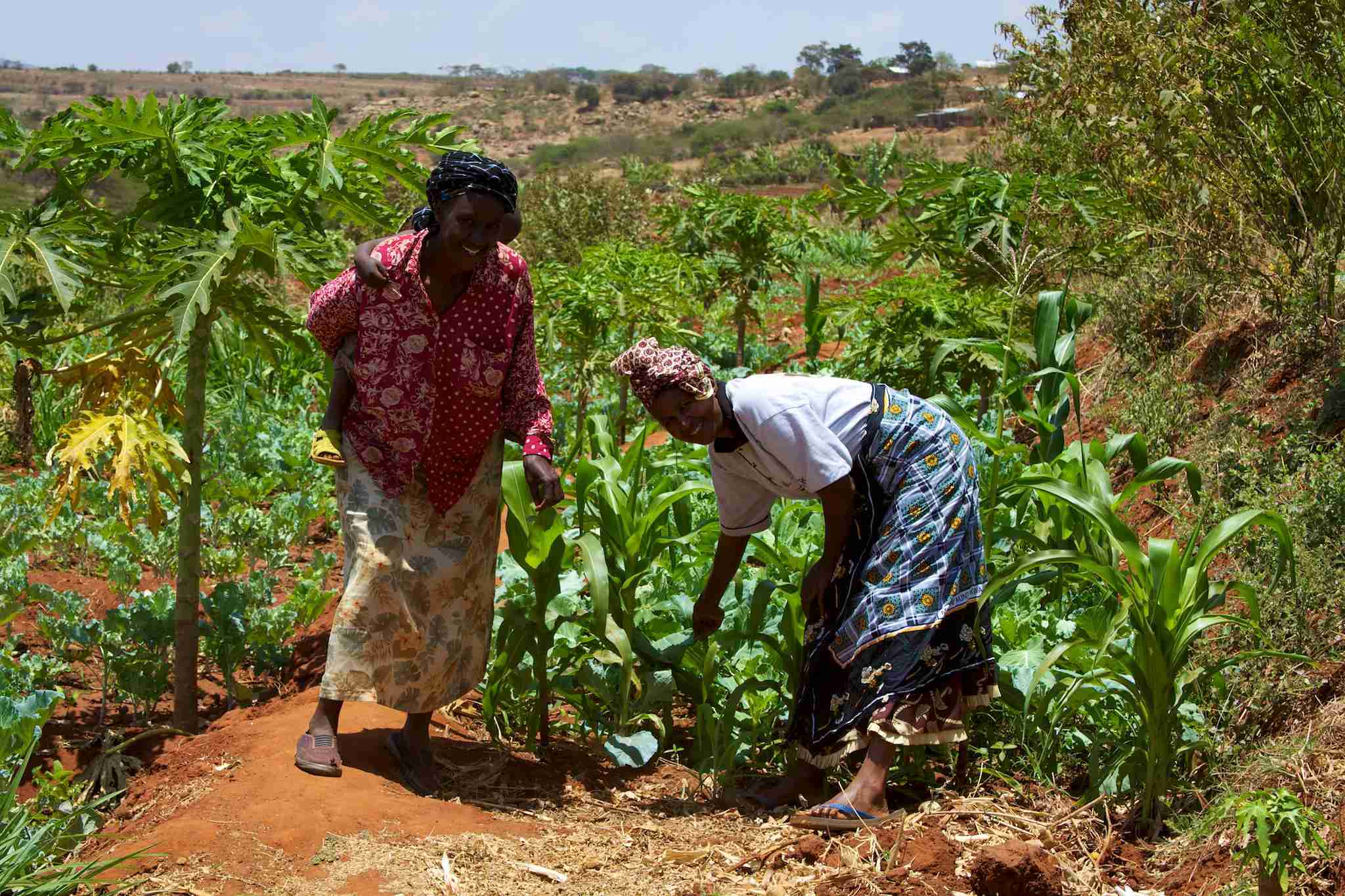
Mini rice mills offer a myriad of benefits that directly contribute to enhancing the productivity of smallholder farmers. By equipping these farmers with compact and efficient milling technologies, they gain access to processing their harvests independently and immediately. This capability not only minimizes post-harvest losses but also ensures that the grains maintain their quality and nutritional value. Key advantages include:
- Reduced Processing Time: With mini rice mills, farmers can quickly turn paddy into rice, aligning milling operations closely with harvest time.
- Cost Efficiency: Lower operational costs make it feasible for smallholders to own and operate their milling equipment, improving profitability.
- Sustainability: By returning waste products, such as broken rice and husks, back into their farming systems, farmers can improve soil fertility and reduce waste.
- Quality Control: Farmers can oversee the milling process, ensuring they produce high-quality rice that meets market demands.
Furthermore, combining these mini rice milling capabilities with modern agricultural practices unlocks additional potential for smallholder farmers. For instance, farmers can collaborate within cooperatives, sharing resources and expertise, thus optimizing the milling process even further. They can also harness data-driven agricultural techniques to monitor crop yields and adjust their cultivation practices for maximum output. Innovative approaches such as:
| Innovation | Benefit to Farmers |
|---|---|
| Crop Rotation | Enhances soil health and nutrient availability. |
| Precision Farming | Optimizes inputs leading to higher yields. |
| Market Linkages | Direct access to markets increases income. |
In this ecosystem, mini rice mills serve not only as machinery but as a catalyst for transformation and empowerment, turning smallholder farmers into flourishing entrepreneurs capable of navigating both local and international markets confidently.

Sustainability in Rice Production: The Environmental Benefits of Mini Mills
As the world grapples with environmental challenges, the importance of sustainable agricultural practices has never been clearer. Mini mills, particularly those designed for rice production, offer innovative solutions that significantly reduce ecological footprints. By decentralizing milling operations, these mini mills help minimize transportation energy consumption, allowing farmers to process their harvested rice closer to their fields. This local approach not only curtails greenhouse gas emissions but also supports rural economies, creating job opportunities and fostering community resilience.
Furthermore, mini mills contribute to sustainable practices through efficient resource utilization. They are designed to optimize energy consumption while producing less waste compared to traditional milling methods. Key advantages include:
- Water Conservation: Mini mills require less water in the milling process, preserving this vital resource.
- Less Chaff Waste: Efficient milling techniques minimize the amount of chaff produced, promoting a cleaner production environment.
- Eco-friendly Practices: Many mini mills can utilize biofuels or solar energy, further reducing their reliance on fossil fuels.
By embracing such technology, farmers can not only enhance their productivity but also contribute to a more sustainable future for agriculture. Investment in mini mills is an investment in eco-friendly practices, proving that advancements in technology can align with environmental stewardship.
Empowering Rural Economies: The Economic Impact of Combine Mini Rice Mills
The introduction of combine mini rice mills has significantly transformed rural economies, creating a cascading effect on local agriculture and finances. These compact machines not only streamline the process of harvesting and processing rice but also reduce the labor intensity traditionally associated with rice milling. As a result, farmers can achieve higher yields and better-quality grains, leading to an increase in their income levels. The economic impact of these mills extends beyond individual farmers, as they contribute to job creation in rural areas, supporting a variety of ancillary services that bolster the local economy.
Moreover, combine mini rice mills promote sustainability by minimizing waste through efficient processing techniques and by-products utilization. This generates additional income streams for farmers and mill operators alike. By enhancing the marketability of locally produced rice, these mills foster competitiveness against larger commercial operations. The resulting increase in production capacity and quality not only uplift the farmers’ standard of living but also enhance the overall economic viability of rural regions, which can be summarized in the following benefits:
- Increased Income: Higher yield and better grain quality.
- Job Creation: New employment opportunities arise around milling operations.
- Market Competitiveness: Locally produced rice gains a stronger foothold in the market.
- Sustainable Practices: Reduction of waste and efficient resource usage.
Key Takeaways
the advent of combine mini rice mills marks a transformative shift in the agricultural landscape, particularly for smallholder farmers. With their innovative design and multifaceted capabilities, these machines bridge the gap between traditional farming practices and modern efficiency, delivering higher yields and quality while reducing labor costs. As we move forward, the potential for these compact powerhouses to drive economic growth and elevate food security cannot be overstated. Embracing this technology not only empowers farmers but also paves the way for sustainable agricultural practices that honor both the earth and its stewards. The harvest of tomorrow is not just about grain; it’s about ensuring that every farmer has the tools they need to cultivate their dreams.




