
In an era where innovation drives evolution, the agricultural landscape is witnessing a subtle yet profound transformation—enter the versatile mini rice mill. This compact marvel is not just a piece of machinery; it is a beacon of change in grain processing, catering to farmers, small businesses, and sustainable practices alike. As we explore the humble yet impactful role of the mini rice mill, we uncover how it is revolutionizing rice production, enhancing food security, and fostering economic growth in rural communities. Join us on a journey to discover the future of grains, where convenience meets efficiency, and tradition embraces technology.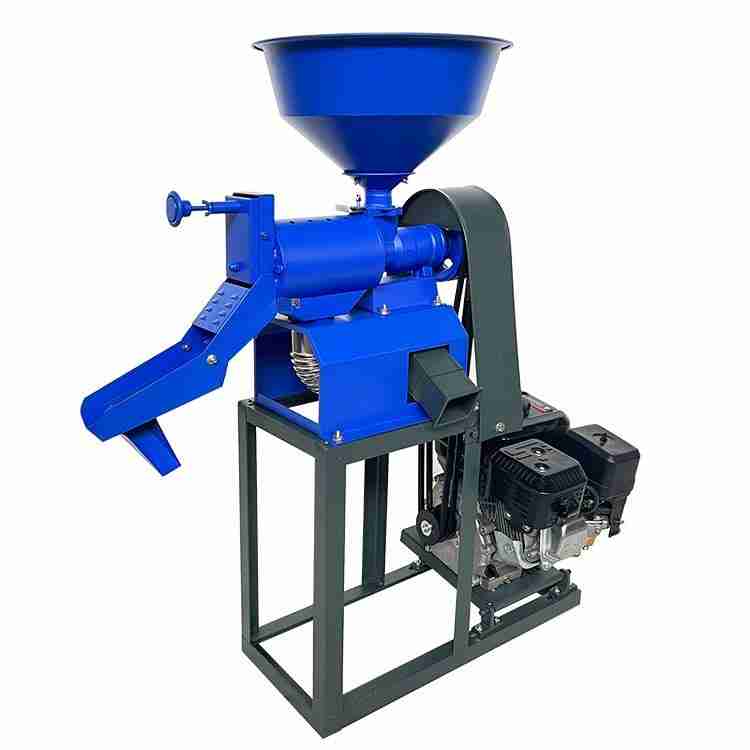
Understanding the mini rice mill and Its Impact on Grain Production
The mini rice mill is a game-changing innovation in the field of grain processing, offering farmers and local entrepreneurs a streamlined solution to produce quality rice efficiently. Unlike traditional milling systems, which often require substantial investments and infrastructure, the compact mini rice mill is designed for affordability and accessibility. Its simplicity allows even smaller-scale farmers to engage in rice milling, thereby enhancing their productivity and income. Moreover, it can be operated by just one person, minimizing labor costs and maximizing output. With a capacity that caters to both household needs and small-scale supply chains, these mills help bridge the gap between production and consumption.
The impact of mini rice mills extends beyond immediate economic benefits. By enabling local milling, these machines reduce dependence on large, centralized processing facilities, thus fostering community self-sufficiency. Additionally, the use of modern technology in mini rice mills optimizes the refining process, yielding a higher percentage of polished rice while minimizing waste. Here are several key advantages:
- Cost-effective: Lower initial investment and operational expenses.
- Efficiency: Produces higher yields with minimal energy consumption.
- Quality: Provides better quality and fresher rice for local consumers.
- Environmentally friendly: Reduces carbon footprint by lowering transportation needs.
As a result, not only do mini rice mills contribute to local economies, but they also play a crucial role in ensuring food security and enhancing the resilience of agricultural communities.
Essential Features of Mini Rice Mills for Modern Farming
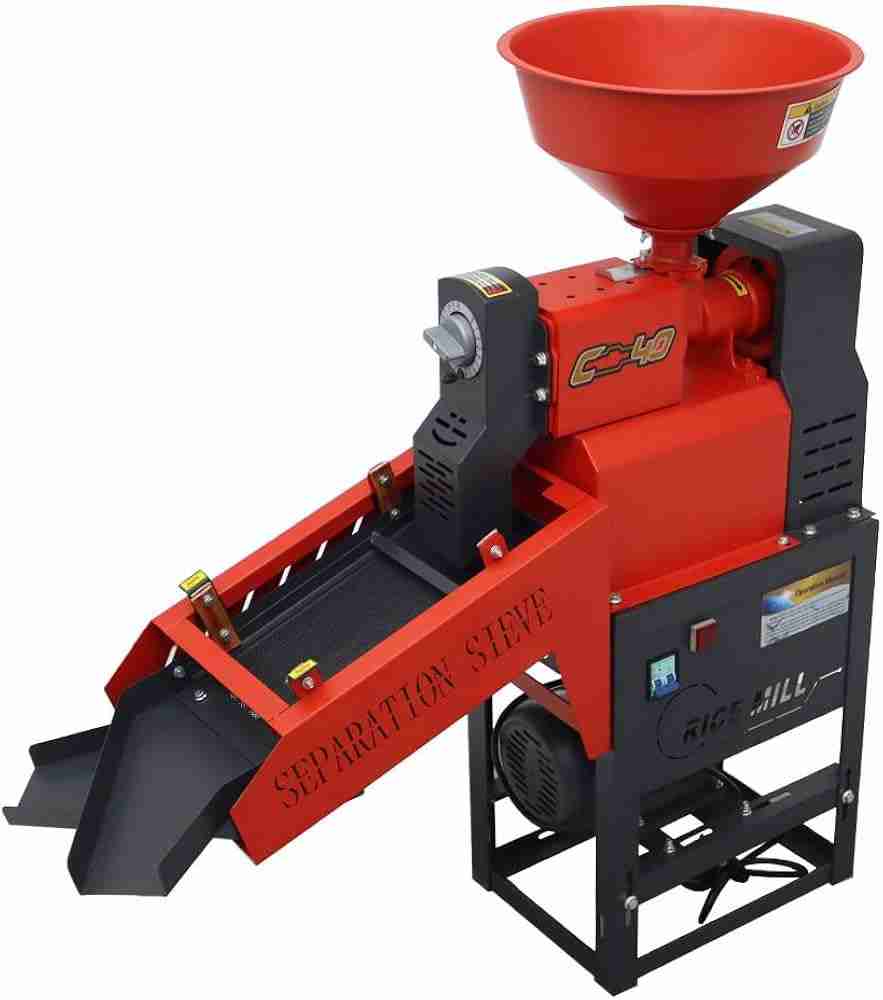
Mini rice mills have emerged as indispensable tools in modern agriculture, enhancing efficiency and promoting sustainable practices in rice production. These compact yet powerful machines facilitate the milling process, allowing farmers to obtain quality rice with minimal resources. Key characteristics of mini rice mills include:
- Space Efficiency: Designed for small-scale operations, these mills occupy little space while maximizing productivity.
- Low Energy Consumption: Utilizing advanced technologies, mini rice mills operate on reduced power, making them economical.
- Ease of Operation: User-friendly interfaces and simple controls enable even novice users to efficiently mill rice.
- Environmentally Friendly: Many models are designed to minimize waste, promoting sustainable agricultural practices.
Moreover, their versatility extends beyond just rice milling, making them suitable for various crops, thus adding value to farmers’ operations. With features like durability, flexibility in processing diverse grains, and minimal maintenance needs, they become a formidable asset in the farming landscape. A quick comparison of different mini rice mill models showcases their distinct advantages:
| Model | Processing Capacity (kg/h) | Power Requirement (HP) | Market Price ($) |
|---|---|---|---|
| Model A | 300 | 5 | 1,200 |
| Model B | 500 | 7.5 | 1,800 |
| Model C | 700 | 10 | 2,500 |
Sustainable Practices: How Mini Rice Mills Contribute to Environmental Conservation
In recent years, the agricultural sector has been shifting toward more eco-friendly methods, and mini rice mills are at the forefront of this revolution. These compact processing units not only reduce the energy required for rice milling but also minimize waste generation, playing a crucial role in environmental conservation. By utilizing locally sourced materials and employing energy-efficient technologies, mini rice mills contribute immensely to reducing carbon footprints associated with traditional milling practices. Key benefits include:
- Efficient Resource Utilization: Mini rice mills require less water and energy compared to larger mills.
- Waste Reduction: Byproducts from the milling process can be repurposed, reducing landfill contributions.
- Local Economies: Supporting local farmers and businesses, which reduces transportation emissions.
The role of mini rice mills in promoting sustainability extends beyond just their operation; they foster a culture of environmental awareness among farmers and communities. By emphasizing the importance of sustainable farming practices and aligning with local cooperatives, these mills help educate stakeholders about the benefits of ecological stewardship. The table below illustrates some sustainable practices associated with mini rice mills:
| Practice | Benefit |
|---|---|
| Use of Renewable Energy | Decreases reliance on fossil fuels. |
| Water Recycling Systems | Minimizes water wastage in the milling process. |
| Composting Waste | Enhances soil fertility and reduces waste. |
With their impactful contributions to environmental conservation, mini rice mills not only provide an efficient means of grain processing but also pave the way for a conscious approach to agricultural practices. As more communities adopt these models, the ripple effect of sustainable practices can foster healthier ecosystems while ensuring reliable food security for the future.
Maximizing Efficiency: Tips for Farmers on Utilizing Mini Rice Mills Effectively
To unlock the full potential of mini rice mills, farmers should prioritize routine maintenance and optimal operation techniques. Regular cleaning and inspection of the equipment not only prolong its lifespan but also enhance output quality. When utilizing a mini rice mill, it is essential to calibrate settings based on the grain type to minimize losses. Implementing a systematic approach to the milling process can be transformative; farmers can schedule specific times for milling to ensure consistency in production. Consider adopting the following best practices:
- Pre-Soaking Grains: Soaking rice before milling can improve the yield, as it softens the grains.
- Utilizing Proper Feed Rates: Feeding the grains slowly allows the mill to operate efficiently without overheating.
- Regular Quality Checks: Assessing the milled product ensures that it meets quality standards, helping to maintain customer satisfaction.
Farmers can also increase their milling efficiency by tailoring their approach. Combining different varieties of rice during milling, for example, can streamline the process and maximize output without sacrificing quality. Furthermore, employing a scheduling system to balance milling time with harvesting can minimize downtime. Consider the following impact when directly comparing traditional methods with mini rice mills:
| Method | Time Efficiency | Output Quality | Labor Requirement |
|---|---|---|---|
| Traditional Milling | High | Medium | High |
| Mini Rice Mill | Very High | High | Low |
By leveraging these strategies, farmers not only enhance their productivity but also empower their operations to adapt to fluctuating market demands, ensuring a profitable future in grain production.
The Conclusion
In a world where food security and sustainability are becoming increasingly important, the rise of the mini rice mill marks a pivotal moment in agricultural innovation. By allowing small-scale farmers to process grains efficiently and affordably, this versatile tool not only empowers local economies but also promotes a more resilient food supply chain. As we’ve explored, the mini rice mill is not just a piece of machinery; it is a symbol of change, bridging tradition with modern technology.
As we stand at the crossroads of agriculture and sustainability, the mini rice mill offers a glimpse into the future of grain processing—one that is more adaptable, resourceful, and inclusive. By embracing such advancements, we pave the way for communities to thrive while preserving the rich cultural heritage that grains represent. As we look ahead, it’s clear: the mini rice mill is more than just a revolution in grains; it is an invitation to rethink how we cultivate, process, and appreciate the staples that nourish us all.




