
In a world where agriculture constantly adapts to meet the demands of a fast-growing population, the importance of efficient food production has never been clearer. Among the staple crops that form the backbone of diets across the globe, rice holds a special place, nourishing millions daily. Yet, the path from paddy field to plate is often fraught with challenges, particularly in processing. Enter mini rice milling machines—innovations that are not just transforming the way grains are processed, but are revolutionizing the entire landscape of rice farming. Compact, efficient, and user-friendly, these machines are empowering small-scale farmers and entrepreneurs alike, enabling them to retain control over their production and improve their livelihoods. As we delve into the realm of mini rice milling, we explore the technology’s potent potential to reshape agricultural practices, enhance food security, and contribute to sustainable farming. Join us as we uncover the power of these machines and the ripple effects they create in the world of grains.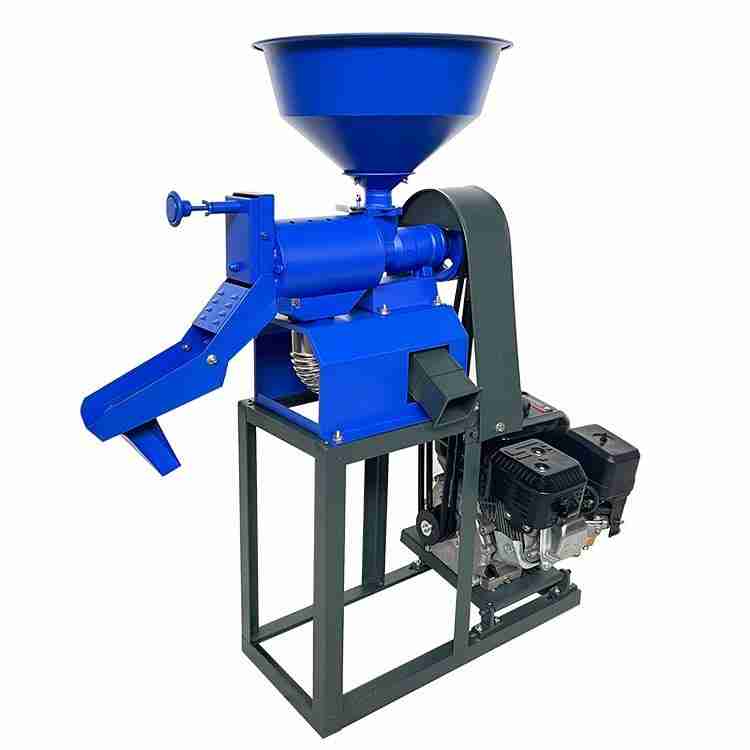
The Rise of Mini Rice Milling: A Game Changer for Small Farmers
In recent years, small-scale farmers have witnessed a transformative shift with the introduction of compact rice milling technology. These innovative machines are designed to be user-friendly, cost-effective, and efficient, allowing farmers to take control of their rice production from field to market. By processing their own rice, small farmers can maximize profits and achieve a higher quality product that meets local demands. The benefits of mini rice milling extend beyond individual farms, fostering community growth and supporting the local economy.
Moreover, mini rice milling machines are ingeniously tailored to meet the unique challenges faced by small-scale farmers. Some notable advantages include:
- Reduced Production Costs: Less reliance on external milling services decreases expenses.
- Enhanced Quality Control: Farmers can ensure their rice meets specific quality standards.
- Time Efficiency: On-site milling saves time, making it easier to respond swiftly to market demands.
- Sustainability: Low energy consumption and minimal waste contribute to eco-friendly farming practices.
| Feature | Benefit |
|---|---|
| Compact Size | Ideal for small landholdings |
| User-Friendly | Accessible to farmers without technical background |
| Durability | Long lifespan with minimal maintenance |
| Community Impact | Encourages cooperative milling and local partnerships |

Enhancing Quality and Efficiency: Benefits of Mini Milling Technology
Mini milling technology has emerged as a game-changer in the grain processing industry, particularly in rice milling. These compact machines offer significant improvements in both quality and efficiency compared to traditional milling methods. By featuring advanced milling mechanisms and precise control systems, mini rice mills ensure that grains are processed uniformly, resulting in higher-quality yields. This leads to an enhanced product that meets the evolving market demands, particularly in regions where food quality is of paramount importance.
Moreover, the use of mini milling machines streamlines operations and reduces overall processing time. Their energy-efficient designs minimize power consumption, which not only lowers operational costs but also supports sustainable practices. Facilities using mini mills can benefit from features such as:
- Compact Design: Requires less space, making it ideal for small-scale producers.
- Ease of Operation: User-friendly interfaces facilitate training and reduce the learning curve.
- Versatile Functionality: Capable of processing various grain types, spanning beyond rice.
The integration of these machines into rice processing operations can result in increased throughput and efficiency. A comparative analysis highlights the per hour output of traditional versus mini milling technologies:
| Type of Milling | Output per Hour (kg) | Energy Consumption (kWh) |
|---|---|---|
| Traditional Milling | 500 | 5.0 |
| Mini Milling | 700 | 3.5 |
This table showcases the evident advantages, with mini mills providing higher output and lower energy consumption, further highlighting their pivotal role in revolutionizing grain processing.

Sustainable Practices in Grain Processing: Eco-Friendly Innovations
As the demand for sustainable grain processing intensifies, innovators have turned their attention to mini rice milling machines, which stand at the forefront of eco-friendly advancements. These compact machines reduce the carbon footprint associated with traditional milling processes by significantly minimizing energy consumption and water usage. Key features of these machines include:
- Efficient Energy Use: Designed to operate on less energy, they utilize cutting-edge technology to streamline the milling process.
- Waste Reduction: By optimizing production, they generate less waste, making the entire process leaner and cleaner.
- Local Sourcing: These machines can often be deployed in rural areas, promoting local grain processing and reducing the need for lengthy transport routes.
Moreover, the integration of automation and smart technologies into mini rice milling leads to enhanced quality control and reduced resource requirements. This innovation not only improves the final product’s quality but mitigates the environmental impact of grain processing. A comparison table illustrates the advantages of traditional versus mini rice milling machines:
| Aspect | Traditional Milling | Mini Milling Machines |
|---|---|---|
| Energy Consumption | High | Low |
| Water Usage | High | Minimized |
| Carbon Footprint | Larger | Minimal |
| Waste Production | Significant | Reduced |
With continued innovation in this field, the potential for these mini machines to reshape grain processing is immense, propelling the industry toward a more sustainable future.
Choosing the Right Mini Rice Milling Machine: A Comprehensive Guide
When selecting a mini rice milling machine, it’s essential to consider several factors that can significantly impact your operation. Capacity is one of the foremost criteria; a machine’s output should align with your production needs. You should assess how much rice you plan to process daily, ensuring the capacity of the machine you choose fits well within those parameters. Furthermore, power consumption is crucial as it affects your operating costs over time. Look for machines that offer energy efficiency, which can lower your electricity bills and provide a sustainable solution for long-term operations. consider the build quality of the machine. Investing in durable materials and reliable construction will ensure longevity and reduce the need for frequent repairs or part replacements.
Additionally, functionality plays a pivotal role in your decision-making process. Modern mini rice milling machines often come equipped with advanced features that enhance usability. For instance, automatic feeding mechanisms and adjustable milling settings can streamline your workflow, making operation more user-friendly. It’s also wise to explore the availability of after-sales service and spare parts. A dependable supplier or manufacturer who offers quick support and easy access to components can save you from prolonged downtimes. an ideal machine should balance efficiency, durability, and support to empower your rice processing activities to new heights.
The Conclusion
As we step into an era where innovation meets tradition, mini rice milling machines stand at the forefront of transforming the grain industry. Their compact design and efficient functionality not only empower small-scale farmers but also contribute to sustainable practices that resonate across communities. By harnessing the power of these machines, we are not just refining grains; we are revolutionizing livelihoods and fostering food security.
The journey of grains from paddy to plate becomes more accessible, igniting opportunities for growth and economic resilience. As we continue to explore these advancements, it’s essential to recognize the potential they hold not only for individual farmers but for entire regions striving for self-sufficiency.
mini rice milling machines are more than just tools; they are catalysts for change, bridging the gap between technology and agriculture. The future of grain processing is here, and it promises a richer, more sustainable landscape for all involved. As we embrace these innovations, we invite you to consider the profound impact they can have—on our plates, in our communities, and across the globe.




