
In the heart of agricultural innovation, a new chapter is unfolding in the rice milling industry. The emergence of mini combine rice mills represents a transformative shift, blending traditional practices with modern technology to meet the demands of a growing world. As farmers grapple with the challenges of efficiency and sustainability, these compact machines are stepping into the spotlight, offering a solution that promises to reshape both production and livelihoods. The rise of mini combine rice mills is not just a trend; it’s a revolution that bridges the gap between longstanding farming heritage and the pressing need for progress. In this article, we delve into the evolution of these ingenious machines, exploring their impact on the landscape of grain processing and the communities that rely on this staple crop for survival and prosperity.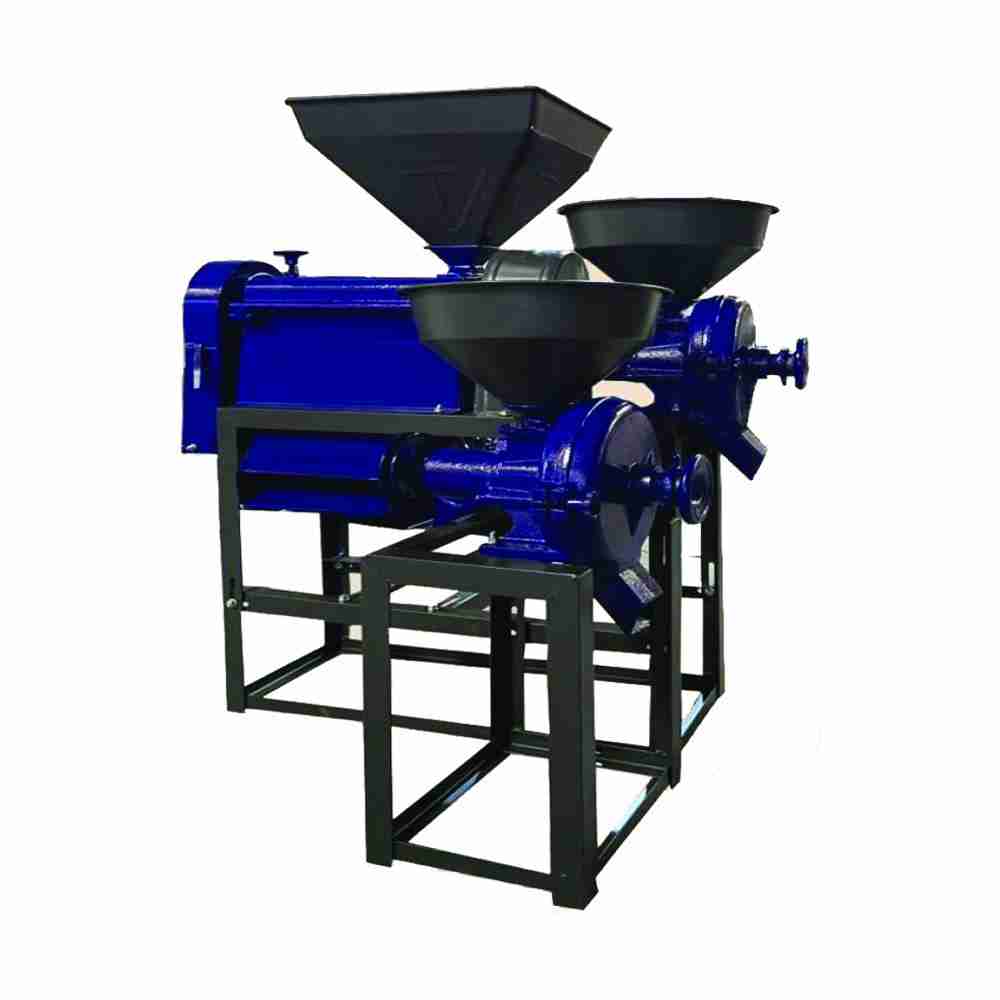
Exploring the Benefits of Mini Combine Rice Mills for Smallholder Farmers
Mini combine rice mills are transforming the agricultural landscape for smallholder farmers, providing a myriad of advantages that were once the key to survival and prosperity in the rice farming sector. These compact machines combine multiple operations—including cutting, threshing, and milling—into one efficient process, which not only saves time but also reduces labor costs. By streamlining the post-harvest process, farmers can significantly lower the risk of spoilage and loss, allowing them to maximize their yield and improve their overall income. Key benefits include:
- Enhanced Efficiency: The all-in-one functionality quickly processes rice, minimizing the time from harvest to market.
- Cost-Effectiveness: Smaller initial investment compared to traditional larger mills makes it economically viable.
- Accessibility: With mobility features, these mills can be easily transported to various locations, making them ideal for smallholders.
- Improved Quality: Refined milling techniques enhance the quality of the rice produced, ensuring better market prices.
In addition to operational efficiency, mini combine rice mills empower farmers with greater control over their production. Farmers can mill their produced rice at optimal times, adjust processing techniques based on current market trends, and potentially engage in value-added activities such as packaging and branding. To illustrate the impact of these mills, consider the following comparison of traditional milling vs. mini combine milling:
| Aspect | Traditional Milling | Mini Combine Milling |
|---|---|---|
| Time to Mill | Up to 1 day | Within hours |
| Labor Required | 5-10 workers | 1-2 operators |
| Cost per Ton | Higher operational costs | Lower operational costs |
This shift not only helps smallholder farmers achieve greater economic stability but also contributes to food security by ensuring that more rice makes it to the consumers in a timely and efficient manner. The rise of mini combine rice mills represents a step towards modernization in agriculture, heralding a future where smallholders can thrive in a competitive market.

Innovative Technology Driving Efficiency and Sustainability in Grain Processing
As the agricultural industry continues to evolve, innovations such as mini combine rice mills are spearheading a transformation that enhances both efficiency and ecological sustainability. By integrating advanced technologies such as smart sensors and automation systems, these compact machines streamline the grain processing workflow. This technological evolution minimizes the manual labor traditionally required in harvesting and milling, allowing farmers to allocate their resources more effectively. With their smaller footprint, mini combine rice mills also reduce energy consumption and can be powered by renewable sources, aligning perfectly with the growing emphasis on reducing carbon emissions in agriculture.
The efficiency gains are evident not only in the processing time but also in the quality of the final product. Employing precision engineering allows these mills to achieve higher extraction rates, ensuring that more of the grain’s nutrients are preserved, which is beneficial for both producers and consumers. Key features include:
- Multi-functional capabilities: These machines can thresh, clean, and package rice, eliminating the need for multiple pieces of equipment.
- Reduced waste: Advanced technologies help optimize grain recovery, minimizing loss during processing.
- Compact design: Ideal for small to medium-sized farms, making them accessible for a broader range of producers.
In addition to technological advancements, strategic partnerships and investments in research are vital to the widespread adoption of these innovations. By fostering collaboration between farmers, tech companies, and agricultural experts, the shift towards sustainable grain processing can be accelerated. An example of this collaboration can be seen in the following table:
| Partnership Type | Benefit |
|---|---|
| Farmers + Tech Companies | Access to cutting-edge technology |
| Research Institutions + Producers | Improved milling practices |
| Government + Agricultural Startups | Funding for sustainable initiatives |
As this revolution continues, it will pave the way for a future where grain processing is not only more efficient but also contributes positively to the environment and local economies.
Addressing Challenges: Maintenance and Support for Mini Combine Rice Mills
Maintaining mini combine rice mills is crucial for ensuring their longevity and efficiency. Regular upkeep not only minimizes downtime but also enhances the machinery’s overall productivity. Farmers and operators should prioritize a routine maintenance schedule that includes:
- Daily Inspections: Check for any unusual sounds or vibrations that may indicate underlying issues.
- Lubrication: Properly lubricate moving parts to prevent wear and tear.
- Cleaning: Remove dust and debris from key components to avoid blockages and overheating.
- Calibration: Regularly calibrate settings to optimize performance and grain quality.
Support services play an equally important role in enhancing the functionality of mini combine rice mills. Access to dedicated support can help operators troubleshoot issues effectively and maintain peak performance. Key aspects of support include:
- Technical Assistance: Offer remote or on-site support for machinery malfunctions.
- Spare Parts Availability: Ensure that essential spare parts are readily available to reduce repair times.
- Training Programs: Provide training for operators on best practices for machine use and maintenance.
| Maintenance Activity | Frequency | Purpose |
|---|---|---|
| Inspection | Daily | Identify issues early on |
| Lubrication | Weekly | Reduce friction and wear |
| Cleaning | Weekly | Prevent overheating |
| Calibration | Monthly | Optimize performance |
The Future of Agriculture: Micro-Millings Role in Food Security and Economic Growth
The agricultural landscape is undergoing a remarkable transformation as micro-milling technology emerges as a game-changer for food security and economic development. Mini combine rice mills, which integrate harvesting, threshing, and milling processes, enable smallholder farmers to increase efficiency and reduce post-harvest losses significantly. This innovation not only maximizes grain yield but also empowers local communities by creating job opportunities and fostering entrepreneurship. As more farmers adopt this technology, we can anticipate a ripple effect that enhances the entire supply chain and ultimately improves the availability of staple foods in local markets.
Moreover, the affordability and accessibility of mini combine rice mills democratize access to modern agricultural tools. These compact machines are designed to meet the needs of smaller farms, allowing producers in developing regions to compete on a global scale. The benefits extend beyond individual farmers, as the increased productivity contributes to regional economic resilience. By alleviating food scarcity and generating income through added value, micro-milling becomes a vital part of sustainable agricultural practices that enhance both food security and national economies. Some key benefits include:
- Increased Efficiency: Streamlined processes reduce labor and time costs.
- Enhanced Food Security: Less waste leads to more available food for communities.
- Economic Opportunities: Creates jobs in both farming and milling sectors.
To Wrap It Up
As we stand on the precipice of a new era in agricultural innovation, the emergence of mini combine rice mills marks a significant turning point in how we cultivate and process one of the world’s most essential staple foods. These compact powerhouses are not just reshaping the landscape of rice production; they are empowering small-scale farmers, enhancing efficiency, and fostering sustainability in environments where resources are often limited.
The rise of mini combine rice mills promises not just to revolutionize grain processing but also to contribute to a larger narrative of economic resilience and food security. By adopting these technological advancements, communities can unlock new pathways to prosperity while minimizing environmental footprints.
As we look to the future, the impact of these machines will undoubtedly ripple through the agricultural sector, challenging traditional methods and inviting new stakeholders to the table. The fusion of technology with age-old practices can lead to a more equitable food system—one that honors both heritage and innovation.
Ultimately, the journey of mini combine rice mills is just beginning, and as they gain traction, we may witness a profound transformation that could elevate livelihoods and ensure that the hum of progress is heard across paddy fields worldwide. It’s a hopeful reminder that with every revolution, form and function can align harmoniously—cultivating growth for both people and the planet.




