
In the heart of agricultural innovation, a quiet revolution is unfolding—a transformation that promises to redefine the landscape of grain processing. As the demand for rice continues to rise alongside global population growth, traditional milling methods may soon be outpaced by a new contender: the mini rice milling machine. These compact, efficient marvels are not only streamlining the milling process but also empowering small farmers and local communities to take control of their rice production. In this article, we’ll explore how mini rice milling machines are reshaping the grain industry by enhancing efficiency, reducing waste, and fostering economic growth, all while preserving the quality and flavor of one of the world’s staple foods. Join us as we delve into the mechanics and benefits of this technological advancement, and discover how it stands to revolutionize grain milling for generations to come.
Transforming Traditional Practices through Mini Rice Milling Machines
The advent of mini rice milling machines has breathed new life into traditional grain processing practices, enabling small-scale farmers to enhance their productivity without compromising quality. These compact machines are designed to streamline the milling process, thus providing a sustainable alternative to outdated techniques. By incorporating modern technology, these machines not only reduce the time required for milling but also ensure a higher yield of polished rice, effectively transforming the economic landscape for local farmers. Key features of these efficient machines include:
- Compact Design: Easy to transport and operate in various locations.
- Energy Efficiency: Consumes less power compared to larger milling machines.
- Minimal Labor Requirements: Requires fewer hands for operation, cutting down on overhead costs.
Moreover, the integration of mini rice milling machines facilitates better engagement with local communities, promoting more engaged agricultural practices. Farmers can gain access to modern milling technologies, leading to not only improved quality but also an expansion of market reach. The ability to produce smaller batches allows for customized milling, meeting diverse consumer preferences. A comparison of traditional versus modern milling methods highlights these innovations:
| Aspect | Traditional Milling | Mini Rice Milling Machines |
|---|---|---|
| Processing Time | Hours to Days | Minutes |
| Output Quality | Inconsistent | High Quality |
| Production Volume | Limited | Scalable |
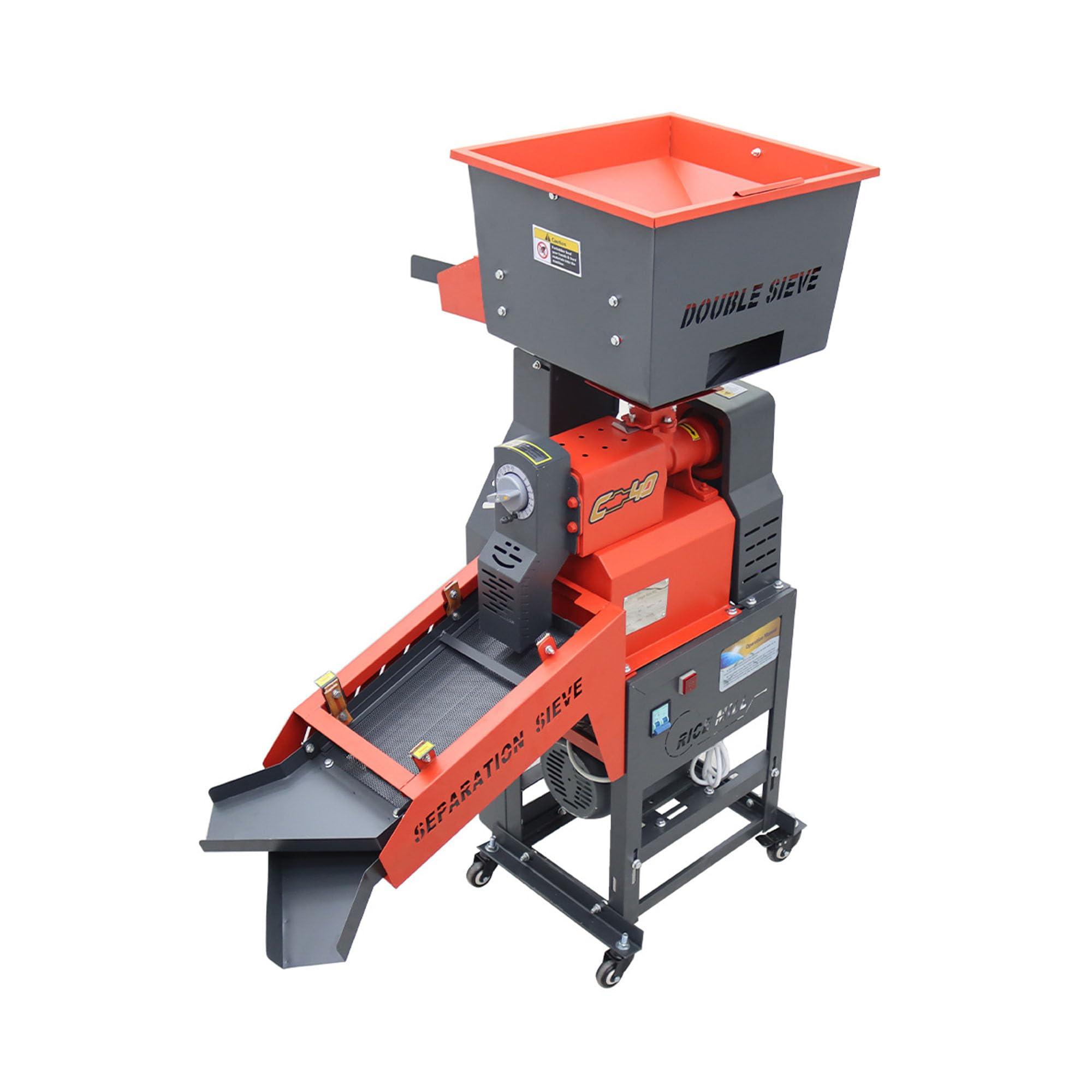
Unleashing Efficiency: How Mini Rice Milling Machines Improve Productivity
The introduction of mini rice milling machines has transformed the way small-scale farmers and rice millers operate, offering unprecedented levels of productivity. With their compact design, these machines not only occupy less space but also provide the ability to process rice more quickly and efficiently than traditional mills. By utilizing advanced milling technology, these machines can achieve a high degree of precision in removing husks and polishing rice, ensuring a higher quality end product. Key benefits of these innovations include:
- Reduced Labor Costs: Automation minimizes the need for manual labor, allowing operators to focus on other important tasks.
- Energy Efficiency: Lower power consumption leads to decreased operational costs.
- Versatility: Capable of processing various types of grains, making them useful for diverse agricultural settings.
- Quick Setup: Easy installation and operation, enabling farmers to start milling immediately.
Furthermore, mini rice milling machines deliver reliability and consistency, resulting in a significant reduction in milling time. Because they are designed for both efficiency and ease of use, these machines can be operated with minimal training, making them accessible to a broader audience. To illustrate the productivity improvements, consider the following table comparing traditional milling operations with the capabilities of mini rice milling machines:
| Feature | Traditional Milling | Mini Rice Milling Machines |
|---|---|---|
| Milling Time for 1 Ton | 8-12 hours | 2-4 hours |
| Power Consumption | 5-10 kW | 1-2 kW |
| Labor Required | 5-7 workers | 1-2 workers |
| Output Quality | Variable | Consistently high |
This comparison highlights how mini rice milling machines not only enhance productivity but also improve the overall quality of the rice produced, underscoring their pivotal role in modern grain processing. As these machines continue to gain popularity among farmers and mill operators, their impact on the agricultural economy is poised to be significant, driving efficiency and sustainability in rice production.
Cost-Effectiveness and Sustainability in Small-Scale Rice Processing
The paradigm shift in rice processing technology has led to the emergence of mini rice milling machines that significantly enhance cost-effectiveness while supporting sustainable practices. By reducing the scale of processing, these machines can cater to local needs without the heavy financial burden often associated with large-scale mills. Farmers can save on transportation costs, as their newly harvested grains can be milled on-site, leading to fresher products and less spoilage. Additionally, mini rice mills consume less energy, resulting in lower operational costs and a reduced carbon footprint. This remarkable efficiency not only bolsters the profitability of smallholder farmers but also transforms their productivity landscape.
Moreover, sustainability is at the core of mini rice milling systems. By utilizing eco-friendly practices, such as integrating biomass waste into energy production, these machines promote resource circularity. Key aspects include:
- Reduced Waste: Minimal by-products ensure that more rice can be produced from each batch.
- Efficient Resource Use: Less water and energy are consumed compared to traditional methods.
- Local Economic Growth: Encourages community-owned processing facilities and job creation.
To illustrate the cost savings associated with these advancements, consider the following table outlining key operational comparisons:
| Feature | Traditional Mill | mini rice mill |
|---|---|---|
| Initial Investment | High | Low |
| Energy Consumption | High | Low |
| Operational Cost per Ton | $150 | $80 |
Navigating the Future: Best Practices for Implementing Mini Milling Technologies
As the landscape of agricultural technology evolves, incorporating mini milling technologies not only enhances productivity but also streamlines operations in grain processing. Implementing these tools necessitates a well-structured approach, focused on flexibility and adaptability to meet varying demands. Collaborating with stakeholders is key; by engaging farmers, suppliers, and technology providers, you can tailor solutions that fit the specific needs of your community. Consider establishing training programs to ensure users are proficient with the machinery, enhancing the overall output quality and efficiency of milling operations.
Monitoring and regularly assessing the performance of mini milling machines can lead to significant improvements. Utilize a simple tracking system to evaluate throughput, energy consumption, and maintenance needs. A data-driven approach not only aids in identifying areas for efficiency gains but also supports decision-making for future investments. Here are some essential factors to keep in mind:
- Regular Maintenance: Schedule maintenance checks to ensure machines operate optimally.
- Energy Efficiency: Choose machines that offer low-energy operation without compromising output.
- User Training: Invest in comprehensive training for machine operators to minimize operational errors.
- Feedback Loop: Create channels for operators to provide feedback on machinery performance.
Moreover, a focus on sustainability should guide the integration of new technologies. Implementing eco-friendly practices not only improves brand image but also addresses various environmental concerns associated with milling operations. Consider adopting a circular economy model where the byproducts of milling are recycled or repurposed, which can potentially reduce waste and enhance profitability. An investment in mini milling technologies, alongside these best practices, can position your operation at the forefront of modern agricultural advancements.
Wrapping Up
As we stand at the crossroads of technological advancement and agricultural sustainability, mini rice milling machines emerge as a beacon of innovation in the grain industry. Their compact design, coupled with unparalleled efficiency, not only streamlines production but also empowers small-scale farmers to elevate their practices and economic standing.
While the world grapples with the challenges of food security and environmental conservation, embracing such technological solutions could prove pivotal. It’s evident that the future of grain milling hinges on the adoption of tools that cater to efficiency, sustainability, and accessibility. As we look ahead, the evolution of these machines will undoubtedly shape the narratives of farming communities, transforming how we cultivate, process, and enjoy one of the world’s staple foods.
In the ever-evolving landscape of agriculture, the revolution is here—small in size, but monumental in impact. Are you ready to join in this transformative journey?




