
In a world where food sustainability and efficiency are becoming increasingly paramount, the tools we use to prepare our staples are evolving at an unprecedented pace. Gone are the days when grain milling was a labor-intensive task dominated by large, industrial machinery. Enter the era of mini rice milling machines, compact wonders that are reshaping the way we approach grain preparation. These innovative devices are not only enhancing the accessibility of freshly milled rice but are also paving the way for small-scale farmers and entrepreneurs to thrive. As we delve into the rise of these revolutionary machines, we will explore their impact on local economies, culinary practices, and our collective approach to food production, highlighting how a small change in technology can catalyze significant shifts in the agricultural landscape. Join us on this journey to uncover the transformative potential that lies within the humble yet powerful mini rice milling machine.
Emerging Technologies in Mini Rice Milling Machines
The recent advancements in mini rice milling technology are transforming the grain processing landscape, making it more efficient and accessible for small-scale farmers and entrepreneurs alike. Automated milling processes, now integrated into these compact machines, reduce human labor while improving the overall output and quality of processed rice. Features like sensor-driven adjustments allow for real-time monitoring and control, ensuring that the milling parameters are optimized for different rice varieties. This not only enhances the texture and flavor of the rice but also minimizes waste, allowing for maximum yield from each harvest.
Moreover, the incorporation of solar-powered options is a game-changer for rural communities that often lack reliable electricity sources. By harnessing renewable energy, these machines open up new avenues for grain processing, empowering farmers in remote areas to mill rice on-site without incurring substantial operational costs. Additionally, manufacturers are focusing on compact designs that are easy to transport and operate, fostering a new era of sustainability and self-sufficiency in rice production. As these technologies continue to evolve, we can expect to see a significant reduction in the carbon footprint associated with rice milling, benefitting both producers and consumers alike.
| Feature | Benefit |
|---|---|
| Automated milling processes | Reduced labor and improved efficiency |
| Sensor-driven adjustments | Real-time monitoring for optimal results |
| Solar-powered options | Energy efficiency and cost reduction |
| Compact designs | Enhances mobility and usability |

Efficient Grain Processing: Benefits and Breakthroughs
The evolution of grain processing technology has transformed how farmers and processors approach their work. One standout innovation is the emergence of mini rice milling machines, which offer compactness and efficiency without sacrificing quality. These machines are not only easier to operate but also significantly reduce the energy consumption associated with traditional milling methods. As a result, smallholder farmers can now compete on a larger scale, ensuring that high-quality rice reaches consumers while maximizing their profit margins.
In addition to their efficiency, mini rice milling machines provide versatility and ease of maintenance. Here are some of the notable benefits that contribute to their growing popularity:
- Space-saving design: Ideal for small operations or limited facilities
- Cost-effectiveness: Lower initial investment compared to larger machines
- Improved rice quality: Reduces broken grains and enhances overall product yield
- User-friendly operation: Simplifies the milling process for people with varying skill levels
| Feature | Benefit |
|---|---|
| Size | Compact and portable |
| Efficiency | Reduces processing time |
| Energy Consumption | Lower costs and environmental impact |
| Maintenance | Easier upkeep and repairs |
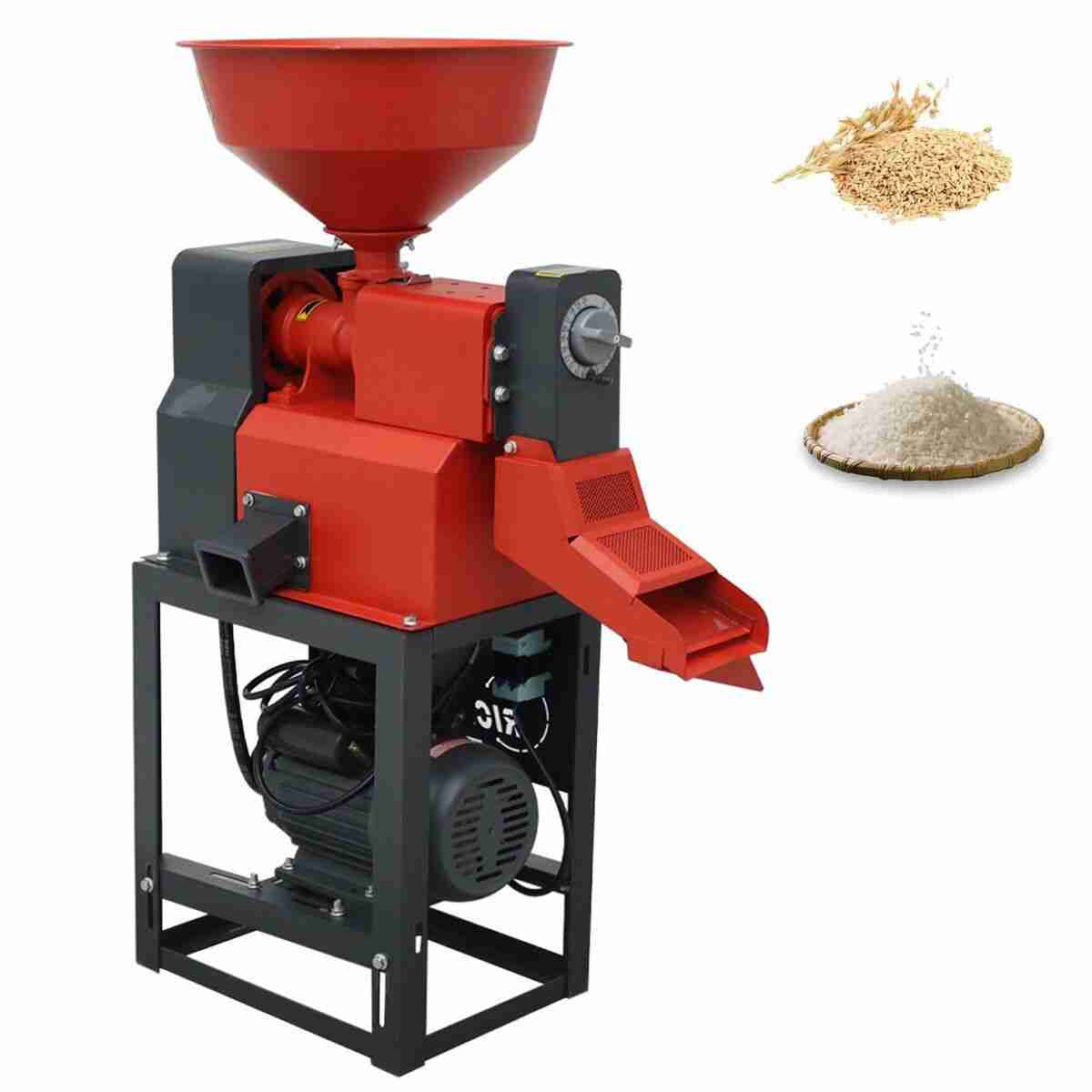
Choosing the Right mini rice mill for Your Needs
When selecting a mini rice mill, understanding your specific requirements is vital to making the right choice. First, consider the capacity of the machine, as this determines how much raw rice can be processed at one time. If you’re a small-scale farmer or starting a local milling business, a capacity of 100-300 kg per hour might be ideal. Additionally, pay attention to energy efficiency to reduce operating costs, and opt for those that are designed with low power consumption in mind. Other critical factors to think about include size and portability, especially if you need to transport the mill to various locations.
Moreover, assess the features and functionalities offered by different models. Look for machines that include a husk removal system, which assists in separating the rice husk from the grain, ensuring higher quality output. Furthermore, many mini mills come equipped with additional attachments for various grain types, making them more versatile. Here’s a quick comparison table to help you visualize what’s available:
| Model | Capacity (kg/h) | Power (kW) | Portability |
|---|---|---|---|
| Model A | 200 | 2.2 | Portable |
| Model B | 300 | 3.0 | Stationary |
| Model C | 150 | 1.5 | Compact |
Your investment in the right mini rice mill will not only enhance your grain processing efficiency but also contribute to the overarching goal of elevating the agricultural sector. Always ensure you check customer reviews and perform rigorous research to connect with a model that aligns closely with your operational goals.
Future Trends in Mini Milling and Sustainable Agriculture
The integration of mini milling technology into sustainable agriculture practices is set to transform the landscape of grain preparation. As agricultural communities become increasingly aware of their ecological footprint, mini rice milling machines offer a practical, efficient solution that addresses both productivity and sustainability. These compact units not only require less energy to operate but also minimize the waste produced during the milling process, leading to a more eco-friendly approach to grain handling. As farmers seek to adopt greener practices, the demand for such machinery is expected to rise, with potential for innovations in design and functionality that could further reduce resource consumption.
Looking ahead, new technologies are likely to enhance the capabilities of mini milling systems, aligning with the core principles of circular agriculture. Manufacturers are experimenting with advancements such as:
- Smart technology integration: Incorporating IoT sensors for real-time monitoring and optimization.
- Solar-powered options: Developing machines that leverage renewable energy sources.
- Recyclable materials: Utilizing sustainable materials in the construction of milling machines to lower environmental impact.
This evolution not only presents farmers with more environmentally friendly choices but also fosters a sense of community empowerment, as these machines can be operated and maintained locally, reducing reliance on large-scale operations. The future of grain preparation, driven by mini milling technology, holds promise for both enhanced efficiency and sustainability in the agricultural sector.
Closing Remarks
As we stand on the cusp of a new era in grain preparation, the rise of mini rice milling machines marks a significant shift in how we approach food production and processing. These compact, efficient devices are not merely innovations; they symbolize a movement towards accessibility, sustainability, and quality in our food systems. By empowering small-scale farmers and home cooks alike, mini milling machines democratize the art of rice preparation, ensuring that fresh, high-quality grains are within everyone’s reach.
The journey doesn’t end here. As technology continues to evolve and integrate into traditional practices, we can anticipate even greater advancements that will further optimize grain milling processes. Embracing these changes could lead to enhanced food security, diminished waste, and a renewed appreciation for the grains that nourish us.
In this rapidly changing landscape, it is crucial for stakeholders across the agricultural spectrum to stay informed and adaptable. The path to revolutionizing grain prep is paved with potential, and the seeds of innovation are already taking root. As we look to the future, let us remain committed to leveraging technology in ways that honor tradition and foster prosperity for all. The revolution has begun; let’s cultivate it together.




