
In the ever-evolving landscape of food production, a quiet revolution is taking place at the grassroots level—where innovation meets tradition. Enter the world of mini rice milling machines, the unsung heroes that are transforming how we process one of the globe’s staple grains. As urbanization and changing consumer preferences fuel a shift in agricultural practices, these compact marvels are making waves in both rural and urban settings. No longer confined to large-scale operations, mini rice milling machines are democratizing the milling process, empowering small farmers and entrepreneurs to produce high-quality rice with efficiency and precision. In this article, we’ll delve into the rise of these miniature powerhouses, exploring how they are reinvigorating the grain industry, supporting local economies, and, ultimately, revamping the way we think about rice milling in the modern world. Join us as we uncover the impact of this innovative technology, and investigate the potential it holds for the future of food production.
The Evolution of Rice Milling Technology
The transformation of rice milling technology has been a remarkable journey, evolving from labor-intensive processes to advanced automated systems that significantly enhance efficiency and quality. Traditional milling methods often relied on manual labor, where rice husking and polishing depended heavily on human effort. As societies progressed, the adoption of mechanical milling machines emerged in the early 20th century, introducing steam and electricity to power these essential tools. This marked a pivotal shift, allowing larger volumes of rice to be processed more swiftly, thus meeting the growing demand of a burgeoning population.
Today, the advent of mini rice milling machines represents a new wave in this evolution. These compact and versatile devices cater to small-scale farmers and local millers, providing an affordable solution for processing rice with minimal energy consumption. Key features include:
- Space Efficiency: Designed for small operations, mini machines fit easily in limited spaces.
- Cost-Effectiveness: Accessibility of technology allows even the smallest producers to mill rice economically.
- Quality Output: Advanced mechanics ensure better grain quality and reduced breakage.
This evolution is not just a technological advancement; it represents a shift towards sustainability in agriculture. By enabling smaller enterprises to thrive, communities can maintain local food supplies while reducing dependence on large industrial mills. Consider the following comparison of traditional versus mini rice milling systems:
| Feature | Traditional Milling | Mini Rice Milling |
|---|---|---|
| Energy Consumption | High | Low |
| Space Requirement | Large | Compact |
| Cost of Investment | High Initial Setup | Affordable |
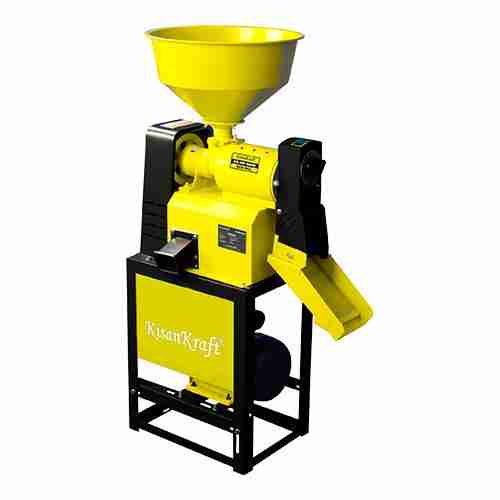
Benefits of Mini Rice Milling Machines for Small-Scale Farmers
Mini rice milling machines have become indispensable tools for small-scale farmers seeking to enhance production and efficiency. These compact marvels allow farmers to mill their rice on-site, significantly reducing dependence on large-scale mills that often charge exorbitant fees. By processing their grains right after harvest, farmers can preserve quality and flavor while also controlling the milling process. This results in fresher products that appeal to local markets, enabling farmers to command better prices for their rice.
One of the standout advantages of mini rice milling machines is their affordability and ease of use. Designed with small-scale operations in mind, these machines are typically less expensive and require minimal maintenance compared to larger counterparts. Moreover, they are engineered to be user-friendly, ensuring that even those with limited technical knowledge can operate them with ease. The benefits include:
- Cost Efficiency: Lower initial investment and no transport costs.
- Time Savings: Instant processing reduces waiting time.
- Flexibility: Ability to mill rice in different conditions and market demands.
Furthermore, the adoption of mini rice milling machines can have a positive ripple effect on local economies. By empowering small-scale farmers, these machines promote self-sufficiency, encouraging entrepreneurial spirit within farming communities. Farmers can diversify their products by milling various types of grains, maximizing their income potential. As a result, local markets become more vibrant and resilient, fostering a healthier agricultural ecosystem.
Selecting the Right mini rice mill for Your Needs
Choosing a mini rice mill tailored to your specific requirements can significantly enhance your rice production experience. With several brands and models flooding the market, it’s essential to consider a few key aspects before making a purchase. First, assess your production capacity; think about how much rice you need to mill daily and opt for a model that fits your volume requirements. Additionally, consider the type of grain you’ll be milling; different mills have varying abilities to handle white rice, brown rice, or even specialty grains. Other factors to keep in mind include noise levels, ease of cleaning, and energy efficiency. By taking these aspects into account, you can ensure you invest in a mill that not only meets your operational needs but also fits comfortably within your workspace.
Furthermore, it’s beneficial to explore the features of various mini rice mills. Look for models that offer versatility, allowing you to switch between milling different types of grains or even processing other agricultural products. Durability is also a critical factor; select a mill crafted from high-quality materials that can withstand frequent use over time. Consider examining the following features:
- Maintenance needs: Easy-to-service parts can save time and costs.
- Automation options: More automated machines can reduce labor costs.
- Portability: If space is limited, a compact model can make a real difference.
- Warranty and customer support: Good after-sales service is crucial for troubleshooting and repairs.
Future Prospects and Innovations in Grain Processing
As the global demand for convenience and sustainability continues to rise, the future of grain processing, particularly with innovations like mini rice milling machines, presents a vibrant landscape for smaller producers. These compact systems are reshaping the milling process, offering advantages that traditional machinery often can’t match. Key benefits include:
- Space Efficiency: They require significantly less space, making them ideal for small-scale operations or home-based entrepreneurs.
- Cost-Effectiveness: Lower initial investment and operational costs make them accessible to a broader demographic.
- Energy Efficiency: Many models utilize eco-friendly technologies, reducing energy consumption and carbon footprint.
- Productivity: Advanced automation and precision engineering enhance productivity without compromising quality.
Moreover, the integration of smart technology in these machines heralds a new era in grain processing. Features such as real-time monitoring, automated adjustments, and mobile connectivity are poised to revolutionize how millers operate. The development of smart analytics not only allows for precise control over the milling process but also aids in predicting maintenance needs and optimizing performance. A table below illustrates some of the groundbreaking features that are becoming industry standards:
| Feature | Description |
|---|---|
| Smart Sensors | Monitor quality parameters in real-time. |
| Mobile App Connectivity | Remote control and data access via smartphone. |
| Automated Quality Control | Ensures consistent end product quality with minimal human intervention. |
Key Takeaways
As we stand at the crossroads of agricultural innovation and sustainable practices, the rise of mini rice milling machines marks a pivotal moment in the grain industry. These compact powerhouses not only democratize rice processing but also empower small-scale farmers to reclaim control over their produce, fostering local economies and reducing reliance on large industrial operations.
In a world where food security and sustainability are paramount, these machines represent more than just a technological advancement; they symbolize a shift towards resilience and versatility in the agricultural sector. As we embrace the potential of mini milling, we usher in a new era of opportunity—one where the bounty of our fields can be directly translated into nourishment for our communities.
The journey of revamping grains is just beginning. With thoughtful implementation and support for innovative solutions, we can ensure that the future of rice milling is not only efficient and accessible but also deeply rooted in the ethos of sustainability and community empowerment. As we look ahead, the small yet mighty mini rice milling machines are poised to play a significant role in reshaping the grain landscape, one polished kernel at a time.




