
In the verdant landscapes of rural Asia, where stretches of golden rice fields sway gently in the breeze, a quiet revolution is underway. The burgeoning demand for sustainable agricultural practices, coupled with the need for increased productivity, has given rise to an innovative solution: mini rice mills. These compact machines are not mere tools; they symbolize a shift towards greater harvesting efficiency and an enhanced livelihood for farmers. As the agricultural sector grapples with challenges such as labor shortages and fluctuating market prices, mini rice mills emerge as beacons of hope—transforming the traditional, cumbersome milling process into a streamlined operation that empowers small-scale producers. In this article, we delve into the rise of mini rice mills, exploring their impact on local economies, their role in fostering sustainability, and the future they promise for rice production around the world.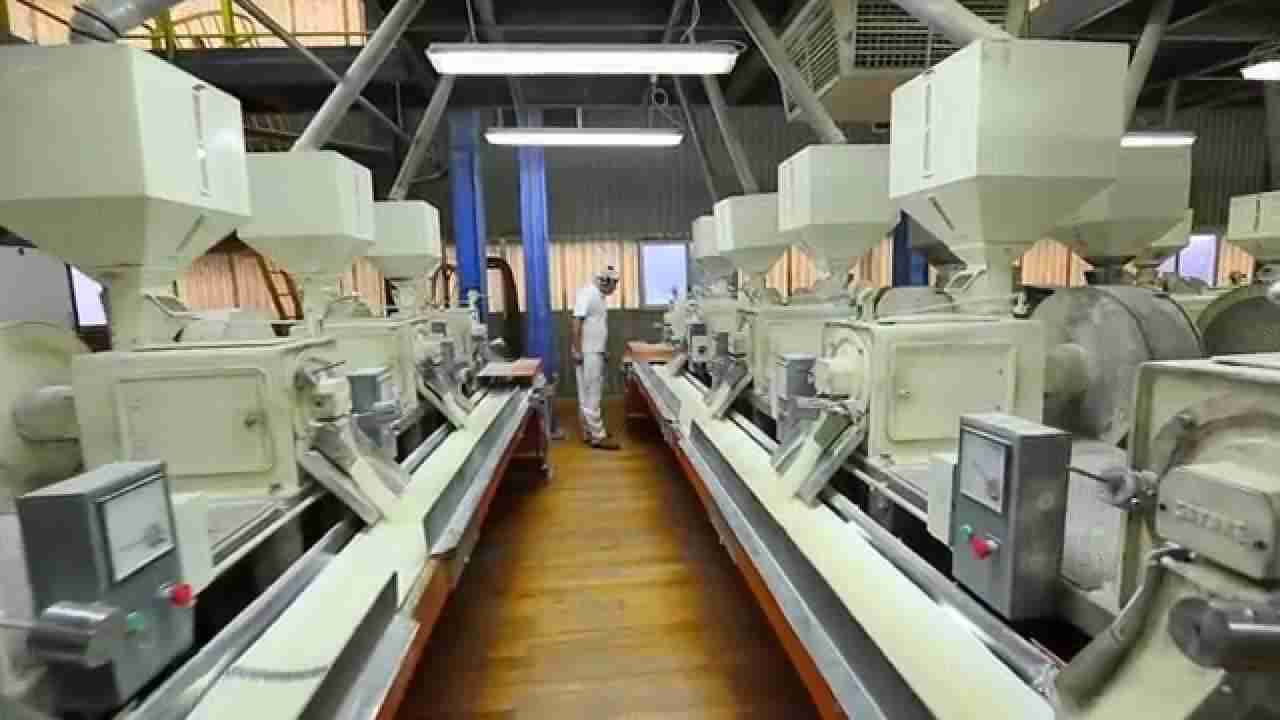
The Evolution of Rice Milling Technology and Its Impact on Productivity
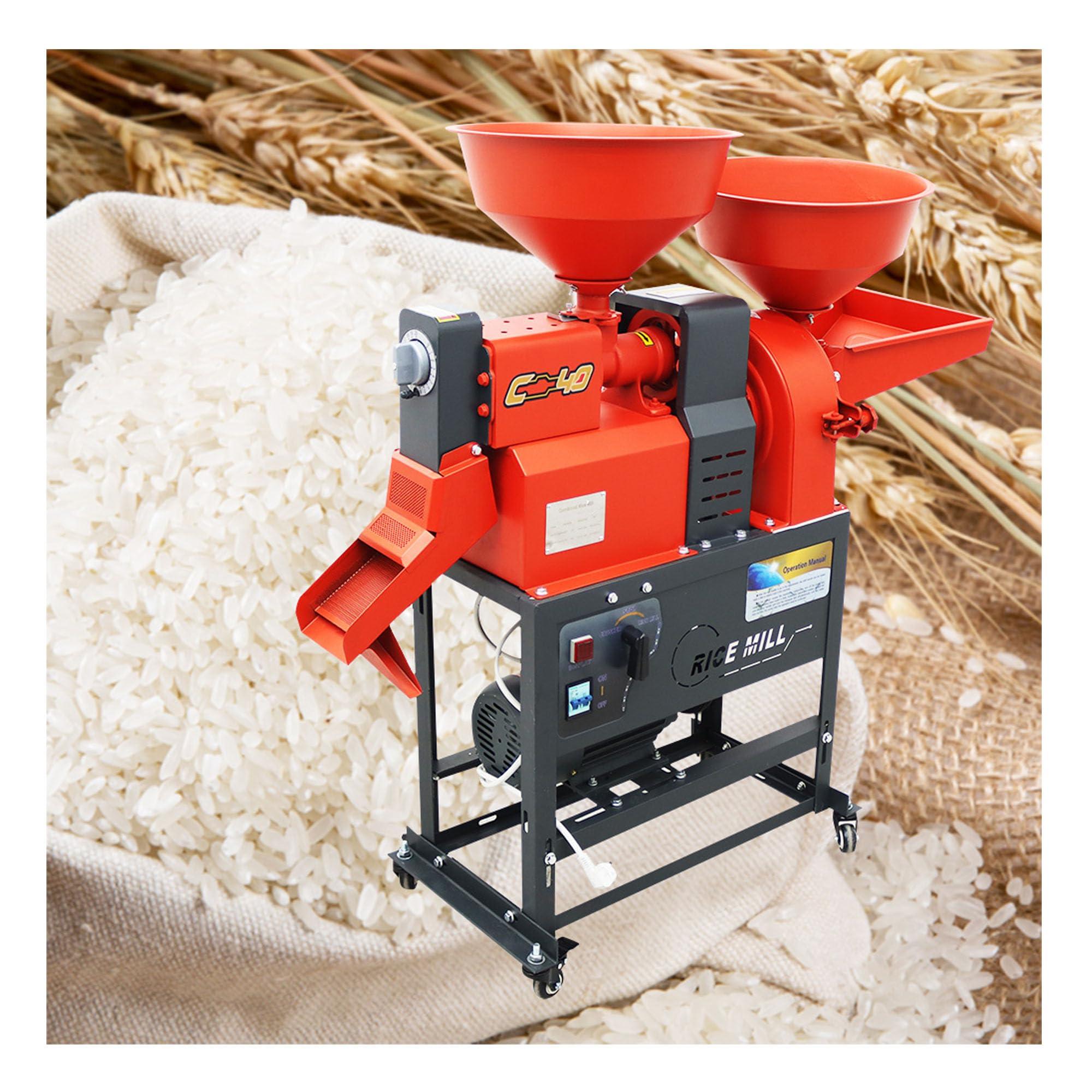
The evolution of rice milling technology has been marked by a series of significant innovations that have transformed the industry into a powerhouse of productivity. Mini rice mills, in particular, have emerged as a game-changer, allowing smallholder farmers to process their grain with remarkable efficiency and minimal investment. These compact machines come equipped with advanced features that streamline the milling process, reducing the time taken to convert paddy into market-ready rice. The resulting advantages include not only enhanced quality of the end product but also increased profit margins for farmers who can now take charge of their milling operations.
Today’s mini rice mills showcase a blend of traditional techniques and cutting-edge technology, often including components like automated controls, husk removal systems, and polishing units that enhance yield rates. Notably, this technology democratizes rice milling, making it accessible to a larger population and fostering a shift in local economies. The impact is profound, as it enables farmers to significantly reduce post-harvest losses and meet growing market demands. Key features of mini rice mills that appeal to farmers include:
- Compact Design: Requires minimal space, perfect for small farms.
- Cost-Effective: Affordable investment with quick returns.
- Energy Efficiency: Designed to consume less power compared to traditional mills.
- User-Friendly: Simple operation that requires minimal training.
To illustrate the advantages, consider the following table that highlights the productivity differences between traditional and mini rice milling technologies:
| Feature | Traditional Mills | Mini Rice Mills |
|---|---|---|
| Milling Time (Hours per Ton) | 8-10 | 3-4 |
| Power Consumption (kWh/Ton) | 12-15 | 5-7 |
| Initial Investment ($) | 10,000+ | 2,500 – 5,000 |
| Output Quality | Moderate | High |
Understanding the Benefits of Mini Rice Mills for Smallholder Farmers
Mini rice mills are revolutionizing the way smallholder farmers approach rice production, offering a range of benefits that significantly enhance their operational efficiency. By enabling farmers to process their own rice, these compact machines reduce reliance on external milling facilities, which often involve long wait times and added transportation costs. With the integration of mini rice mills, farmers can enjoy:
- Improved Profit Margins: Processing rice on-site allows for better control over the final product’s quality and pricing.
- Freshness and Quality: Milling rice immediately post-harvest ensures maximum freshness, enhancing taste and nutritional value.
- Reduced Post-Harvest Losses: Owning a mini rice mill helps minimize damage typically incurred during transportation to large mills.
Beyond economic advantages, mini rice mills also foster greater self-sufficiency among smallholder farmers. By facilitating on-farm processing, these mills empower farmers to diversify their product offerings and explore value-added opportunities, such as rice flour or packaged rice products. Moreover, the adoption of these innovative technologies is supported by local agricultural training programs, which emphasize the importance of proper milling techniques and rice management practices. Key benefits include:
- Time Efficiency: Farmers can mill their rice whenever convenient, fitting seamlessly into their schedules.
- Community Engagement: Local milling can offer additional job opportunities for community members, strengthening local economies.
- Environmental Benefits: Reduced transportation emissions lead to a smaller carbon footprint for rice production.
Maximizing Yields: Strategies for Implementing Mini Rice Mills Effectively
Effective integration of mini rice mills into local agricultural economies hinges on several strategic considerations. First, training and education for farmers on the operation and benefits of mini rice mills should be a priority. By organizing workshops and hands-on demonstrations, farmers can gain practical knowledge that enhances their confidence in using the equipment. Additionally, creating cooperative societies can facilitate shared ownership of these mills, reducing financial burdens while maximizing usage efficiency.
Furthermore, establishing a reliable supply chain for raw rice and end-product distribution is crucial. Collaborating with local markets to assure that milled rice reaches consumers promptly can significantly boost profitability. Key elements for consideration in this supply chain include:
- Local partnerships: Collaborate with local agricultural cooperatives.
- Storage facilities: Ensure adequate space for both raw rice and final products.
- Transportation logistics: Optimize routes for timely deliveries.
| Strategy | Description |
|---|---|
| Training Sessions | Educate farmers about equipment and best practices. |
| Cooperative Ownership | Facilitate shared investment among local farmers. |
| Market Collaboration | Work with local markets to ensure steady demand. |
Sustainable Practices in Mini Rice Milling: A Path Towards Eco-Friendly Production
The emergence of mini rice mills has revolutionized the way we approach rice milling, blending efficiency with sustainability. These small-scale milling units are designed to minimize energy consumption, use local resources, and enhance the economic viability of rural agriculture. By integrating renewable energy options, such as solar or biomass power, these mills can drastically reduce their carbon footprint and reliance on fossil fuels. Furthermore, their smaller size allows for the implementation of eco-friendly practices that are often not feasible in larger, industrial setups. Such practices include:
- Water Conservation: Employing advanced polishing techniques that use significantly less water.
- Waste Utilization: Recycling husk and bran into valuable by-products like animal feed or organic fertilizers.
- Local Sourcing: Reducing transport emissions by sourcing paddy locally.
Incorporating sustainable practices, mini rice mills also pave the way for better crop management and soil health. By partnering with local farmers, these mills promote organic farming methods that focus on maintaining soil fertility and reducing the need for chemical inputs. This not only enhances the quality of rice produced but also contributes to the preservation of biodiversity in agricultural landscapes. Below is a comparison of traditional rice milling versus mini rice milling regarding sustainability factors:
| Criteria | Traditional Rice Milling | Mini Rice Milling |
|---|---|---|
| Energy Consumption | High | Low |
| Waste Management | Limited | Effective |
| Carbon Footprint | Significant | Minimal |
| Local Impact | Global Supply Chains | Community-Focused |
In Retrospect
As we conclude our exploration into the dynamic world of mini rice mills, it becomes evident that these compact powerhouses are not merely reshaping the landscape of rice production; they are revolutionizing agricultural practices for farmers around the globe. By enhancing harvesting efficiency and minimizing waste, mini rice mills stand as a testament to innovation that marries tradition with technology.
Their rise signifies more than just an upgrade in machinery; it represents a shift in how communities can engage with their land and resources. With the promise of improved yield and sustainability, these mills empower smallholders, foster economic resilience, and drive a new era of food security.
The future looks bright as our understanding of sustainable agriculture continues to evolve. As mini rice mills take their place at the forefront of this movement, their impact could ripple through economies and ecosystems, enriching lives and landscapes alike. In the heart of every field, the seeds of progress are sown—ready to be harvested by the hands of those who dare to innovate.




