
In the heart of rural landscapes, where fields sway gently under the sun and the promise of harvest dances in the air, small farmers often find themselves navigating a complex array of challenges. Among these, post-harvest processing of rice stands out as a critical phase that can determine the success of their toil. Enter the mini rice mill—a compact yet powerful tool that is reshaping the fortunes of these agricultural artisans. Designed to streamline the milling process while minimizing costs, mini rice mills offer a beacon of efficiency and profitability. This article delves into the myriad benefits these machines bring to small farmers, illuminating how they not only enhance productivity but also empower communities, foster sustainability, and pave the way for a more resilient agricultural future. Join us as we explore the transformative potential of mini rice mills in the quest for food security and economic independence for smallholders around the globe.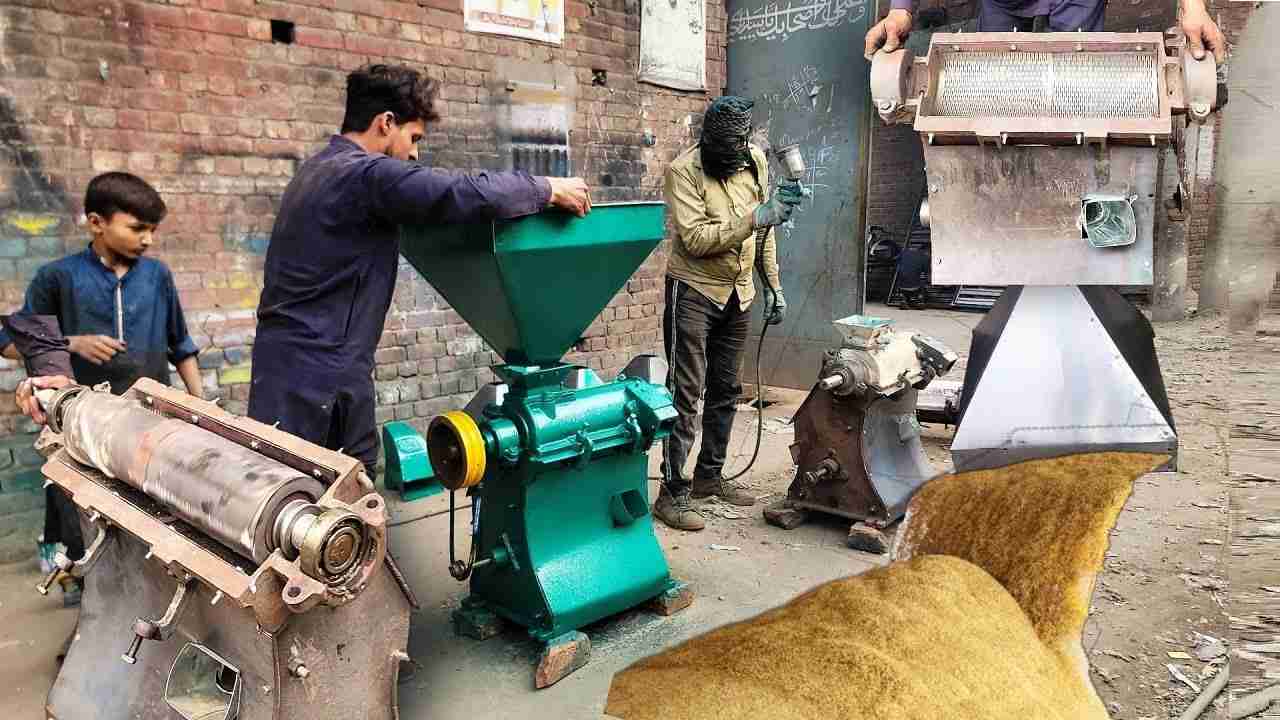
Understanding Mini Rice Mills and Their Impact on Small-Scale Agriculture
The integration of mini rice mills into small-scale agriculture represents a pivotal shift in how local farmers process their crops. These compact facilities are designed to cater to the unique needs of smallholders, ensuring that the benefits of milling are accessible and economically viable. With the ability to operate in local communities, mini rice mills significantly reduce transportation costs associated with off-site processing, allowing farmers to transform their harvested paddy into market-ready rice without the burden of lengthy supply chains. This local processing capability leads to fresher produce, ultimately enhancing the quality of rice available to consumers and fostering a sustainable local economy.
Moreover, mini rice mills empower farmers by enabling them to retain a larger portion of the profits from their harvest. This is possible through several advantages, including:
- Improved Accessibility: Farmers can mill their rice whenever needed, creating a continuous cash flow.
- Job Creation: Mini mills often require local staffing, providing employment opportunities within the community.
- Quality Control: Farmers can oversee the milling process, ensuring higher quality rice that meets local standards and consumer preferences.
As these mills establish themselves in rural areas, they present numerous benefits that contribute to the resilience and independence of smallholder farmers. The focus on local resources and labor helps mitigate the risks associated with market fluctuations, positioning small farmers to thrive in an increasingly competitive agricultural landscape.

Enhancing Productivity and Reducing Post-Harvest Losses with Mini Rice Mills
Mini rice mills stand as a beacon of hope for small farmers, dramatically enhancing productivity while simultaneously slashing post-harvest losses. These compact machines are tailored for small-scale operations, allowing farmers to process their harvests on-site rather than relying heavily on distant mills. Facilitating immediate processing ensures that the rice remains fresh, vibrant, and less prone to pest infestations or spoilage. By embracing this technology, farmers can achieve a higher quality yield, which translates into better market prices and improved income stability.
Moreover, the efficiency of mini rice mills contributes significantly to the reduction of waste in the agricultural supply chain. The integration of modern milling technology allows farmers to:
- Reduce waiting time between harvesting and milling.
- Minimize grain breakage during processing.
- Enhance storage life of rice due to timely processing.
With options for solar-powered models, these mills can also operate in remote areas, further empowering small farmers to maintain control over their production and reduce reliance on external resources. This innovative approach not only fosters sustainability but also nurtures a stronger agricultural ecosystem that benefits entire communities.
Cost-Effectiveness and Financial Benefits of Investing in Mini Rice Mills
Investing in mini rice mills offers significant cost-effectiveness for small farmers by transforming rice processing from a large-scale operation to a more localized one. Minimized operational costs are evident as farmers can process their produce on-site, saving transportation expenses and reducing dependency on costly milling services. Additionally, without the need for extensive infrastructure, the initial investment in a mini rice mill is considerably lower compared to traditional milling systems. The overall overhead costs associated with labor, maintenance, and utilities are also lessened, allowing for a more streamlined operation that can adapt quickly to consumer demand.
Moreover, the financial benefits extend beyond mere savings; they include the potential for increased income through value-added products. By milling rice themselves, farmers can ensure higher quality control, which can attract premium prices in the market. Some possible revenue streams include selling rice husks for animal feed and creating unique rice-based products. To illustrate the potential financial impact:
| Product Type | Market Price (per kg) | Potential Revenue |
|---|---|---|
| Unmilled Rice | $0.50 | $500 for 1,000 kg |
| Milled Rice | $1.00 | $1,000 for 1,000 kg |
| Rice Husk | $0.10 | $100 for 1,000 kg |
Ultimately, mini rice mills empower small-scale farmers to harness both productivity and profitability in their operations, making it a viable financial choice that promotes sustainability and independence within rural agriculture.
Empowering Small Farmers Through Community-Driven Initiatives and Training Programs
In the landscape of agriculture, small farmers often face significant challenges, from fluctuating market prices to limited access to resources. Mini rice mills emerge as a transformative solution, offering these farmers the ability to process their own crops and retain greater profits. By integrating local community-driven initiatives, these mills not only enhance agricultural productivity but also empower farmers to take charge of their economic futures. Through tailored training programs, farmers learn not only how to operate these mills efficiently but also gain insights into maintaining machinery and managing business operations.
Moreover, the benefits of mini rice mills extend beyond individual gains; they foster a sense of community and collaboration among local farmers. By pooling resources and sharing knowledge, smallholders can create a robust support network that champions collective growth. Key advantages include:
- Increased Revenue: Farmers can sell processed rice at a higher price.
- Job Creation: Operation of mini mills can provide employment opportunities within the community.
- Quality Control: Farmers can ensure their products meet market standards.
- Sustainability: Local processing reduces transportation costs and carbon footprints.
As farmers engage in these initiatives, they cultivate resilience not only in their businesses but also in their communities. The ripple effects are profound, as enhanced rice production strengthens food security and stimulates local economies. The collective impact of empowering small farmers through such innovative strategies cannot be overstated.
| Feature | Benefit |
|---|---|
| Cost Efficiency | Lower operational costs than traditional milling. |
| Community Engagement | Encourages cooperation among local farmers. |
| Skill Development | Trains farmers in modern agricultural techniques. |
| Market Access | Enhanced ability to reach local and regional markets. |
Insights and Conclusions
As we wrap up our exploration of mini rice mills and their transformative potential for small farmers, it’s clear that these compact machines offer more than just a means to process grain. They embody a pathway to increased autonomy, improved productivity, and enhanced economic resilience. By enabling farmers to take control of their harvests, mini rice mills not only streamline operations but also open doors to new markets and opportunities.
The journey towards greater agricultural sustainability starts with small steps—or in this case, small machines. By investing in mini rice mills, farmers can not only elevate their own livelihoods but also contribute to the broader landscape of food security. With the right tools at their disposal, smallholders can thrive in an increasingly competitive market, fostering a spirit of innovation and self-reliance.
As we look to the future, it becomes evident that the small-scale farming community, empowered by technology like mini rice mills, holds the key to building a resilient agricultural sector. In embracing these advancements, they not only safeguard their own futures but also those of the generations to come. The roads ahead are paved with potential, and with the right support and resources, small farmers can continue to cultivate not just rice, but hope and prosperity for all.




