
In the heart of bustling agricultural landscapes, where golden fields sway gently in the breeze, rice stands as a staple that nourishes billions around the globe. With the world’s growing population and an increasing demand for efficient food production, the methods of rice processing have evolved dramatically over the years. Among the most transformative innovations are mini rice milling machines—compact yet powerful tools that have revolutionized the rice industry. This article embarks on a journey to explore the myriad benefits of these remarkable machines, shedding light on their role in enhancing productivity, reducing waste, and empowering smallholder farmers. As we delve into the mechanics and impacts of mini rice milling technology, we will uncover how these machines not only optimize the milling process but also contribute to sustainable agricultural practices and economic development in communities worldwide. Join us as we unveil the hidden potential of mini rice milling machines and their crucial place in the modern agricultural narrative.
Advantages of Compact Design in Mini Rice Milling Machines
Compact design in mini rice milling machines presents a myriad of advantages that cater to both small-scale farmers and urban households. Firstly, their space-saving design allows them to fit seamlessly into limited areas, making them perfect for those with constrained working environments. Additionally, these machines are often lightweight, enabling easy portability, which is ideal for farmers who might need to transport them between fields or locations. The streamlined mechanics contribute to lower energy consumption, promoting sustainability while keeping operating costs down. the efficient layout allows for quick setup and operation, reducing downtime and boosting productivity.
Moreover, the compact format of these milling machines enhances their user-friendly features. Many models incorporate simplified interfaces that make it easier for operators, even those with minimal training, to operate them proficiently. This accessibility encourages more individuals to engage in rice milling, thereby promoting local economies. Another notable benefit is the reduced maintenance required due to fewer moving parts, which translates into less wear and tear and fewer repairs. As a result, users can enjoy longer machine lifespans while benefiting from consistent milling performance without the stress of frequent breakdowns.
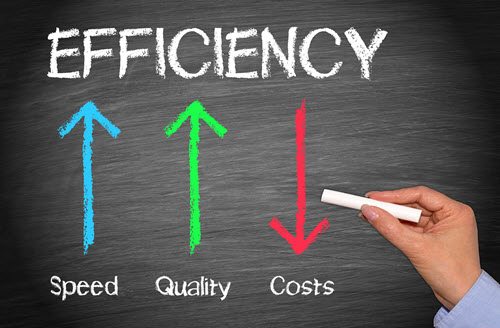
Enhancing Efficiency and Reducing Labor Costs
The integration of mini rice milling machines in rice processing operations unleashes a cascade of benefits that drive productivity and minimize costs. These machines are designed with cutting-edge technology that optimizes the milling process, ensuring less waste and higher quality rice production. With reduced energy consumption and automation features, businesses can operate with fewer manpower requirements, allowing existing staff to focus on more strategic tasks rather than tedious manual labor. As a result, companies can allocate their resources more efficiently, leading to overall operational cost savings.
Furthermore, mini rice milling machines provide flexibility in various production scales, making them ideal for smallholder farmers and cooperatives who might not have the budget for larger equipment. The compact design not only saves space but also enhances mobility, allowing for easier transport to different locations. This adaptability means that users can respond quickly to changes in demand without incurring hefty labor costs. The following table summarizes key features that contribute to efficiency and cost reduction:
| Feature | Benefit |
|---|---|
| Automated Operations | Reduces the need for manual labor |
| Compact Design | Saves space and enhances mobility |
| Energy Efficiency | Lowers operational costs |
| High Yield Rate | Maximizes production output |
Quality Control: Ensuring Superior Rice Output
In the realm of rice milling, quality control plays a pivotal role, particularly when utilizing mini rice milling machines. These compact devices not only enhance accessibility for small-scale farmers but also ensure that each grain maintains its nutritional value and pristine appearance. By employing precision engineering and smart technology, these machines minimize the chances of broken grains during the milling process, which is crucial for both marketability and consumer satisfaction. Regular maintenance and consistent monitoring of milling operations are essential components that directly influence the end product’s quality.
A systematic approach to quality assurance encompasses several critical elements, including:
- Raw Material Inspection: Assessing the quality of paddy rice before milling.
- Milling Parameters Control: Adjusting settings for optimum performance based on grain type.
- Post-Milling Evaluation: Conducting rigorous checks on the final output to ensure standards are met.
Implementing these quality control measures not only leads to superior rice output but also enhances consumer trust. By adopting modern mini rice milling machines, producers can rely on technical advancements that provide consistent results while adhering to industry standards.
Choosing the Right Mini Rice Milling Machine for Your Needs
When selecting a mini rice milling machine, it’s crucial to consider various factors that can significantly impact your milling efficiency and overall satisfaction. Capacity is one of the foremost aspects to assess, as it determines how much rice you can process in a given time frame. For small-scale operations or household use, a machine with a lower capacity may suffice, while commercial applications will require a more robust system to handle higher volumes. Additionally, evaluating energy consumption is essential; opting for a machine that is efficient can lower operational costs while also minimizing your carbon footprint.
Another vital consideration is the level of automation the machine offers. Many contemporary mini rice milling machines come equipped with advanced technology that enhances productivity and precision. A semi-automated or fully automated device can greatly reduce manual labor and improve consistency in grain quality. Additionally, focus on the ease of maintenance – the ability to quickly clean and service the machinery contributes significantly to its longevity. Here are some other aspects to contemplate:
- Size and weight: Ensure it fits your workspace.
- Brand reputation: Research manufacturer reviews and customer feedback.
- Warranty and support: Strong after-sales service can save time and hassle.
For a clearer comparison, consider the following table outlining different mini rice milling machines based on important criteria:
| Machine Model | Capacity (kg/h) | Power (kW) | Type |
|---|---|---|---|
| Model A | 300 | 2.2 | Semi-Automatic |
| Model B | 500 | 3.0 | Fully Automatic |
| Model C | 200 | 1.5 | Manual |
By taking these factors into account, you can make a well-informed decision that aligns with your specific requirements and operational goals.
To Wrap It Up
mini rice milling machines represent a transformative step forward in the agricultural sector, offering an array of benefits that extend beyond mere convenience. These compact powerhouses not only streamline the processing of rice but also empower local farmers and small-scale mill operators to achieve greater efficiency and profitability. With their ability to enhance quality, reduce waste, and save time, mini rice milling machines are paving the way for a more sustainable and accessible approach to rice production.
As we continue to explore advancements in agricultural technology, it’s important to acknowledge the role that these machines play in revolutionizing traditional practices. They serve not just as tools, but as catalysts for change, fostering economic growth and ensuring food security in communities around the globe. By embracing mini rice milling technology, we open the door to endless possibilities—allowing farmers to reclaim their time, elevate their craft, and ultimately contribute to a more robust food system.
So, as we stand at the crossroads of tradition and innovation, let us take a step forward into a future where the benefits of mini rice milling machines are not just acknowledged, but widely embraced, benefitting farmers and consumers alike.




