
In the heart of agricultural landscapes around the world, a quiet revolution is taking root. As the demand for locally sourced, high-quality rice continues to rise, communities are embracing a transformative solution: mini rice mill plants. These small-scale processing units are not merely machinery; they symbolize a shift in empowerment, sustainability, and economic resilience for rural populations. By enabling farmers to process their own harvests, these mini mills are fostering a sense of ownership and encouraging self-sufficiency. This article delves into the rise of these innovative plants, exploring their role in reshaping agricultural practices, bolstering local economies, and strengthening food security in communities where it matters most. Join us as we uncover the profound impact of mini rice mill plants on rural livelihoods and the future of global rice production.
Empowering Local Economies through mini rice mill Innovations
The implementation of mini rice mills has become a transformative force in rural economies, fostering self-sufficiency and offering a multitude of economic benefits. These compact milling solutions not only provide farmers with the means to process their paddy into rice independently but also add significant value to their crops. By shortening the supply chain, mini rice mills enhance profitability for local producers, ensuring that a larger share of the revenue stays within the community. This innovation allows for greater flexibility in production, enabling farmers to mill rice on demand, which helps to stabilize prices and maintain higher standards of quality.
Moreover, the rise of these milling plants encourages entrepreneurship and job creation. As small-scale mill operators emerge, they stimulate local businesses and attract ancillary services such as transportation and storage facilities. The ripple effect creates opportunities for employment, empowering women and youth in the community and leading to a more inclusive economic environment. Notable benefits include the following:
- Increased Local Income: Farmers are able to earn more from their crop sales.
- Enhanced Food Security: Rice availability improves, ensuring food supply stability.
- Technology Transfer: Local operators gain skills through managing and maintaining mini mills.

Sustainable Practices and Their Role in Community Development
In recent years, mini rice mill plants have emerged as a beacon of innovation, driving sustainable practices that invigorate local economies and enhance community resilience. These small-scale milling operations not only reduce food processing costs but also minimize waste through eco-friendly practices, such as recycling husks into biofuel or animal feed. By fostering a circular economy, these initiatives contribute significantly to the sustainability of agricultural communities by:
- Providing local jobs: Employment opportunities in farming and mill operations empower residents, leading to economic stability.
- Supporting food security: Increased rice production ensures that families have access to nutritious food at reasonable prices.
- Encouraging local entrepreneurship: Mini mills allow farmers to process their own crops, boosting self-sufficiency and reducing reliance on distant markets.
As these plants become integral to rural community development, collaboration between various stakeholders plays a vital role. Partnerships among local governments, NGOs, and agricultural cooperatives can lead to improved infrastructure and training programs, fostering best practices in sustainable agriculture and milling processes. To illustrate the impact, consider the following table showcasing successful mini rice mill projects:
| Project Name | Location | Beneficiaries | Key Achievement |
|---|---|---|---|
| Green Valley Rice Mill | Punjab, India | 300 Farmers | 30% Increase in Income |
| EcoMills Initiative | Sierra Leone | 200 Families | Waste Reduction by 50% |
| Sustainable Harvest Project | Bangladesh | 1500 Households | Enhanced Food Security |
This collaborative approach not only optimizes resource use but also cultivates a sense of ownership and pride within the community. As mini rice mills continue to proliferate, their role in fostering sustainable development will become increasingly pivotal, empowering communities to thrive while harmonizing with the environment.
Enhancing Food Security: The Benefits of Localized Rice Milling
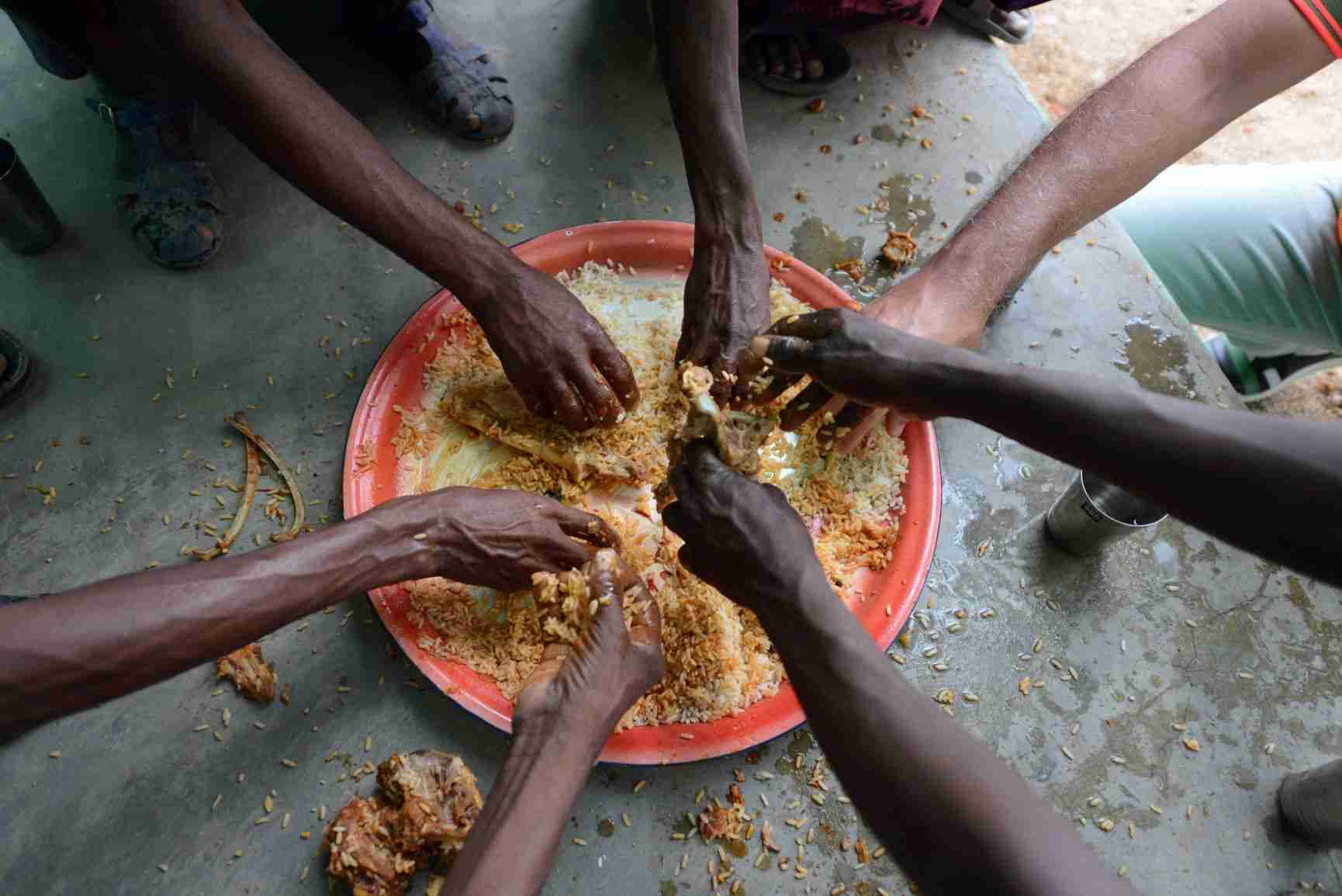
Localized rice milling acts as a catalyst for improving food security, particularly in rural communities. By establishing mini rice mill plants, communities gain greater control over their rice production processes. This not only reduces dependence on large commercial mills but also helps to minimize production and transportation costs. Such initiatives ensure that freshly milled rice is accessible to local markets, which directly impacts the nutrition and food availability in these areas. The community-centric approach fosters transparency and encourages farmers to sell their harvests at fair prices, thereby supporting local economies.
Moreover, the benefits extend beyond just economic stimulation; there is a significant improvement in quality control and preservation of cultural practices. Mini rice mills can be tailored to produce various rice varieties that are often overlooked by larger operations. This enhances diet diversity and promotes traditional agricultural practices that have sustained communities for generations. Furthermore, localized milling reduces post-harvest losses since farmers can process their rice immediately after harvest, thus securing a more reliable food supply chain. The holistic advantages of these small-scale mills bridge the gap between production and consumption, ultimately leading to more resilient communities.
Strategic Partnerships for Success: Building Support Networks for Mini Mills
In today’s rapidly evolving agricultural landscape, the formation of robust alliances has become paramount for the successful establishment and operation of mini rice mill plants. These partnerships often extend beyond conventional business connections to include local farmers, cooperatives, government entities, and even NGOs. By fostering these collaborations, mini mills can ensure a consistent supply of rice, leverage shared resources, and benefit from collective marketing strategies. Key elements of effective partnerships include:
- Knowledge Exchange: Sharing insights on best practices and technologies can lead to enhanced efficiency.
- Financial Support: Accessing funding through partnerships can help mitigate initial capital expenditures.
- Market Access: Collaboratively identifying and targeting new markets expands reach and profitability.
Moreover, building a community around mini rice mills not only strengthens operational viability but also enhances social cohesion. By cultivating networks of support, these mills can create local employment opportunities and improve livelihoods. Partnering with educational institutions for training programs can elevate skill levels among workers, while collaboration with local governments can facilitate better infrastructure and regulatory support. Below is a snapshot of potential partnership opportunities:
| Partner Type | Potential Benefits |
|---|---|
| Farmers Co-operatives | Reliable supply chain & bulk purchasing power |
| Government Agencies | Funding and regulatory support |
| Educational Institutions | Training & research partnerships |
| NGOs | Community outreach & sustainable practices |
To Wrap It Up
the emergence of mini rice mill plants marks a significant shift in the landscape of agricultural innovation and community empowerment. These small-scale facilities not only streamline rice processing, enhancing efficiency and productivity, but they also serve as vital catalysts for local economies. By providing job opportunities, fostering entrepreneurial spirit, and ensuring the accessibility of high-quality rice, mini rice mills are transforming communities across the globe.
As we gaze into the future, it’s clear that these plants hold the potential to mitigate food insecurity and bolster the resilience of rural areas. Building upon traditional practices, they integrate modern technology to create a sustainable model for agricultural growth and community development. The rise of mini rice mill plants symbolizes a movement where local solutions meet global challenges, reinforcing the idea that empowerment begins at home.
As communities continue to harness the benefits of these innovative mills, there remains a collective responsibility to nurture and support such initiatives, ensuring that they flourish for generations to come. In this journey towards self-sufficiency and prosperity, the seeds of change have been sown, and it is now up to us to cultivate them thoughtfully and sustainably.




