
In the heart of the world’s rice-producing regions, a silent revolution is underway, transforming the way farmers approach the age-old practice of milling. Enter the mini rice milling machine—an innovation that combines efficiency with simplicity, making rice processing an effortless endeavor for smallholders and commercial farmers alike. As global demand for rice escalates alongside burgeoning populations, these compact machines are rising to the occasion, redefining accessibility and sustainability in agriculture. This article delves into the emergence of mini rice milling machines, exploring their impact on rural economies, the empowerment of farmers, and the future of rice production in an ever-evolving food landscape. Join us as we uncover the potential of these modest yet mighty machines in shaping a new era of effortless harvest.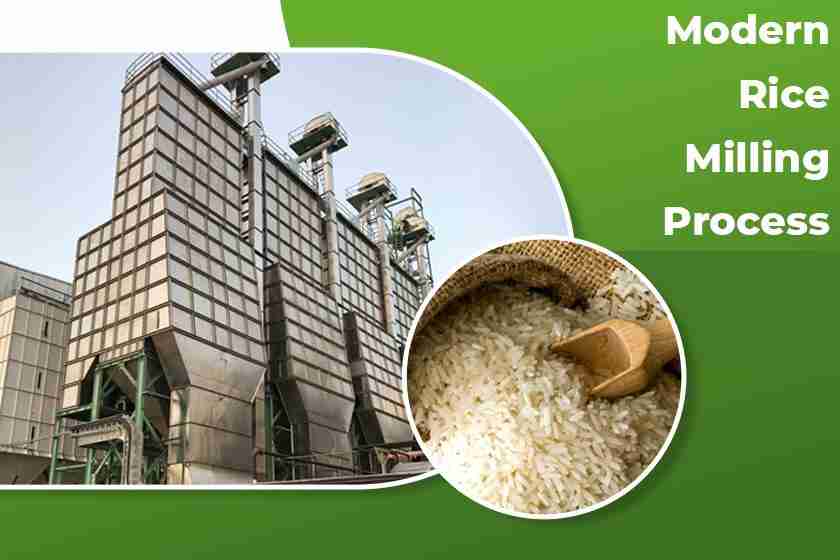
The Evolution of Rice Milling Technology and the Emergence of Mini Machines
The journey of rice milling technology has been nothing short of transformative, evolving from traditional methods to sophisticated machinery that increases efficiency and reduces labor. In the early days, milling was a labor-intensive process, relying on manual laborers using simple tools like hand-held mortars and pestles. As the demand for rice surged, so did the innovation in milling techniques. The introduction of larger machines in the 19th and 20th centuries greatly enhanced processing capabilities, enabling faster production and reduced waste. With technological advancements, the focus has shifted towards creating smaller, yet powerful milling machines that cater to local farmers and micro-enterprises, making rice milling more accessible than ever.
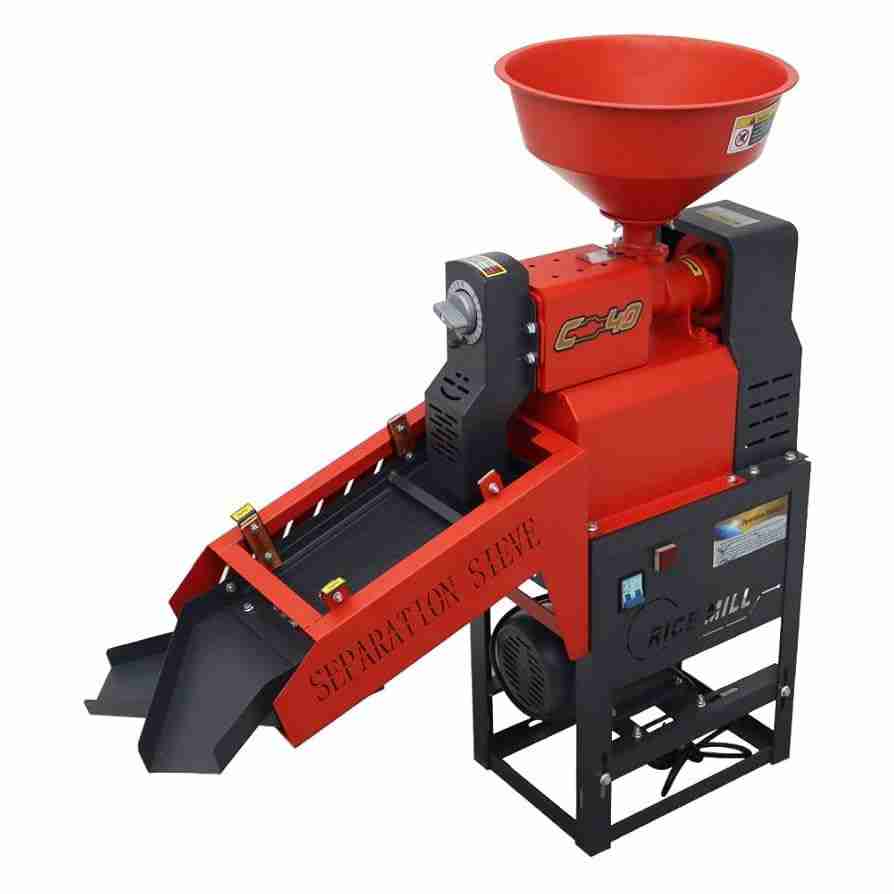
Today, mini rice milling machines epitomize this evolution, combining modern engineering with ease of use. These compact units are designed for efficiency and portability, allowing even small-scale farmers to process rice on-site. The advantages of mini machines can be summarized as follows:
- Cost-Effective: Lower investment and operational costs.
- Space-Saving: Compact design ideal for small farms.
- Ease of Use: User-friendly interfaces make operation simple.
- Quick Processing: Reduces waiting times and improves freshness.
In addition to innovation in design, the emergence of mini machines has prompted a shift in the market landscape. As smallholders gain access to this technology, they are not only improving their production capabilities but also enhancing the quality of their rice. Below is a comparison of traditional milling methods versus the advantages of modern mini machinery:
| Aspect | Traditional Milling | Mini Rice Milling Machines |
|---|---|---|
| Labor Intensity | High | Low |
| Processing Time | Long | Fast |
| Quality of Rice | Variable | Consistent |
| Cost | Higher Maintenance | Affordable |
Understanding the Benefits of Mini Rice Milling for Small-Scale Farmers
The advent of mini rice milling machines has revolutionized the landscape for small-scale farmers, delivering a host of advantages that enhance productivity and profitability. These compact milling solutions allow farmers to process their harvest on-site, drastically reducing reliance on external milling services. As a result, smallholders can enjoy greater control over their production, leading to fresher rice and the ability to market high-quality grains. Furthermore, minimizing transport costs associated with sending paddy to distant mills ultimately boosts the farmer’s bottom line.
Moreover, mini rice milling machines empower small-scale farmers by providing them with the tools to maximize efficiency and streamline operations. These machines are designed to be user-friendly and require minimal maintenance, ensuring ease of operation even for those with limited technical skills. Key benefits include:
- Lower operational costs: Reduced need for labor and transportation.
- Improved quality control: Farmers can oversee the milling process and ensure that their rice retains maximum flavor and nutritional value.
- Time savings: On-site milling accelerates the processing time, allowing farmers to quickly prepare their products for market.
In essence, the rise of mini rice milling machines is transforming small-scale farming by equipping farmers with the means to achieve sustainable and profitable operations. With the ability to process their rice directly from the field, smallholders are not just surviving but can thrive in a competitive agricultural market.
Maximizing Efficiency: How Mini Rice Mills Enhance Production Processes
The advent of mini rice mills has significantly transformed rice production, streamlining various processes from harvesting to processing. These compact machines are designed with advanced technology, making them ideal for small-scale farmers and cooperatives. By utilizing these mills, producers can greatly minimize their operational costs, as they require less labor and energy compared to traditional milling methods. The ability to operate them on-site allows for immediate processing of harvested rice, ensuring freshness and reducing spoilage.
Moreover, mini rice mills enhance production efficiency by offering versatility and ease of use. They come equipped with features that allow adjustment of milling settings based on the specific variety of rice, thereby maximizing yield and quality. The compact design facilitates storage and transportation, ensuring farmers can deploy them in various locations as needed. Additional benefits include:
- Improved quality control: Instant processing maintains the rice’s nutritional value.
- Cost-effectiveness: Reduces transportation expenses associated with moving harvested rice to a centralized milling facility.
- Time efficiency: Swift operation leads to quicker turnaround times from field to market.
- Reduced labor: Automation cuts down the need for extensive manpower.
To illustrate the impact of mini rice mills, consider the following table showcasing the key benefits compared to traditional milling systems:
| Feature | Traditional Milling | Mini Rice Mills |
|---|---|---|
| Setup Cost | High | Low |
| Space Requirement | Large | Compact |
| Processing Speed | Slow | Fast |
| Labor Intensity | High | Low |
Choosing the Right Mini Rice Milling Machine: Features to Consider
When selecting a mini rice milling machine, it is crucial to evaluate certain features that can significantly impact efficiency and output quality. Capacity is one of the primary considerations; a machine should ideally handle your processing needs without compromising on speed or performance. Additionally, look for durability in the design. A robust machine made from high-quality materials can withstand prolonged usage and deliver consistent results. Other important features to consider include:
- Size and Portability: Ensure it fits your workspace and can be easily moved if necessary.
- Energy Consumption: Opt for machines that are energy-efficient to save on operating costs.
- Ease of Operation: User-friendly controls can enhance productivity, especially for beginners.
Moreover, additional functionalities can set one machine apart from another. Look for options that include multi-functional capabilities, like husking and milling in one unit. This can streamline the process and save time. Don’t overlook maintenance aspects; choose machines that are easy to clean and maintain to keep operations running smoothly. Below is a simple comparison table that illustrates some vital specifications to aid in your decision-making:
| Feature | Machine A | Machine B |
|---|---|---|
| Capacity (kg/h) | 200 | 150 |
| Energy Consumption (kW) | 1.5 | 2.0 |
| Size (cm) | 85 x 60 x 120 | 80 x 55 x 110 |
| Portability | Moderate | High |
Wrapping Up
As we stand on the precipice of a new agricultural era, the rise of mini rice milling machines is reshaping the landscape of food production and community sustainability. These compact powerhouses not only streamline the milling process but offer smallholder farmers unprecedented autonomy and access to quality grain. With their efficient designs and user-friendly operations, these machines are not just transforming how rice is processed; they are empowering rural economies and enhancing food security in ways that were once thought unattainable.
As we look to the future, the ongoing evolution of rice milling technology presents endless possibilities for innovation and inclusivity in farming practices worldwide. By making rice milling more effortless than ever before, we contribute to a path where nutritious food is produced with care and respect for our planet. As stakeholders in the agricultural sector continue to embrace this change, the vision of sustainable farming grows clearer, promising a bountiful harvest for generations to come. In this dynamic landscape, the humble mini rice milling machine stands as a beacon of progress, reminding us that sometimes, the smallest tools can have the most profound impact.




