
In an age where efficiency meets innovation, the world of agriculture is witnessing a remarkable transformation. At the forefront of this evolution is the mini rice milling machine, a compact powerhouse that is redefining the grain processing landscape. As demand for high-quality rice surges, these modern milling solutions are stepping in to bridge the gap between traditional practices and contemporary needs. By harnessing cutting-edge technology and engineering, mini rice milling machines offer not only remarkable efficiency but also accessibility for small-scale farmers and enterprises seeking to enhance their productivity. In this article, we delve into the features, benefits, and transformative potential of these machines, shedding light on how they serve as a modern grain solution for a diverse agricultural community. Join us as we explore the journey of rice from field to fork, made smoother and more sustainable through the advent of mini rice milling technology.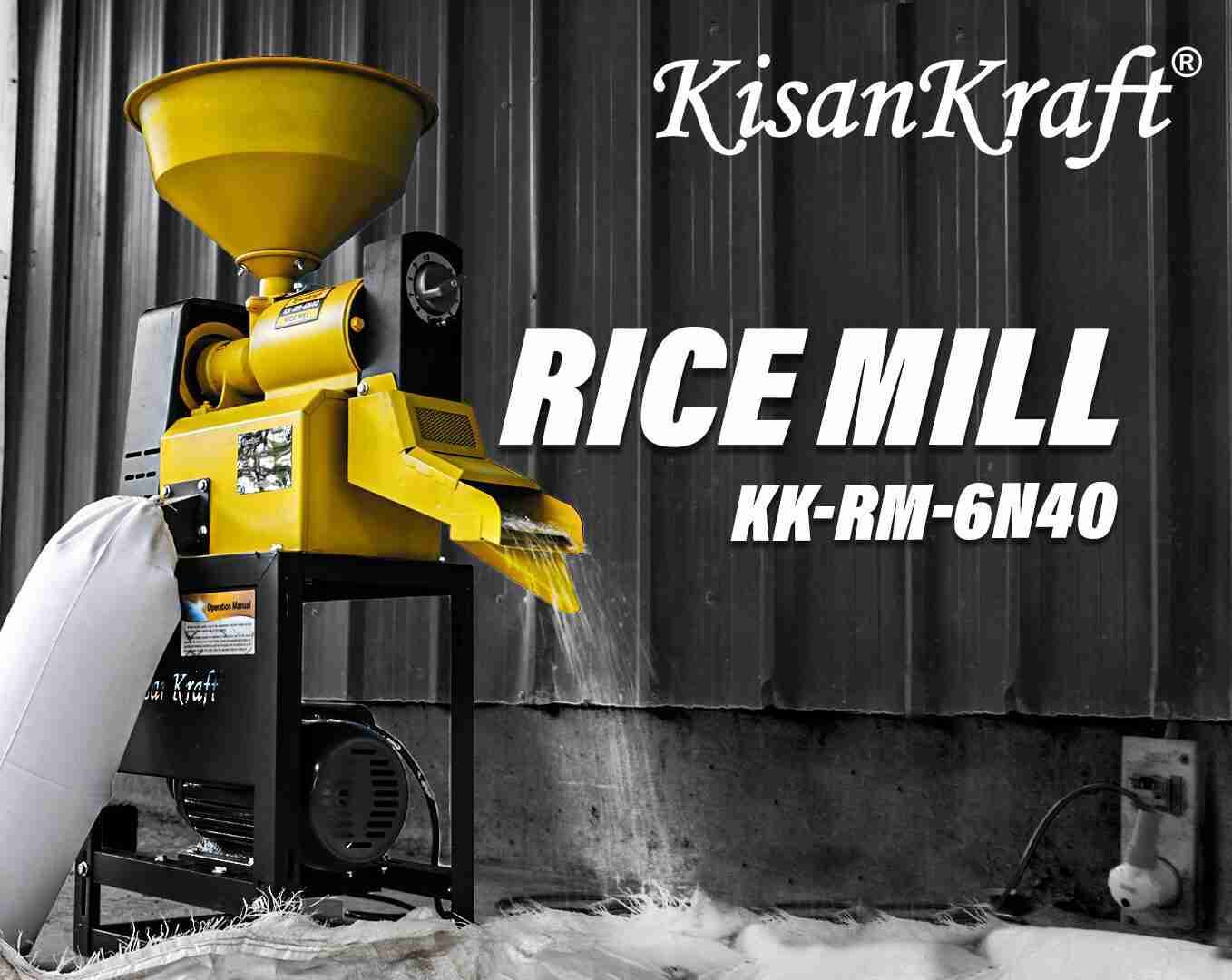
Exploring the Benefits of Mini Rice Milling Machines in Todays Farming Practices
In today’s agricultural landscape, mini rice milling machines are transforming traditional farming practices by offering a range of benefits that enhance productivity and efficiency. These compact machines are designed to cater to the needs of small-scale farmers, enabling them to process rice quickly and effectively. Not only do they significantly reduce the operating time compared to conventional milling methods, but they also help in maintaining the quality of rice, ensuring that it is free from impurities. Farmers can extract higher yields from their crops by investing in these machines, leading to better economic outcomes.
Moreover, the adoption of mini rice milling machines promotes sustainability within the farming community. By processing rice on-site, farmers can save on transportation costs and reduce their carbon footprint. Here are some additional advantages:
- Cost-effectiveness: Lower operational costs compared to larger milling machines.
- Portability: Easy to transport and set up in different locations.
- User-friendly Design: Simplified operation allows farmers with limited technical skills to use the machines effectively.
As more farmers turn towards these modern grain solutions, the overall efficiency of rice production and processing is set to improve, encouraging growth and development in rural economies.

Technology Advancements and Their Impact on Grain Processing Efficiency
In recent years, mini rice milling machines have witnessed remarkable advancements in technology that have significantly enhanced their operational efficiency. These innovations focus not only on improving the milling process but also on reducing waste and energy consumption. Modern machines now incorporate features such as automated sensing technology, allowing for precise adjustments during milling, real-time monitoring systems that track performance metrics, and intelligent design that minimizes grain breakage. These advancements ensure that rice producers can maximize yield while maintaining high-quality standards.
Furthermore, the integration of smart technology into mini rice milling systems is redefining the grain processing landscape. Key enhancements include:
- Energy Efficiency: Machines now utilize optimized motor systems that consume less power.
- Compact Design: Smaller footprint without compromising milling capacity allows for easier installation and maintenance.
- User-Friendly Interfaces: Enhanced control systems that simplify operation and reduce the learning curve for new operators.
This blend of efficiency, quality improvement, and user experience is central to the ongoing evolution of grain processing technology, ensuring that producers can meet the demanding needs of the market while adhering to sustainable practices.
Choosing the Right Mini Rice Milling Machine for Your Farm Needs
When selecting a mini rice milling machine, it’s crucial to consider several factors that align with your specific farming operations. First and foremost, evaluate the capacity of the machine, as it should match your anticipated production levels. Whether you’re a small-scale farmer or looking to process larger quantities, ensure you choose a model that can handle your needs efficiently. Additionally, the versatility of the machine is essential. Look for options that offer features like multi-function capabilities to process different types of grains, giving you the flexibility to diversify your products.
Another important aspect is the ease of use and maintenance requirements of the milling machine. A user-friendly design not only speeds up the process but also minimizes downtime. Factors to consider include:
- Mobility: How easily can the machine be transported across your farm?
- Energy Efficiency: What is the power consumption rate?
- Durability: Is the construction robust enough to withstand daily use?
By comparing models based on these criteria, you can find a mini rice milling machine that not only meets your immediate needs but also proves to be a long-term investment for your farming business.
Sustainable Practices in Rice Milling: Maximizing Output While Minimizing Waste
In the quest for efficiency, modern rice milling operations are increasingly adopting sustainable practices that prioritize both productivity and environmental responsibility. The integration of mini rice milling machines is a pivotal aspect of this transformation, offering several advantages that not only boost output but also significantly reduce waste during processing. These compact units are designed to optimize every step of milling, from cleaning to hulling, while minimizing energy consumption. Key features of these machines include:
- Energy Efficiency: Utilizing less power without compromising performance.
- Minimal Waste Production: Enhanced separation technologies that ensure more of the grain is used.
- Versatility: Suitable for both small-scale farmers and larger agricultural enterprises.
Furthermore, sustainable rice milling incorporates innovative practices that transform by-products into useful materials, creating a circular economy within the milling process. For instance, rice husks, often regarded as waste, can be repurposed for energy generation or as a high-quality organic fertilizer. This not only maximizes the utility of every grain but also contributes to a lower carbon footprint. A quick look at the sustainability benefits of modern milling practices can be summarized in the table below:
| Benefit | Description |
|---|---|
| Waste Reduction | Utilization of by-products minimizes environmental impact. |
| Resource Efficiency | Lower energy and water consumption during milling processes. |
| Soil Health Improvement | By-products used as natural fertilizers enhance soil fertility. |
The Way Forward
the advent of efficient mini rice milling machines marks a pivotal advancement in the agricultural landscape, marrying tradition with innovation. These compact powerhouses not only enhance the quality and yield of rice production but also empower small-scale farmers and entrepreneurs to thrive in a competitive market. As we embrace the technological marvels of modern grain solutions, it becomes evident that these machines are more than just tools; they are catalysts for sustainable practices that can help feed a growing population while preserving the essence of rice as a staple food. As we move forward, let us continue to explore and invest in these innovative solutions, ensuring that the future of rice milling remains not only efficient but also accessible to all who nurture the soil.




