In teh heart of agricultural innovation, a quiet revolution is taking place, transforming the landscape of small-scale farming. Enter the efficient mini rice milling machine—a compact marvel engineering that promises to redefine productivity and sustainability for farmers around the globe. As the world’s appetite for rice continues to grow, so does the need for accessible and efficient processing solutions, especially for smallholder farmers who often bear the brunt of labor-intensive and costly milling methods. This article delves into how these cutting-edge machines are not just tools of convenience, but game changers that empower small farms to enhance thier operations, reduce post-harvest losses, and improve economic resilience. Join us as we explore the impact of these innovations, the technology behind them, and the stories of farmers who have transitioned from customary practices to embrace a new era of rice milling.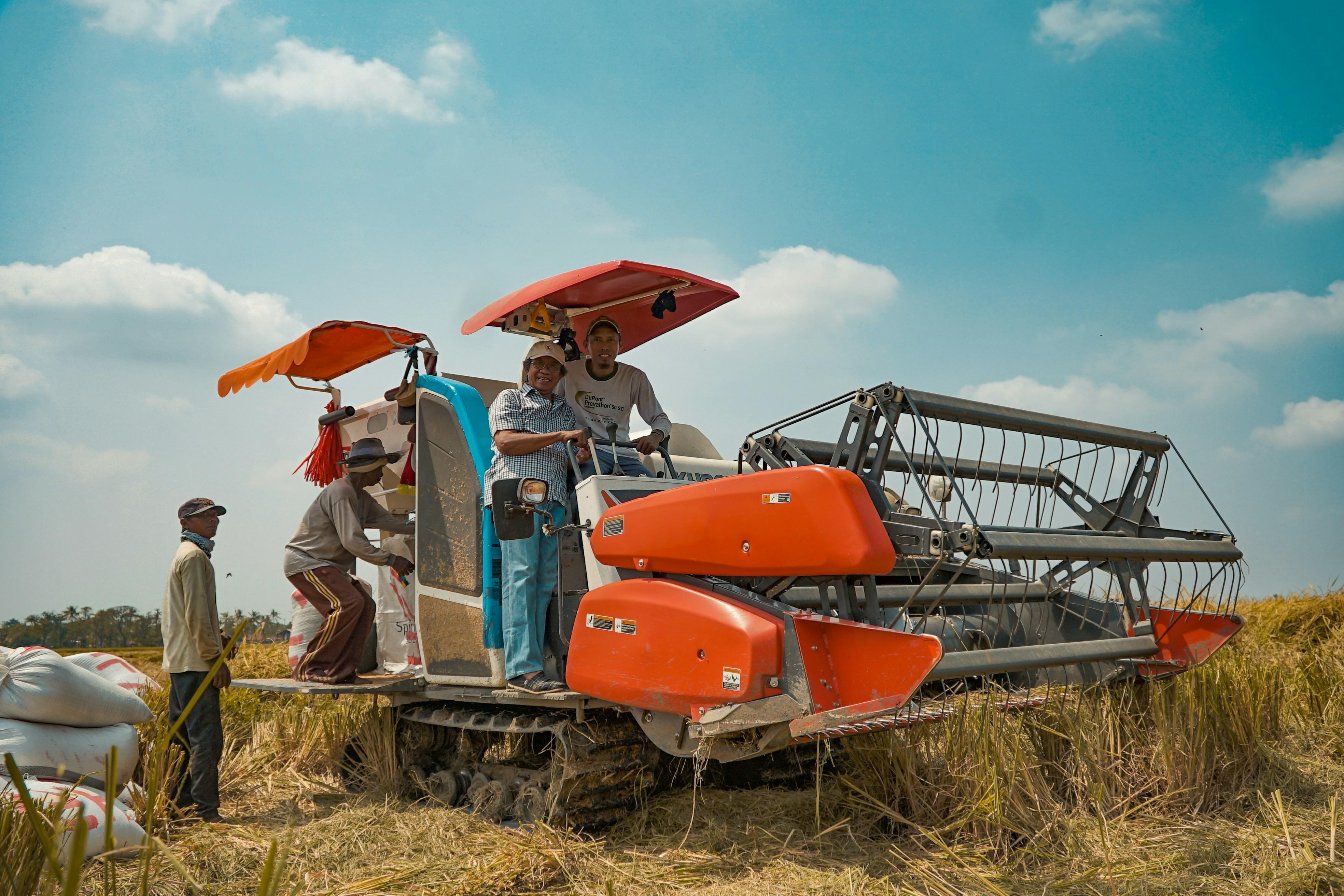
Overview of Mini Rice Milling Technology and Its Impact on Small Farms
The introduction of mini rice milling technology has transformed the way small farms operate, allowing farmers to increase efficiency and productivity. Compact and user-friendly, these machines enable farmers to process their rice with minimal labor and investment. They are designed to handle smaller volumes yet deliver high-quality output, making them ideal for smallholders who previously had to rely on traditional methods. the technology encompasses several key benefits, including:
- Reduced Post-Harvest Losses: By streamlining the milling process, farmers can minimize spoilage and waste.
- Improved Rice Quality: Modern mini mills produce rice that meets market standards, enhancing sales opportunities.
- Cost-Effectiveness: Lower operational costs make it feasible for small farms to invest in their milling capabilities.
- Local Processing: Farmers can mill their crops on-site, improving turnaround times and reducing transportation costs.
Additionally, the adoption of mini rice milling machines has economic implications for rural communities. By empowering small farmers to mill locally, entire agricultural ecosystems benefit from increased local value addition. Farmers are not only able to command better prices for their finished products, but they also contribute to job creation and skill development within their communities. A comparative analysis of traditional and modern milling practices highlights critically importent advantages:
| Aspect | Traditional Milling | Mini Rice Milling |
|---|---|---|
| Time Required | Days | hours |
| Labor Intensity | High | Low |
| Quality of Output | Variable | Consistent |
| market Competitiveness | Low | High |

Key Features of Efficient Mini Rice Milling Machines to Enhance Productivity
Mini rice milling machines have revolutionized the way small farms operate, bringing efficiency, convenience, and cost-effectiveness to rice processing. One standout feature of these machines is their compact design, which allows for easy installation and operation in limited spaces. With their lightweight and portable structure, farmers can easily move them as needed, making them ideal for small-scale operations. These machines typically operate with low power consumption,reducing energy costs considerably while maintaining high productivity. This is complemented by their user-friendly interfaces,which often require minimal training for effective operation,enabling farmers to focus on their core activities rather than complex machinery.
Another remarkable aspect is their multi-functionality, allowing users to hull, mill, and polish rice in one streamlined process. This not only saves time but also maintains the quality of the rice, ensuring a better end product is delivered to the market. Additionally, many modern mini rice milling machines incorporate advanced technology, such as automated controls and self-cleaning mechanisms, which enhance overall efficiency and reduce downtime. Farmers also benefit from reduced waste, thanks to optimized milling processes that extract maximum yield from each batch of rice.the amalgamation of these features propels farm productivity to new heights, making mini rice milling machines an indispensable asset in the agricultural sector.
Cost-Effectiveness and financial Benefits of Investing in Mini Rice Mills
The transition to mini rice mills presents an array of financial benefits for small farmers, acting as a catalyst for increased profitability. Firstly, by eliminating the need to send paddy to large milling facilities, farmers can significantly reduce transportation costs. When you factor in the expenses associated with third-party milling, the savings realized become evident. Moreover, the direct control over processing allows farmers to ensure the quality of their product, resulting in better market prices. Other financial advantages include:
- Increased Yield: Minimizing grain loss during milling leads to higher overall output.
- Lower Operational Costs: Reduced reliance on external milling services cuts ongoing expenses.
- Immediate cash Flow: selling milled rice instead of paddy improves liquidity.
Along with reducing costs, mini rice mills enable farmers to diversify their income streams. Having their milling operation means small farms can explore additional avenues, such as producing rice bran oil or selling by-products. The initial investment in machinery might seem daunting, but the potential for long-term gains makes it worthwhile. When assessed, the return on investment is promising, as shown in the table below:
| Investment Type | Cost ($) | Annual Income ($) | ROI (%) |
|---|---|---|---|
| mini rice mill | 5,000 | 10,000 | 100% |
| Traditional Milling Service | Cost Variable | 7,000 | N/A |
This comparison underscores the value of investing in mini rice mills, supporting the idea that small farms can thrive economically while maintaining quality and efficiency. Ultimately, each saved dollar contributes to a more sustainable farming operation, allowing farmers to reinvest in their land and community.
Recommendations for Selecting the Right Mini Rice Milling Machine for Your Farm
When choosing the ideal mini rice milling machine for your small farm, several crucial factors come into play. First, consider the capacity of the machine. A model that meets your production needs without overextending your budget is essential. Look for machines with adaptable capacities to accommodate fluctuations in your crop yield throughout the season. Additionally, the maintenance requirements should be evaluated; select a machine that has readily available parts and offers customer support to minimize downtime.
Another vital aspect is the energy efficiency of the milling machine. Opt for models known for low power consumption, which can significantly reduce operational costs over time. also, examine the features offered by different machines; cutting-edge technology like automatic husking and polishing can enhance processing quality and efficiency. To help you compare options, refer to a swift overview of popular models and their specifications in the table below:
| Model | Capacity (kg/h) | Power (kW) | Features |
|---|---|---|---|
| EcoRice 500 | 500 | 5 | Low noise, Energy-efficient |
| QuickMill Mini | 300 | 3 | Automatic polishing, Compact design |
| ProGrain Lite | 700 | 7 | Multi-functional, High throughput |
These considerations will help you make a well-informed decision that aligns with your farming ambitions while promoting productivity and sustainability on your small farm.
The Conclusion
As we conclude our exploration of efficient mini rice milling machines, it’s clear that these innovative tools are more than just a technological advancement; they are a transformative force for small farms around the world. By empowering farmers with the ability to process their rice with efficiency and ease, these machines pave the way for enhanced productivity, reduced post-harvest losses, and increased income. The shift towards these compact milling solutions symbolizes a larger movement in agriculture,one that prioritizes sustainability and accessibility.
With the potential to revolutionize operations and bolster rural economies, mini rice milling machines represent a beacon of hope for many farmers striving for a more prosperous future. As agriculture continues to evolve,embracing such advancements will be crucial in meeting the growing demands of a hungry world while ensuring that smallholder farmers can thrive. As we look ahead, it’s exciting to imagine the possibilities that lie within these game-changing machines and the communities they will undoubtedly uplift.