
In the heart of rural landscapes, where golden fields sway gently in the breeze, a quiet revolution is transforming the way we think about rice milling. Enter the Combine Mini Rice Mill—a small yet mighty innovation that is redefining efficiency in the agricultural sector. This compact powerhouse stands at the intersection of tradition and technology, streamlining the process from paddy to polished grain with remarkable precision. As smallholder farmers and entrepreneurs embrace this game-changing machinery, the implications for food security, economic empowerment, and sustainable practices are immense. Join us as we delve into the world of efficient grains, exploring how the Combine mini rice mill is not only enhancing productivity but also reshaping the future of rice cultivation and processing.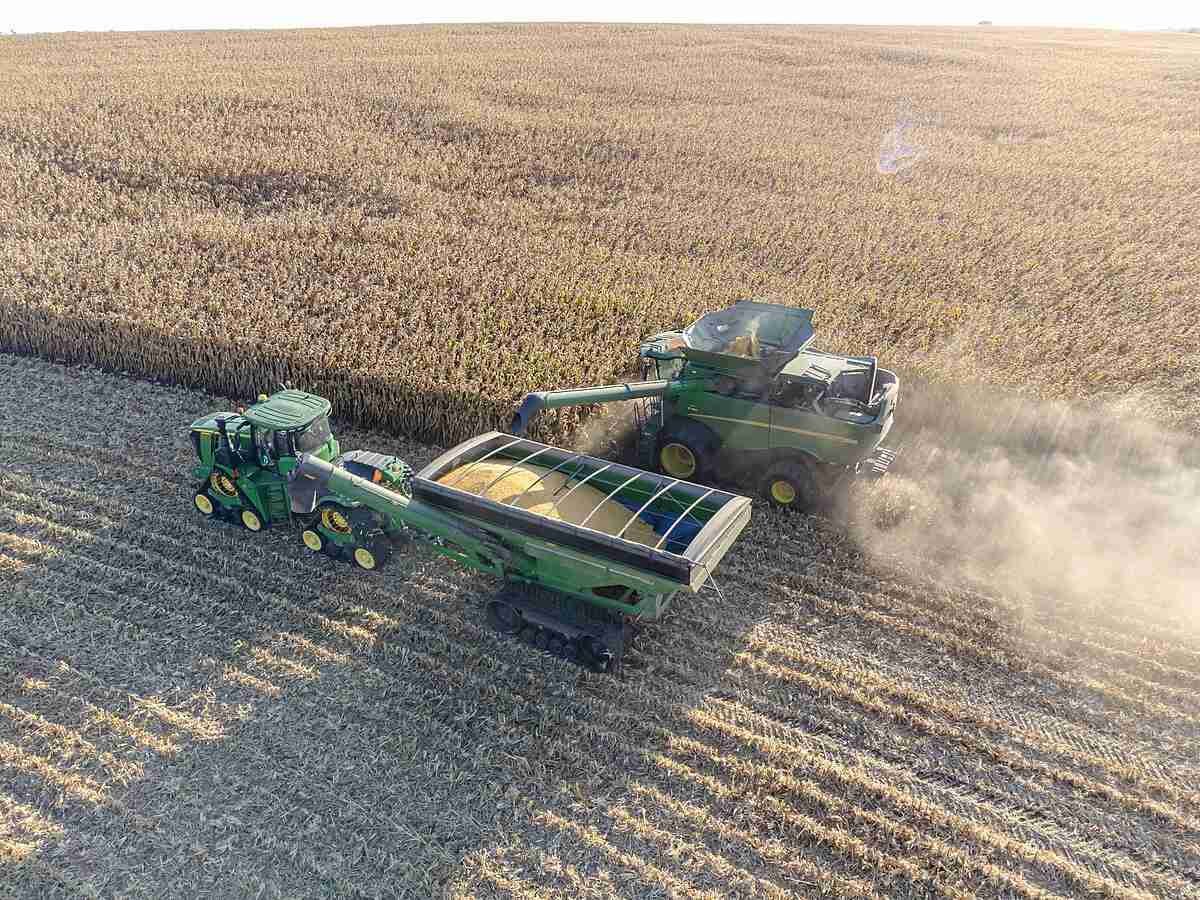
The Rise of Combine Mini Rice Mills in Modern Agriculture
The agricultural landscape is undergoing a transformation, significantly driven by innovations like combine mini rice mills. These compact and versatile machines are revolutionizing rice production, enabling small and medium-sized farmers to achieve greater efficiency in their operations. With a focus on sustainability and cost-effectiveness, these mills combine harvesting, threshing, and milling processes into one streamlined operation, reducing the need for multiple machines and extensive labor. Farmers are now leveraging this technology to maximize their yield, while also minimizing wastage and improving overall product quality.
As the demand for rice continues to rise globally, the advantages of adopting mini rice mills are becoming increasingly apparent. Key benefits include:
- Reduced Labor Costs: By automating multiple processes, farmers can save on labor expenses and allocate resources more efficiently.
- Improved Quality Control: Integrated milling processes allow for consistent quality, resulting in better market prices for their produce.
- Space Efficiency: Designed to occupy minimal space, these mills are ideal for farms with limited operating areas.
- Enhanced Accessibility: Economic accessibility makes this technology viable for a wider range of farmers, fostering equity in agricultural production.
| Feature | Benefit |
|---|---|
| Compact Design | Fits easily in small farms |
| Integrated Functions | Reduces time and manpower |
| Cost-Effective | Lower upfront investment needed |

Key Technologies Transforming Grain Processing Efficiency
The advent of innovative machinery and automated processes is reshaping the grain processing landscape. A pivotal player in this transformation is the mini rice mill, which leverages advanced technologies to enhance operational productivity significantly. These mills, characterized by their compact size and high functionality, exemplify how modern farming can integrate efficiency with sustainability. Among the most noteworthy technologies found in mini rice mills are:
- Automated Sorting Systems: These systems utilize optical sensors to identify and separate grains of varying quality, ensuring that only the finest produce makes it to market.
- Energy-Efficient Milling: With the use of high-speed motors and optimized milling processes, these machines consume less energy while maximizing output.
- Advanced Cleaning Mechanisms: Incorporating air and vibration techniques, modern mills ensure that impurities are meticulously removed from the grain, resulting in superior quality.
- Smart Monitoring: IoT integration allows for real-time monitoring of milling parameters, offering insights that help operators make informed decisions quickly.
In addition to these technologies, the economic viability of mini rice mills is enhanced by their capacity to operate in varied settings, catering to both small-scale farmers and larger agricultural enterprises. The initial investment in such high-tech machinery is offset by long-term savings in labor costs and increased yield quality. Below is a comparative overview of different rice mill technologies:
| Technology | Efficiency Rating | Initial Investment |
|---|---|---|
| Traditional Mill | Low | Low |
| mini rice mill | Medium | Medium |
| Automated Mill | High | High |
Such advancements not only carve a new path for crop processing but also support sustainable practices by minimizing waste and maximizing resources. With continued innovation, the future looks promising for grain processors equipped to meet the growing demands of the global market.
Sustainable Practices and Economic Impact of Mini Rice Mills
In recent years, mini rice mills have emerged as a cornerstone for sustainable agricultural practices, providing smallholder farmers with an efficient means of processing their produce. These compact systems not only reduce post-harvest losses but also minimize the reliance on larger, more resource-intensive milling operations. By harnessing local resources and promoting the use of renewable energy, such as solar power, these small-scale mills contribute to a circular economy that emphasizes waste reduction and resource optimization. The benefits extend beyond sustainability, encouraging community resilience through job creation and support for small businesses.
The economic impact of mini rice mills is multi-faceted, enhancing both local and regional economies. Farmers benefit from lower milling costs and improved access to markets, fostering entrepreneurial opportunities in rural areas. These mills often operate on a decentralized model, ensuring that profits remain local, which can lead to enhanced community investment. Additionally, many mini rice mills are designed to operate with minimal environmental footprint, utilizing fewer resources and promoting ethical waste management practices. As a result, they not only empower communities economically but also contribute to a sustainable agricultural future.
Guidelines for Farmers: Maximizing the Benefits of Efficient Grains
To fully harness the advantages of the combine mini rice mill, farmers should consider adopting best practices that enhance operational efficiency and yield quality results. Investing in proper training for your workforce can significantly elevate the efficacy of your grain processing. Implementing scheduled maintenance for the machinery not only prolongs its lifespan but also reduces the likelihood of costly breakdowns. Simple adjustments like keeping the milling equipment clean and calibrated ensure optimal performance. Additionally, monitoring moisture levels in harvested rice is essential; this can prevent spoilage and lead to better processing outcomes. By prioritizing these practices, farmers can transform their milling operations into a more sustainable and profitable venture.
Moreover, establishing a feedback mechanism can empower farmers to refine their methods continually. Engage with local experts and agronomists to get insights into the latest milling technologies and techniques. Forming cooperative groups for shared resources can also provide farmers with access to advanced equipment without the burden of significant investment. Consider organizing workshops where farmers can exchange ideas and share their experiences with the mini rice mill, leading to collective growth and knowledge sharing. Below is a simple guide to plausible grain management strategies utilizing the combine mini rice mill:
| Strategy | Benefit |
|---|---|
| Regular Training | Enhances skillsets and operational efficiency. |
| Scheduled Maintenance | Reduces downtime and increases equipment longevity. |
| Moisture Monitoring | Prevents spoilage and improves processing quality. |
| Cooperative Groups | Reduces costs and shares knowledge. |
To Wrap It Up
As we stand on the cusp of a new agricultural era, the combine mini rice mill emerges not just as a tool, but as a symbol of innovation and sustainability in grain processing. This revolutionary machine encapsulates the essence of efficiency, offering farmers the means to enhance productivity while minimizing waste. As we’ve explored throughout this article, the integration of technology into traditional farming practices paves the way for a more resilient future—one where small-scale operations can thrive amidst increasing demands.
The potential benefits of the combine mini rice mill extend far beyond mere convenience; they represent a shift in how we approach food production and resource management. By embracing these advancements, agricultural communities can empower themselves to meet the challenges of modern farming head-on.
In this journey toward more efficient grains, we invite readers to consider the implications of such innovations. The ripple effects on local economies, environmental sustainability, and food security are profound. As these machines find their way into fields around the world, they may just be the key to unlocking a prosperous and sustainable agricultural future.
As we conclude this exploration, let’s remember that every revolution begins with a single step—or in this case, a single mill. Here’s to honoring tradition while boldly stepping into tomorrow, guided by innovation and a shared commitment to progress.




