
In the heart of agricultural innovation, a quiet revolution is unfolding within the world of grain processing. As global demand for rice continues to soar, so too does the need for more efficient and accessible milling solutions. Enter mini rice milling machines—compact, cost-effective devices that promise to transform the landscape of grain production and processing. These technological marvels not only cater to small-scale farmers but also empower communities in remote regions, enabling them to process their harvests on-site and retain more value from their crops. As we explore the rise of these mini milling machines, we will delve into their impact on efficiency, sustainability, and economic resilience, shedding light on how they are redefining the future of rice milling in today’s rapidly evolving agricultural ecosystem.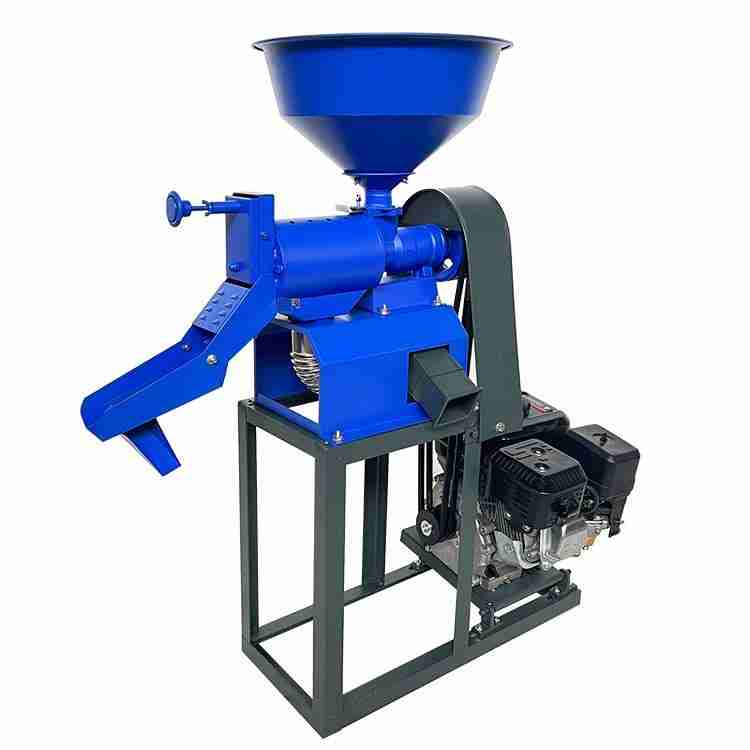
Understanding the Functionality and Benefits of Mini Rice Milling Machines
Mini rice milling machines have revolutionized the way we process rice, offering an efficient solution for small-scale farmers and local businesses. These compact machines serve multiple functions, including husking, whitening, and polishing, all in a single pass. This versatility is crucial for those looking to maximize productivity while minimizing labor costs. Their automated processes not only save time but also ensure a consistent product quality, which is essential for meeting consumer demands in local markets.
Moreover, the benefits of utilizing mini rice milling machines extend beyond mere efficiency. They are designed to be energy-efficient, requiring minimal power consumption, which reduces operational costs significantly. The machines also retain more nutritional value in the rice by limiting post-harvest losses. Some key advantages include:
- Compact Design: Easy to transport and suitable for small spaces.
- Low Maintenance Costs: Generally require less upkeep compared to larger millers.
- Affordability: A cost-effective solution for small-scale producers.
- Quality Output: Reliability in producing high-quality rice with minimal broken grains.

Transforming Local Economies through Cost-Effective Grain Processing
Across many regions, the advent of mini rice milling machines has catalyzed a revolution in agricultural economies. These compact and efficient devices enable smallholder farmers to process their rice at lower costs while simultaneously maintaining high-quality output. This grassroots transformation embodies the benefits of technology being harnessed for localized economic growth, empowering even the smallest producers to become competitive in markets that were previously out of reach. Not only do these machines reduce dependencies on larger milling operations, but they also facilitate the creation of local jobs, enhancing community resilience and fostering a sense of shared prosperity. As these innovations proliferate, they inspire a ripple effect through the agricultural supply chain, strengthening the entire ecosystem around grain processing.
Moreover, embracing local grain processing brings several advantages to communities, including:
- Cost Savings: By minimizing transportation and processing expenses, local farmers can enjoy better profit margins.
- Quality Control: Small-scale processors can uphold rigorous standards, ensuring fresh and high-quality rice gets to consumers.
- Community Engagement: Local milling encourages participation among farmers and consumers, solidifying community ties.
- Environmental Benefit: Processing rice in the vicinity reduces carbon footprints tied to transportation.
To illustrate the effectiveness of mini rice milling machines, consider the following table highlighting key features and benefits:
| Feature | Benefit |
|---|---|
| Compact Design | Ideal for small spaces and easy to transport |
| Low Operational Costs | Affordable for smallholders, increasing accessibility |
| User-Friendly Interface | Minimal training required, promoting quick adoption |
| Versatile Processing | Can handle various grain types, maximizing utility |
Sustainability and Technological Advancements in Mini Rice Milling
As the world increasingly shifts towards more sustainable practices, mini rice milling technology has emerged at the forefront of grain processing innovation. These compact machines not only enhance efficiency but also minimize waste, offering a greener solution for rice production. By utilizing advanced features like energy-efficient motors, automated systems, and precise milling techniques, producers can significantly reduce their carbon footprint. The incorporation of biodegradable materials in machine construction further reflects the industry’s commitment to sustainability, ensuring that the impact on the environment is minimized while maintaining optimal performance.
Moreover, technological advancements in mini rice milling facilitate increased accessibility for smallholder farmers, empowering them to adopt sustainable agriculture practices. Features such as solar-powered options, smart sensors, and connectivity to mobile applications provide real-time insights into the milling process, empowering farmers to make informed decisions. The following table summarizes the key benefits of integrating these technologies:
| Feature | Benefit |
|---|---|
| Energy Efficiency | Reduced operational costs and lower environmental impact. |
| Automation | Less labor required, leading to faster processing times. |
| Smart Technology | Enhanced control over milling processes for optimal yield. |
In essence, the fusion of not only enriches agricultural practices but also lays the groundwork for a more environmentally conscious future. By prioritizing innovation, the sector is poised to cater to the growing demand for responsibly-sourced rice while supporting the livelihoods of farmers worldwide.
Best Practices for Implementing Mini Rice Milling Solutions in Small Farms
Implementing mini rice milling solutions in small farms requires thoughtful planning and execution to optimize productivity and efficiency. Key considerations include selecting the right machine based on farm size and specific needs. Farmers should assess their production capacity and consider the milling output required to meet market demand. Additionally, investing in energy-efficient models not only reduces operating costs but also supports sustainable farming practices. Regular training for farm workers on how to operate and maintain the machinery is essential, ensuring that the equipment functions optimally and has a longer lifespan.
Moreover, creating a streamlined workflow can significantly enhance processing speed and output. Best practices for operational efficiency include:
- Implementing a scheduling system for planting and harvesting to align with milling operations.
- Establishing a quality control protocol to ensure the rice meets market standards.
- Utilizing storage solutions that maintain grain quality post-harvest.
Utilizing technology, such as grain moisture meters and automated systems, can also contribute to precise milling processes, reducing waste and maximizing yield. Partnerships with local agricultural cooperatives can further enhance accessibility to resources and market opportunities, creating a supportive ecosystem for small-scale farmers.
The Way Forward
As we draw the curtain on our exploration of the burgeoning field of efficient grain processing, it becomes clear that mini rice milling machines represent much more than just a technological trend—they are a transformative force poised to redefine how small-scale farmers and rural communities engage with agriculture. By marrying innovation with sustainability, these compact giants are not only enhancing productivity but also fostering economic resilience in regions where every grain counts.
In a world where food security is increasingly pressing, the rise of these machines underscores a pivotal shift towards localized processing solutions that empower individuals while safeguarding traditional practices. As we advance, the potential integration of smart technologies and eco-friendly practices within mini rice milling continues to promise a brighter, more efficient future for grain processing.
The journey may be just beginning, but one thing is certain: the humble rice grain, once simply a staple, is now at the forefront of a revolution in how we think about food production and sustainability. As we look ahead, let us embrace the possibilities that lie within this tiny powerhouse and recognize the significant role it plays in shaping our agricultural landscape. After all, in every handful of rice processed lies a world of opportunity waiting to be harvested.




