
In a world where efficiency and convenience reign supreme, the agricultural sector is not immune to the demand for innovation and practicality. Amidst this backdrop, a quiet revolution is taking place in rice milling—an age-old practice that has sustained communities for centuries. Enter the compact rice milling machines, heralding a new era where technology meets tradition in one neat package. These mini marvels are transforming the landscape of rice processing, making it accessible for smallholder farmers and entrepreneurs alike. As we delve into the rise of these compact solutions, we explore how they are reshaping not only the economics of rice production but also the lives of those who depend on this staple crop for their livelihood. Join us on a journey through the grains of innovation as we unveil the fascinating story behind the ascent of mini rice milling machines.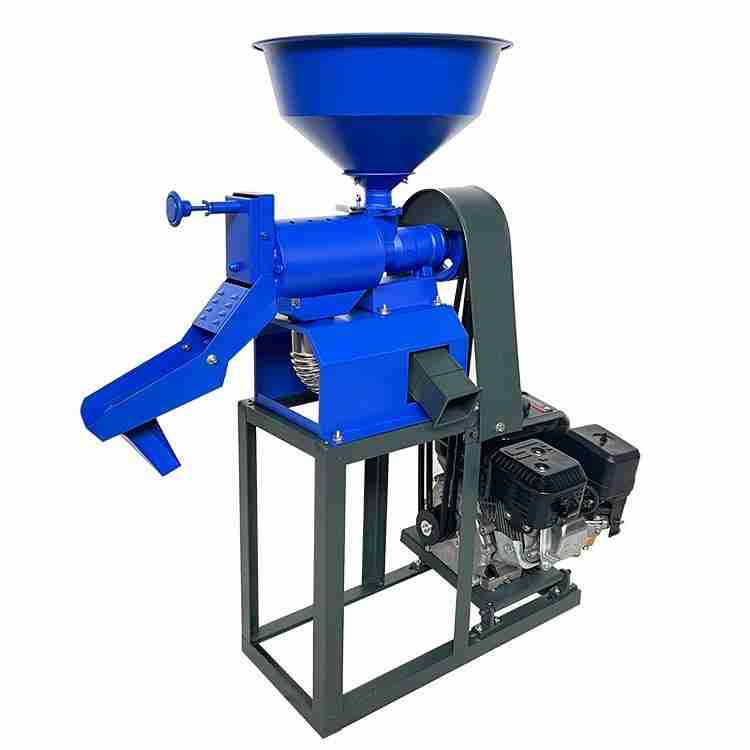
Understanding the Mechanics: How Mini Rice Milling Machines Work
Mini rice milling machines employ a series of sophisticated mechanisms to transform paddy into polished rice efficiently. At their core, these machines typically feature a feeding system designed to receive whole grains, a husking unit that removes the outer husk, and a milling chamber where the actual transformation occurs. The husking is facilitated by the use of rubber rollers that gently crack the husk without damaging the grain itself. Following this, the grains move to a milling mechanism that utilizes steel blades or abrasive surfaces to remove the bran layer, resulting in white rice. The whole process is powered by a compact motor, which enhances the machine’s efficiency while minimizing energy consumption.
To optimize the performance of mini rice milling machines, manufacturers integrate various technological innovations. For instance, the cleaning system often includes sieves and aspirators that remove dust and impurities before milling, ensuring a higher quality end product. Additionally, many models now come equipped with automatic controls that monitor moisture levels, adjust settings on-the-fly, and enhance overall user experience by simplifying operation. Below is a comparison of different mini rice milling machines, highlighting key features:
| Model | Husking Efficiency | Milling Capacity (kg/h) | Power Consumption (kW) |
|---|---|---|---|
| Model A | 90% | 250 | 2.2 |
| Model B | 85% | 200 | 1.8 |
| Model C | 92% | 300 | 2.5 |

The Benefits of Compact Rice Milling: Efficiency and Accessibility
The emergence of mini rice milling machines has significantly transformed the agricultural landscape, particularly in regions where rice is a staple crop. These compact machines enable smallholder farmers and cooperatives to mill their produce efficiently, eliminating the need for larger, more expensive machinery that often remains underutilized. With reduced energy consumption and minimal footprint, these machines not only save costs but also enhance productivity in rural farming communities. Accessibility becomes a vital advantage as small-scale farmers can invest in these affordable solutions, elevating their grain processing capabilities while fostering local economies.
Moreover, compact rice milling offers versatility and simplicity, making it easier for operators to learn and manage the milling process. Features like integrated cleaning and husking mechanisms streamline operations, ensuring high-quality rice output with less labor and maintenance required. Here are some key benefits of compact rice milling:
- Cost-Effective: Lower initial investment and operating costs.
- Improved Quality: Retains the nutritional value of rice through efficient processing.
- Portability: Lightweight and easily transportable for diverse settings.
- Community Empowerment: Promotes self-sufficiency and local entrepreneurship.
| Feature | Advantage |
|---|---|
| Compact Design | Saves space in small farms |
| Energy Efficiency | Lower electricity bills |
| Easy Operation | Minimal training required |
| Multi-Functionality | Mills, cleans, and sorts |
Choosing the Right Model: Key Features to Consider
When considering a mini rice milling machine, several crucial features can significantly influence your decision. The milling capacity is paramount, as it determines how much rice can be processed in a given time frame. Most mini machines cater to small-scale operations, ideally ranging from 100 kg to 500 kg per hour. In addition, the motor power should align with your expected output; a machine with a higher wattage will generally offer a more efficient milling process. Compact solutions also emphasize energy efficiency—a benefit not only for the environment but also for your operational costs. Additional features like noise reduction technology can enhance user experience, making the machine more suitable for use in residential areas or small businesses.
Another vital aspect to examine is the versatility of the machine. Many mini rice milling machines come equipped to handle various types of grains, which can diversify your production capabilities. Assessing the ease of operation is also essential; features such as user-friendly interfaces and automated settings can save time and reduce labor costs. Durability is critical as well; look for materials like stainless steel, which promise longevity and lower maintenance over time. Lastly, consider the after-sales service and support provided by the manufacturer, ensuring that help is readily available when needed.
Future Trends in Rice Milling Technology: Innovations on the Horizon
As the demand for rice continues to grow, innovation in milling technology is driving a shift towards more compact, efficient solutions. The emergence of mini rice milling machines caters specifically to small-scale farmers and micro-enterprises, making rice processing more accessible than ever. These compact machines are characterized by their ability to handle smaller quantities of rice while maintaining high-quality output. They are designed for ease of use and maintenance, often featuring user-friendly interfaces and modular components that can be easily replaced or upgraded.
Key features of these compact solutions include:
- Energy Efficiency: Mini rice milling machines are engineered to consume less energy compared to their larger counterparts, making them both cost-effective and environmentally friendly.
- Versatility: These machines can process various rice varieties, allowing users to diversify their offerings and cater to different market needs.
- Portability: Lightweight and compact, they can be easily transported, enabling processing in remote areas and reducing logistics costs.
| Feature | Benefit |
|---|---|
| Compact Design | Space-saving and convenient for small operations |
| Affordable Pricing | Lower entry barrier for new entrepreneurs |
| Low Maintenance Costs | Reduced operational expenses for small businesses |
As advancements in technology continue to shape the rice milling landscape, it is anticipated that mini rice milling machines will become more sophisticated, integrating features such as automated monitoring systems, data analytics, and IoT connectivity. These innovations not only promise to enhance productivity but also offer users better insights into their milling operations, further optimally aligning them with market demands and reducing waste. The future of rice milling is undoubtedly leaning towards these compact and intelligent solutions, empowering local economies and supporting sustainable agricultural practices.
To Wrap It Up
As we navigate the evolving landscape of agricultural technology, it’s clear that the rise of mini rice milling machines represents more than just innovation in farming practices; it embodies a shift towards efficiency, sustainability, and accessibility. These compact solutions, designed to meet the diverse needs of smallholder farmers, are paving the way for a brighter, more self-sufficient future in rice production. With their ability to reduce labor costs and enhance the quality of processing, mini rice milling machines are not just a tool, but a partner in the quest for food security and economic empowerment. As we embrace this new era, it is our hope that these machines will continue to evolve, bridging the gap between tradition and modernity and enabling farmers around the world to thrive in an increasingly competitive marketplace. The journey is just beginning, and the potential for innovation within this compact realm is boundless. Let us look forward to what’s next on the horizon of rice milling technology.




