
Unveiling the Secrets of Modern Corn Processing Techniques
As one of the most versatile and widely cultivated crops in the world, corn is a staple that finds its way into countless products we consume daily, from food to biofuels. Yet, behind this golden grain lies a complex world of processing techniques that transform raw kernels into an array of valuable ingredients and materials. In the age of innovation, modern corn processing has evolved significantly, leveraging advanced technology and sustainable practices to meet the demands of a growing population. This article invites you to explore the intricate processes that unravel the potential of corn, shedding light on methods that enhance efficiency and sustainability while maintaining quality. Join us as we delve into the science and artistry of corn processing, revealing the secrets that make this humble crop a cornerstone of contemporary industry.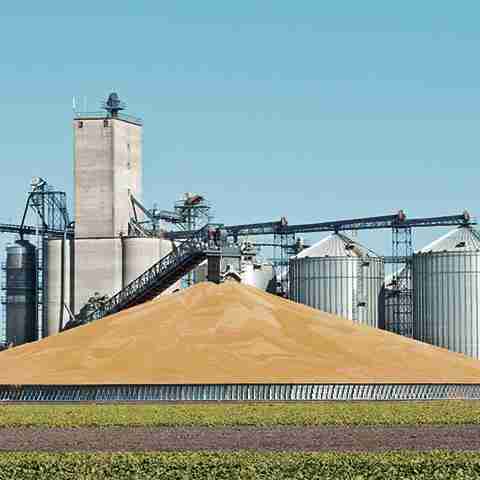
Exploring Innovative Corn Milling Methods for Enhanced Efficiency
In the quest for increased efficiency in corn milling, several innovative methods have emerged that not only optimize resource usage but also enhance product quality. One such method involves high-energy milling, which utilizes advanced machinery to achieve a finer particle size while minimizing the energy consumption typically associated with traditional milling processes. This technique allows for better extraction of nutritional components, such as proteins and fibers, making the end products more desirable for both consumers and manufacturers. Additionally, dry milling techniques are gaining traction, as they streamline production by reducing the need for water and other additives, thus lowering operational costs and environmental impact.
Another noteworthy advancement is the implementation of automated control systems that monitor and adjust milling parameters in real-time. This technology not only ensures optimal performance but also significantly reduces the likelihood of human error, leading to more consistent product quality. Among these systems, smart sensors play a crucial role in analyzing moisture content and particle size during the milling process. The integration of such technology can transform traditional operations into highly efficient systems that are responsive to dynamic market demands. A concise comparison of various modern corn milling methods is illustrated below:
| Method | Efficiency | Benefits |
|---|---|---|
| High-Energy Milling | Increased | Finer particle size, lower energy consumption |
| Dry Milling | Streamlined | Reduced water usage, minimized costs |
| Automated Control Systems | Optimized | Consistent quality, reduced errors |
| Smart Sensors | Responsive | Real-time monitoring and adjustments |

Understanding the Role of Enzymes in Corn Processing Quality
In the intricate world of corn processing, enzymes act as the unseen heroes, intricately involved in transforming raw corn into high-quality products. These biological catalysts are essential for breaking down complex carbohydrates into simpler sugars, thereby enhancing fermentability in processes such as ethanol production. Their role extends beyond mere breakdown; enzymes facilitate the extraction of valuable components, ensuring maximum yield and efficiency. The selection of specific enzyme blends tailored to the unique characteristics of the corn variety can lead to significant improvements in processing outcomes, enabling manufacturers to boost quality while minimizing waste.
Key enzyme types utilized in corn processing include:
- Amylases: These enzymes accelerate the conversion of starches into fermentable sugars, crucial for both food and biofuel industries.
- Proteases: They assist in breaking down proteins, improving the overall digestibility of corn-based products.
- Cellulases: Targeting cellulose, these enzymes help release sugars from cell walls, enhancing overall yield.
Understanding the optimal application of these enzymes not only leads to improved product consistency and quality but also reduces energy consumption during processing. Recent advancements in enzyme technology have opened new avenues for enhancing process efficiencies, allowing producers to meet the rising demand for corn-derived products that are both environmentally and economically sustainable.

Sustainability Practices in Modern Corn Production and Processing
In today’s agricultural landscape, sustainable practices have emerged as a cornerstone for modern corn production and processing. Farmers are increasingly adopting crop rotation techniques to enhance soil health and reduce pest populations. This practice not only revitalizes the nutrient content in the soil but also minimizes the reliance on chemical fertilizers and pesticides. Additionally, the integration of precision agriculture tools—such as GPS and remote sensing—allows farmers to monitor their fields more accurately, optimizing resource use and, ultimately, reducing their environmental footprint. Water management is another vital aspect, where systems like drip irrigation and rainwater harvesting help conserve water while ensuring that crops receive the necessary hydration.
On the processing side, sustainable practices have paved the way for innovative methods that prioritize energy efficiency and waste reduction. Many modern processing facilities utilize biogas technologies, converting organic waste from corn processing into renewable energy. This not only powers operations but reduces greenhouse gas emissions significantly. Furthermore, the adoption of closed-loop systems enables the recycling of water and other resources within the facility, decreasing the need for freshwater and minimizing effluent discharge. The commitment to sustainability resonates throughout the supply chain, from the field to the market, fostering a greener approach to meet the demands of eco-conscious consumers.
| Practice | Benefit |
|---|---|
| Crop Rotation | Enhances soil health |
| Precision Agriculture | Optimizes resource use |
| Drip Irrigation | Conserves water |
| Biogas Technologies | Reduces waste & emissions |
| Closed-Loop Systems | Minimizes resource waste |
Future Trends in Corn Processing Technologies and Market Implications
As the corn processing industry continues to evolve, several innovative technologies are poised to reshape operations and enhance efficiencies. Advances in biotechnology are leading the way, allowing for the development of genetically engineered corn varieties that not only promise higher yields but also improved nutritional profiles. Furthermore, the integration of automation and AI in processing facilities can streamline production, reduce labor costs, and minimize waste. With the surge in demand for plant-based products, these technologies offer a competitive edge, enabling producers to quickly adapt to changing market preferences.
In light of these innovations, market implications are significant. The increasing acceptance of sustainable practices among consumers is prompting the industry to explore more eco-friendly processing methods, which may include biobased extraction techniques. Additionally, investments in renewable energy sources for processing facilities not only appeal to environmentally-conscious consumers but also align with global trends towards sustainability. As these technologies mature, businesses can anticipate shifts in pricing structures driven by both supply and demand dynamics, alongside potential trade-offs in product quality and variety.
| Technology | Market Impact |
|---|---|
| Biotechnology | Higher yield & nutritional profiles |
| Automation & AI | Cost reduction & efficiency |
| Sustainable Practices | Consumer trust & brand loyalty |
| Renewable Energy | Lower carbon footprint & compliance with regulations |
In Retrospect
As we draw the curtain on our exploration of modern corn processing techniques, it becomes evident that this seemingly humble grain plays a pivotal role in our daily lives, far beyond its status as a staple food. From the innovative methods that maximize yield and efficiency to the intricate technologies that enhance quality and sustainability, the evolution of corn processing reveals a dynamic intersection of tradition and modernity.
Understanding these processes not only enriches our appreciation for corn as a versatile ingredient but also highlights the ingenuity and dedication of those in the agricultural and food production industries. As we continue to navigate the challenges of a growing global population and the need for sustainable practices, the secrets unveiled here promise to guide us toward a more fruitful and responsible future.
In the world of corn, the journey from field to table is a story of transformation—one that invites us to savor every bite with renewed mindfulness. Let us celebrate the advancements that allow us to enjoy this age-old grain in ways our ancestors could scarcely imagine, while staying rooted in a commitment to preserve the land that nurtures it. So, as you stand in your kitchen or at your favorite restaurant, remember that the next time you encounter corn, you are experiencing not just a food but a technological marvel, carefully crafted through centuries of innovation.




