
In the heart of America’s heartland lies a humble yet powerful crop that has fed civilizations for centuries – corn. While many may see it simply as a staple in our diet, the intricate process of turning corn into the diverse array of products we know and love is a true marvel. Join us as we delve into the world of corn processing, unveiling the secrets that keep this golden grain at the forefront of our food industry.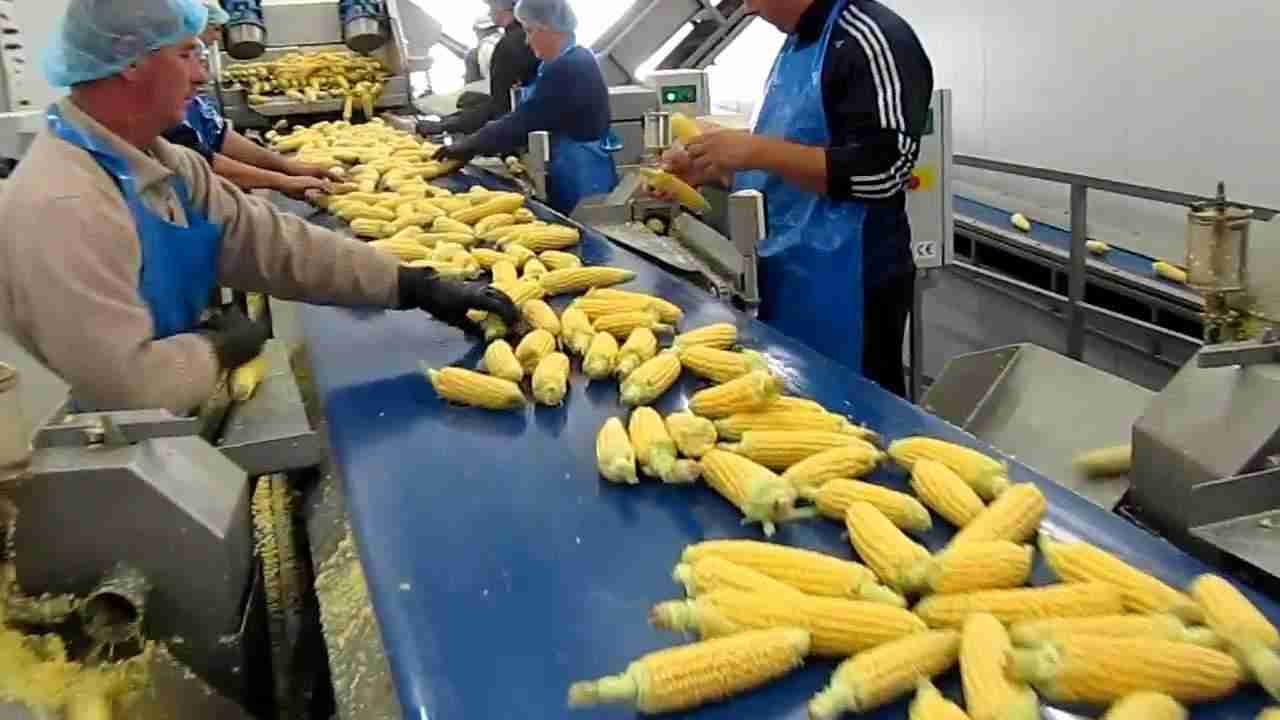
Exploring the Importance of Corn Processing in Food Production
Corn processing plays a vital role in food production, contributing to a wide range of products that we consume on a daily basis. From staple foods like cornmeal and corn flour to popular snacks like popcorn and corn chips, corn processing is essential for creating a diverse array of food items. The process of corn processing involves several key steps, each of which is crucial in transforming raw corn into various edible products.
One of the main reasons why corn processing is so important in food production is its versatility. Corn can be processed into different forms such as grits, starch, syrup, and oil, each of which serves as a key ingredient in many recipes. Additionally, corn processing helps to extend the shelf life of corn-based products, making them more accessible to consumers around the world. By unlocking the potential of corn through processing, food manufacturers are able to create a wide range of products that cater to different tastes and dietary preferences.
Understanding the Various Techniques Used in Corn Processing
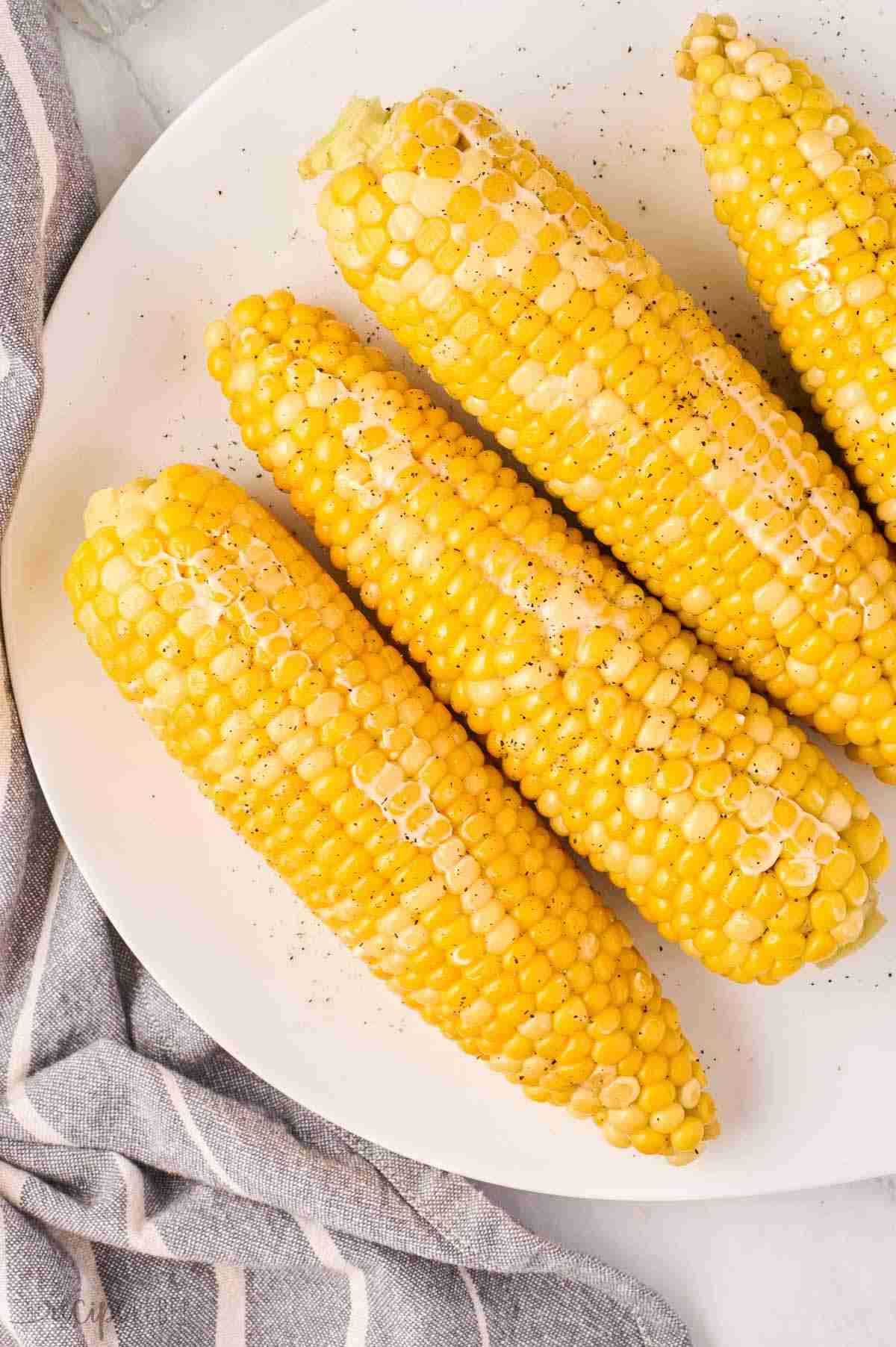
When it comes to corn processing, there are a variety of techniques used to transform this versatile crop into a wide range of products. One common method is dry milling, where the corn kernels are ground into flour that can be used in baking or cooking. Wet milling, on the other hand, involves soaking the corn in water and then separating the various components to create products like corn syrup and starch.
Another technique used in corn processing is fermentation, where the sugars in corn are converted into alcohol to make products like ethanol or whiskey. Additionally, popping and flaking are methods used to create popular snacks like popcorn and corn flakes. By , we can appreciate the diverse range of products that can be derived from this humble grain.
Uncovering the Key Challenges Faced in Corn Processing
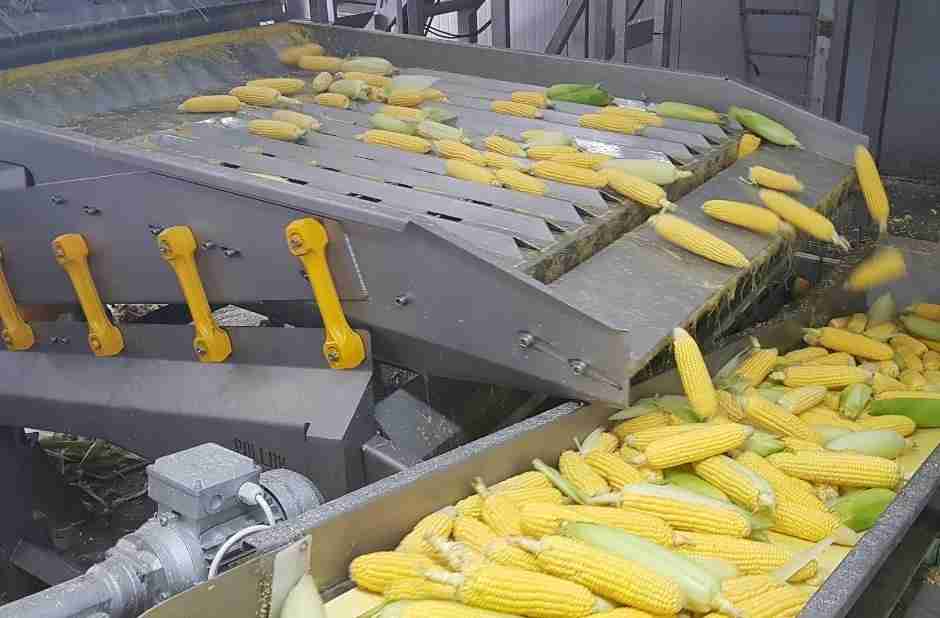
When it comes to corn processing, there are several key challenges that businesses in the industry face on a daily basis. One of the main issues is the variability of raw materials. Corn quality can fluctuate depending on factors such as weather, harvest conditions, and storage methods. This inconsistency can make it difficult to maintain product standards and consistency.
Another challenge in corn processing is the technological advancements required to keep up with the demand for efficiency and sustainability. Companies must invest in state-of-the-art equipment and processes to maximize yield, reduce waste, and minimize environmental impact. Additionally, ensuring food safety and regulatory compliance adds another layer of complexity to the corn processing process.
Best Practices for Efficient and Sustainable Corn Processing
Corn processing is an essential part of many industries, from food production to ethanol manufacturing. To ensure efficiency and sustainability in corn processing, there are several best practices that companies can follow. One key practice is to invest in modern equipment and technology that can increase production output while reducing waste. Using state-of-the-art machinery allows for better control over the processing parameters, resulting in higher quality products.
Another important aspect of efficient and sustainable corn processing is implementing proper waste management strategies. By finding creative ways to reuse byproducts and minimize waste generation, companies can reduce their environmental impact and improve their bottom line. Additionally, optimizing the use of resources such as water and energy can help lower operating costs and contribute to a more sustainable operation in the long run.
To Conclude
As we peel back the layers of corn processing, we begin to see the intricate web of techniques and technology involved in bringing this humble grain to our tables. From the ancient civilizations who first cultivated it to the cutting-edge advances of today, corn continues to hold its place as a staple in our diets. We hope this journey through the secrets of corn processing has shed light on the fascinating world of agriculture and food production. May you never look at a corn cob the same way again. Stay curious, stay hungry, and remember to always appreciate the magic that goes into the food we eat.




