
Unveiling the Process: The Art and Science of Cereal Milling
In the quiet hum of milling facilities around the world, an intricate dance of art and science unfolds—a delicate balance between tradition and innovation, where centuries-old practices intertwine with cutting-edge technology. Cereal milling, often overlooked in the grand tapestry of food production, serves as the cornerstone for countless staples that grace our tables. From the golden fields of wheat to the finely sifted flour that transforms into bread, pastries, and beyond, this essential process is shrouded in both complexity and craftsmanship.
As we embark on a journey to unravel the intricacies of cereal milling, we will explore how the interplay of biology, engineering, and artisanal skills converges to create the flours that support our culinary endeavors. Whether you are a baking enthusiast, a foodie, or simply curious about the origins of your daily bread, join us as we delve into the fascinating world of cereal milling, peeling back the layers to reveal the science behind this vital art.
Exploring the Historical Evolution of Cereal Milling Techniques
The journey of cereal milling techniques is as rich and diverse as the grains themselves. From ancient civilizations that harnessed the power of simple hand tools to the advent of mechanized processes in the Industrial Revolution, the methods used to transform raw grains into flour have evolved significantly. Early milling practices relied on manual techniques, such as stone grinding using querns, which allowed for a basic, yet effective, means of producing flour. Over time, innovations emerged, integrating animal power and water mills to enhance efficiency, thus facilitating the production of larger quantities of flour to meet the needs of growing populations. The transition from these rudimentary methods to mechanical mills revolutionized cereal processing, leading to the establishment of commercial milling enterprises.
In the 19th century, the introduction of the roller milling system marked a turning point in cereal milling technology. This method utilized steel rollers to progressively reduce grain particles while preserving essential nutrients. The resultant flour was finer and more consistent, catering to the demands of an expanding food market. Today’s milling techniques continue to build upon this foundation, showcasing advanced technology such as computerized control systems and vacuum transport systems for increased sanitation and efficiency. Moreover, a modern approach to milling emphasizes sustainability and the nutritional value of the final product. With the rise of artisanal milling practices, consumers now seek out flour that is not only produced through innovative methods but also imbued with a sense of history and craftsmanship. The evolution of milling techniques exemplifies a blend of art and science, reflecting the ongoing quest for innovation within the food industry.
Understanding the Grain: Selection and Quality Assessment
When it comes to cereal milling, selecting the right grain is crucial to achieving the desired end product. Farmers, millers, and food scientists work together to ensure that only the best grains are harvested and milled, taking into account several key factors that influence quality. The characteristics to consider during selection include:
- Kernel Hardness: Hard kernels typically yield higher extraction rates, while softer kernels may produce finer flour.
- Protein Content: The protein levels in grains affect the dough’s strength and elasticity, playing a pivotal role in the baking quality of the flour.
- Moisture Level: Ideal moisture content is essential for effective milling; too much moisture can lead to spoilage, while too little can result in poor milling performance.
Quality assessment involves a variety of tests that ensure the grain meets industry standards before it enters the milling process. Millers often employ a systematic approach to evaluate the grains, utilizing techniques such as:
| Test | Description | Purpose |
|---|---|---|
| Falling Number Test | Measures enzyme activity affecting germination | Determines the flour’s baking performance |
| Sieve Analysis | Evaluates granulation by separating particles | Ensures uniform particle size for consistent milling |
| Color Analysis | Assesses the hue of the grain | Affects consumer perception and marketability |
This blend of art and science in selecting and assessing grain quality not only defines the standards of cereal milling but also impacts the entire food production chain, ultimately influencing the taste, texture, and nutritional value of the food products that reach consumers.
The Milling Process Demystified: From Grain to Flour
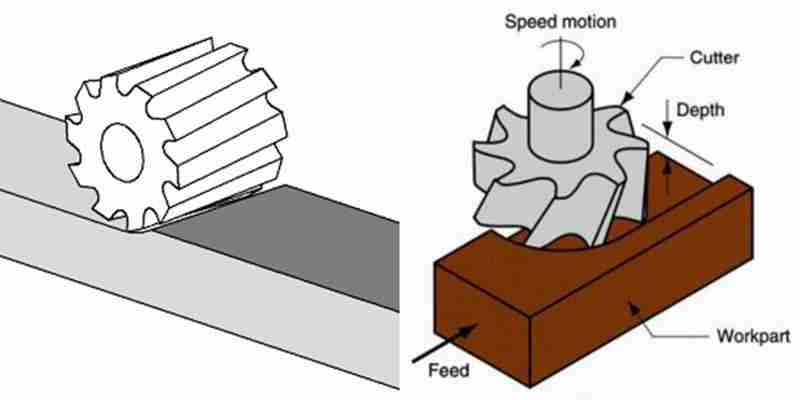
The journey from grain to flour is a magnificent blend of art and technology, transforming humble seeds into a versatile ingredient that forms the foundation of culinary creativity. Initially, whole grains are meticulously selected for their quality and specific characteristics. Once harvested, these grains undergo a thorough cleaning process, where impurities like stones, dust, and chaff are meticulously removed. The cleaned grains are then conditioned, adjusting their moisture content to optimize the milling process. This prevents breakage and enhances extraction efficiency, ensuring that we maximize the flour yield with the best possible quality.
After conditioning, the milling process commences, employing various techniques to break down the grains. This encompasses several stages:
Flour types vary in their protein content, affecting their baking properties. The following table summarizes some common types of flour:
| Flour Type | Protein Content | Best For |
|---|---|---|
| All-Purpose Flour | 10-12% | Bread, Cakes, Pastries |
| Whole Wheat Flour | 13-15% | Bread, Muffins |
| Cake Flour | 7-9% | Cakes, Cookies |

Innovative Technologies Shaping the Future of Cereal Production
The landscape of cereal production is rapidly transforming, driven by cutting-edge technologies that enhance efficiency and sustainability. One of the most significant advancements is precision agriculture, utilizing satellite imagery and IoT devices to gather data on soil health and crop performance. This approach enables farmers to make informed decisions about planting, irrigation, and pest control, ultimately maximizing yield while minimizing resource consumption. Additionally, the integration of robotics in harvesting and sorting processes reduces the labor-intensive aspects of cereal production, allowing for faster and more accurate processing on a larger scale.
Moreover, as the demand for organic and gluten-free products escalates, biotechnology plays a crucial role in developing new cereal varieties that are not only resilient to climate change but also tailored to meet consumer preferences. Innovations such as genome editing and bioinformatics are paving the way for creating crops with enhanced nutritional profiles and better disease resistance. As these technologies evolve, they signal a new era in cereal milling where efficiency meets ecological responsibility, showcasing the harmonious blend of art and science in producing the grains of the future.
Future Outlook
As we conclude our journey through the intricate world of cereal milling, we find ourselves at the intersection of art and science, where tradition meets innovation. The process of transforming raw grains into the breakfast staples we cherish involves not only mechanical precision but also a deep-rooted understanding of the materials at hand. Each step, from harvesting to milling, is a carefully orchestrated dance that ensures quality and consistency in every grain.
In unveiling the layers of this craft, we’ve come to appreciate the dedication of millers whose expertise shapes our daily nourishment. Their work does not merely feed our bodies; it enriches our culinary landscapes and connects us to the cycles of nature. As consumer awareness grows, so too does the importance of sustainable practices within the milling industry—fostering a future that respects both the grains and the land from which they come.
cereal milling is more than a technical process; it’s a testament to human ingenuity and the harmonious relationship we share with the earth’s bounty. With an ever-evolving landscape, we remain curious about what lies ahead in this fascinating field. So, the next time you pour a bowl of cereal, take a moment to appreciate the art and science behind it—the millers, the machines, and the grains all woven into a narrative of nourishment and tradition.




