unveiling the process: A Journey Through Maize Milling
In the heart of many cultures lies a humble grain—a staple that has nourished generations and shaped civilizations. Maize,or corn as it is often called,is more than just a crop; it is a cornerstone of culinary traditions across the globe. Yet, before it can transform into the beloved tortillas, polentas, or cornbreads that grace our tables, maize undergoes a engaging journey through the milling process. This journey, often overlooked, reveals the intricate conversion from field to flour and the meticulous craftsmanship that brings this versatile grain into our kitchens. Join us as we peel back the layers of maize milling, exploring the methods, machinery, and mindful practices that unlock the potential of one of the world’s most cherished crops. Whether you are a culinary enthusiast, a farming aficionado, or simply curious about the origins of your food, this exploration promises to shed light on an essential yet understated facet of our agricultural heritage.
Understanding the Anatomy of Maize Milling
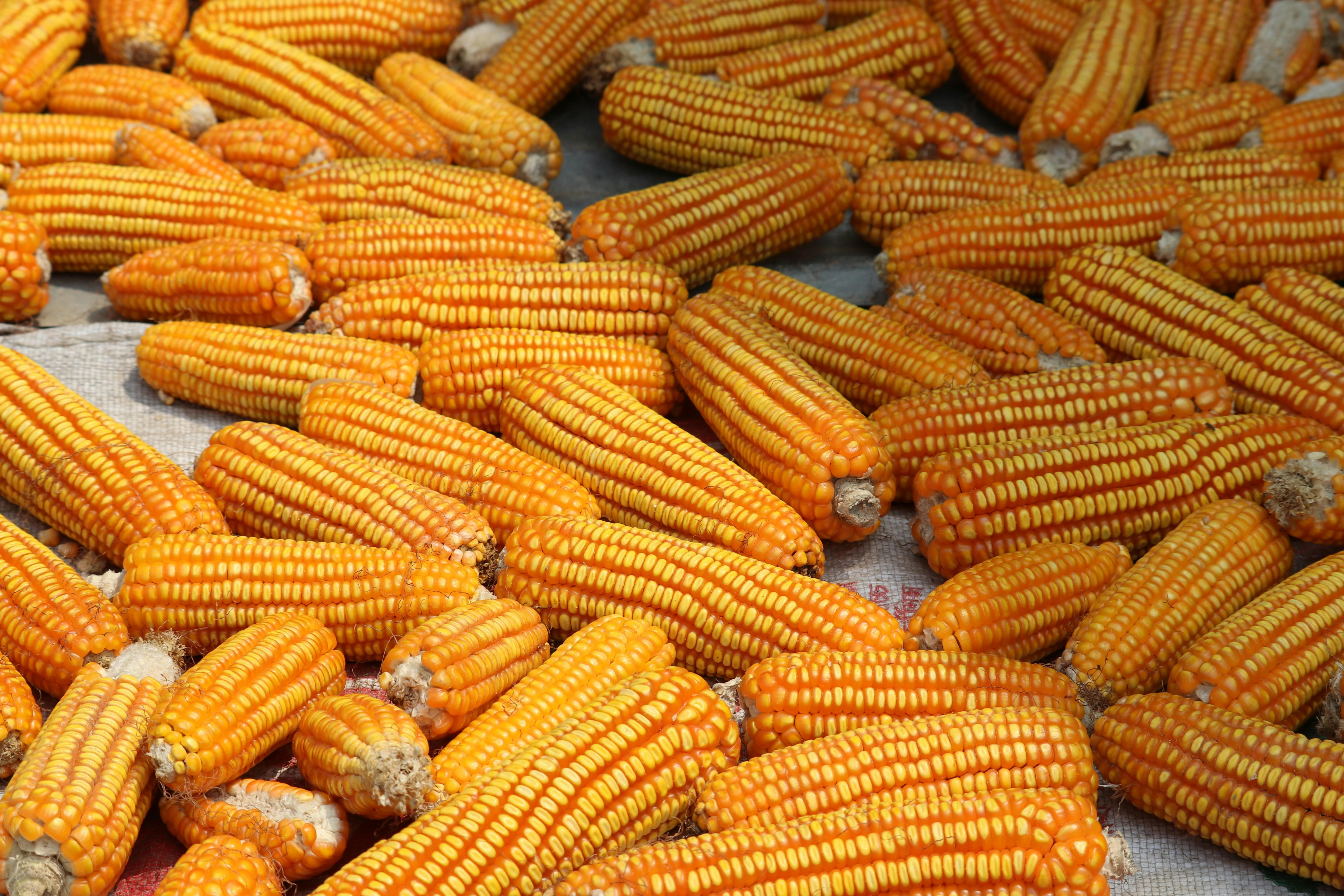
To truly appreciate the intricacies of maize milling, it’s essential to break down its anatomy.The process begins with raw maize kernels, which possess a unique structure—comprising the pericarp (outer layer), endosperm (starchy core), and germ (embryo). Each component plays a crucial role in determining the final product’s quality and suitability for various culinary applications. The milling process typically involves a series of mechanical operations designed to separate and refine these parts,ensuring that the resulting flour or meal meets specific standards.
Throughout milling, several stages are of paramount importance:
- Cleaning: Removing impurities such as stones, dust, and other foreign materials.
- Conditioning: Moistening the kernels to facilitate easier separation of the endosperm during grinding.
- Grinding: The core stage where kernels are broken down into flour or meal using various milling machines.
- Sieving: Classifying the milled product by size and texture, ensuring a consistent product.
- Packing: the finished product is expertly packaged for distribution and sale.
| component | Function |
|---|---|
| Pericarp | Protects the kernel and contributes to fiber content. |
| Endosperm | Rich in starch,provides energy and is the main source for flour. |
| Germ | Source of nutrients and oils, often utilized in health products. |

From Field to Flour: The Essential Steps in Maize Processing
Turning maize from its vibrant yellow cob into fine flour is a meticulous process that requires precision and care. The journey begins in the field, where maize is harvested at its peak ripeness. This step is crucial, as the moisture content and quality of the grains directly impact the final product. Onc harvested, the maize undergoes a thorough cleaning process to remove impurities, such as stems, dirt, and stones. Following this, the maize is dried, ensuring optimal moisture levels before it enters the milling phase. At this stage, farmers and millers work hand-in-hand to determine the best practices for handling and storing the crop, which can considerably enhance the overall quality of the flour produced.
The milling process itself unfolds through a series of specialized steps designed to extract the fine flour without compromising its nutritional value. First, the dried kernels are softened by soaking in water, allowing for easier separation of the grain from its hull. After the soaking, the maize is subjected to mechanical processes that include grinding and sifting. The resulting flour is then classified based on desired particle size and quality, addressing preferences for different culinary applications. Here’s a snapshot of the milling stages:
| Stage | Description |
|---|---|
| Harvesting | Collection of mature maize ears from the fields. |
| Cleaning | Removal of foreign materials and impurities. |
| Drying | Bringing moisture levels to optimal for storage. |
| Milling | Grinding and sifting to produce the final flour. |
Innovative Techniques in Maize Milling for Enhanced Efficiency
In the ever-evolving landscape of maize milling, innovative techniques are paving the way for enhanced efficiency and sustainability. One of the most notable advancements is the introduction of advanced mechanical systems, designed to optimize every phase of the milling process. These systems utilize cutting-edge sensors and automation technologies to monitor and regulate parameters like moisture content and particle size in real time. As an inevitable result, millers can achieve higher yields with significantly less energy consumption, ultimately minimizing the environmental footprint associated with large-scale milling operations.
Another groundbreaking technique is the application of wet milling coupled with enzyme technologies, which enhances the extraction of valuable components from maize. This method not only increases the quantity of starch extracted but also improves the quality of the final product, allowing for the production of premium maize flour. Additionally,the deployment of data analytics technologies in the milling process facilitates predictive maintenance,reducing downtime and operational costs. The integration of these modern methodologies signals a transformative era for maize milling, where efficiency and product quality go hand-in-hand.

Quality Control in Maize Milling: Best Practices and Recommendations
in the intricate landscape of maize milling, maintaining high standards of quality is vital to ensure the safety and satisfaction of consumers.Implementing robust quality control measures can make a significant difference in the final product. Effective practices include regular equipment maintenance to prevent malfunctions that could affect grain quality and processing efficiency. Additionally, the adoption of infared moisture meters allows millers to monitor moisture content consistently, ensuring that the maize is processed at optimal levels. Other recommended practices entail:
- Raw Material Inspection: Use stringent criteria for selecting maize grains.
- Batch Testing: conduct frequent tests on production batches for consistency in texture and flavor.
- Employee Training: Educate staff on best practices in handling and processing maize.
Moreover, keeping detailed records plays a crucial role in quality assurance. Not only does it provide insights into historical performance, but it also aids in identifying patterns that could indicate potential issues. Implementing a systematic quality control checklist ensures that each stage of the milling process adheres to established standards. In support of this, a simple overview table may highlight key quality indicators:
| Quality indicator | Target Value | Monitoring Frequency |
|---|---|---|
| Moisture Content | 13% – 15% | Every batch |
| Grain Purity | 98%+ | Daily |
| Feed Extraction Rate | 70% – 75% | Weekly |
Key Takeaways
As we conclude our exploration of maize milling, it is clear that this process is more than just a series of mechanical steps; it is a journey that connects us to the very essence of agriculture and sustenance. From the vibrant fields where maize is cultivated to the rhythmic whir of grinding mills, each stage reflects the blend of tradition and innovation that has defined this age-old practice.
Understanding the intricacies of maize milling enriches our appreciation for the role it plays in food production and local economies. Whether it’s for breakfast porridge,a hearty tortilla,or specialty cereals,the outcomes of this process nourish countless lives around the globe.
As we navigate this path, let us remember that the journey of maize milling is not just about transforming grain into flour, but also about honoring the heritage and craftsmanship that have evolved alongside it. With a renewed outlook,we can celebrate the humble maize kernel and the dedicated hands that bring it to our tables,transforming it into a staple that holds stories of culture,community,and resilience. it’s a reminder that even the most industrialized processes are deeply rooted in the human experience.