
Unveiling the Journey: The Art and Science of Corn Processing
Nestled within the golden fields of maize lies a journey steeped in both tradition and innovation. Corn, one of humanity’s earliest cultivated crops, has traversed continents and centuries, evolving from a staple of ancient civilizations to a cornerstone of modern agriculture and industry. This article invites you to explore the intricate tapestry that is corn processing—where age-old techniques meet cutting-edge technology. We will delve into the multifaceted steps that transform this humble grain into a plethora of products, from sweeteners and oils to biodegradable plastics. Join us as we unveil the artistry that celebrates regional practices and the scientific precision that drives efficiency in processing, shedding light on the critical role corn plays in our daily lives and the broader economy.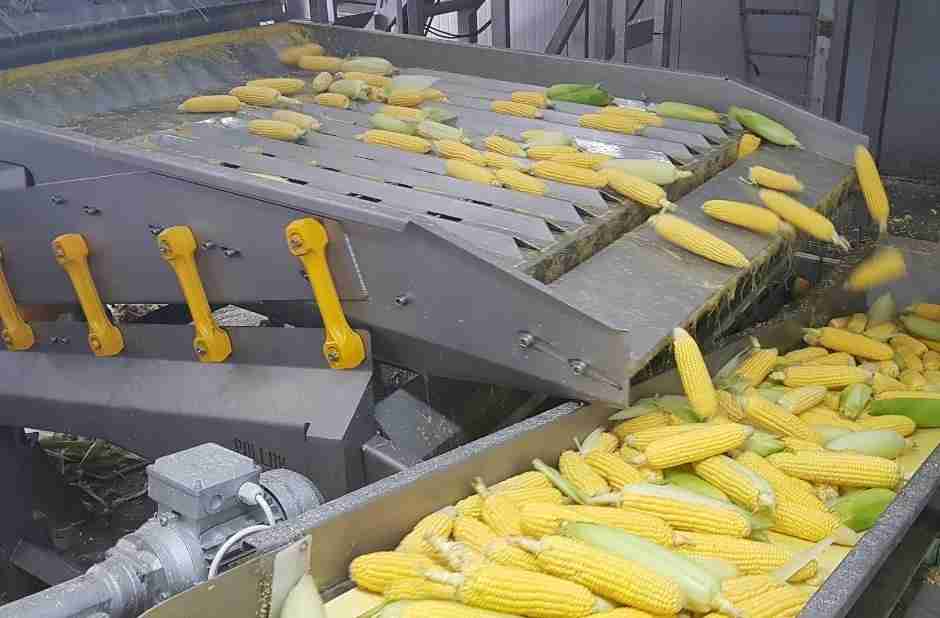
Exploring the Historical Roots of Corn Processing
The history of corn processing stretches back thousands of years, deeply intertwined with the cultural development of various civilizations. Indigenous peoples in the Americas were among the first to cultivate this versatile grain, utilizing its nutritional value in diverse ways. The Nixtamalization process, a revolutionary method developed by the Mesoamerican cultures, transformed how corn was consumed and led to the creation of staple dishes such as tortillas and tamales. This technique not only improved the grain’s digestibility but also enhanced its flavor, setting the stage for a myriad of culinary applications that continue to this day.
As corn spread globally, especially after European contact, the art of processing it evolved further. By the colonial era, corn was integrated into various cuisines, with techniques adapting to local tastes and availability. Today, the methods for processing corn include traditional practices as well as modern technological advancements. Key developments in this journey encompass:
- Dry Milling: Used for producing cornmeal and grits.
- Wet Milling: A process that separates components of corn, yielding products like corn syrup and starch.
- Fermentation: Employed to create alcoholic beverages such as whiskey.
This rich tapestry of techniques highlights not only the adaptive nature of corn processing but also its significance in shaping food systems across cultures and continents.
Understanding the Chemical Transformations in Corn Milling
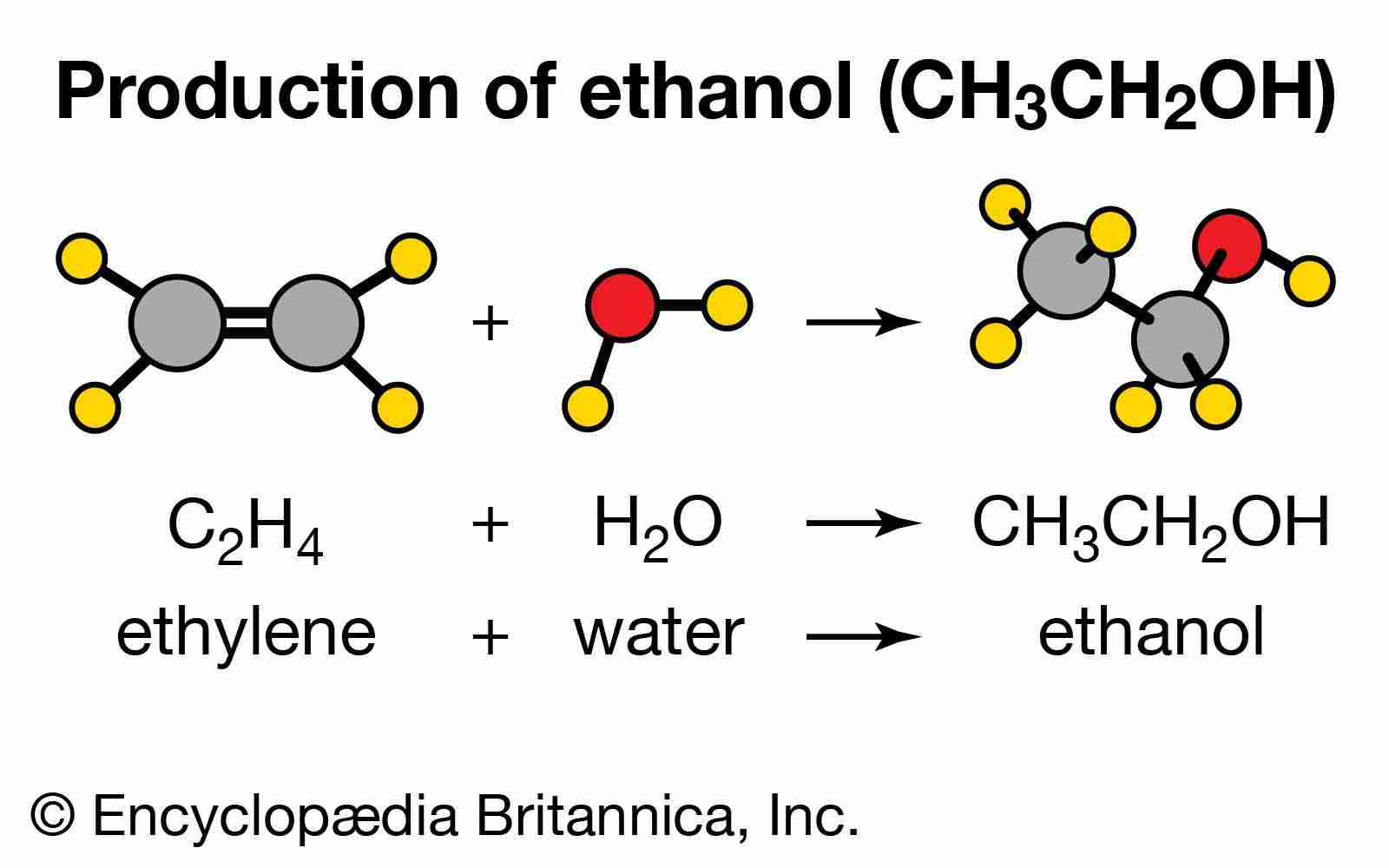
The journey of corn milling is not merely a mechanical process; it is a symphony of chemical transformations that unlock the potential of this abundant grain. As corn is subjected to various treatments, it undergoes significant physical and chemical changes, enabling the extraction of valuable components. Among the primary processes involved are gelatinization, wherein starch granules swell and absorb water upon heating; and denaturation, which alters the structure of proteins, making them more digestible and functional. These transformations create a base for further refinement, ultimately leading to a multitude of products such as corn flour, hominy, and masa.
During the milling process, enzymes play a pivotal role in enhancing the efficiency of these transformations. Notably, amylases break down starches into simpler sugars, while proteases assist in degrading proteins into peptides and amino acids. This enzymatic action can be finely tuned to achieve the desired characteristics of the end product. Additionally, the interaction of corn with water, heat, and mechanical forces leads to the formation of a unique flavor profile and texture, which are essential in modern culinary applications. Below is a simplified representation of the milling process with its corresponding transformations:
| Process Stage | Chemical Transformation |
|---|---|
| Soaking | Water absorption and softening of kernels |
| Cooking | Gelatinization of starches |
| Milling | Physical breakdown and size reduction |
| Fermentation | Conversion of sugars into acids and alcohols |
| Drying | Moisture reduction and stabilizing the product |
Innovative Techniques in Corn Bioprocessing for Sustainable Production
As the demand for sustainable practices grows within the agricultural industry, the exploration of corn bioprocessing has emerged as a beacon of innovation. By leveraging natural enzymatic processes, biotechnologists are transforming how corn is utilized, aiming to reduce waste while maximizing yield. Key techniques include enzymatic hydrolysis, which breaks down starches into fermentable sugars, and fermentation, where microbes convert these sugars into biofuels, bioplastics, and other valuable products. This two-step process not only enhances resource efficiency but also leads to the creation of by-products that can be reintegrated into the agricultural products cycle, paving the way for a more seamless and eco-friendly model of production.
Moreover, the integration of genetic engineering and synthetic biology has birthed corn strains that are specifically designed for optimal bioprocessing. These advanced crops boast traits such as increased starch content and enhanced resistance to environmental stressors. By selecting and cultivating these engineered varieties, farmers can significantly increase their output while lowering dependence on chemical fertilizers. The table below highlights the potential benefits of these innovative techniques:
| Technique | Benefits |
|---|---|
| Enzymatic Hydrolysis | Increased sugar yield; reduced waste |
| Fermentation | Production of biofuels and bioplastics |
| Genetic Engineering | Higher stress tolerance; improved starch content |
| Synthetic Biology | Customized traits for specific processing needs |

Navigating Quality Control: Best Practices in the Corn Industry
In the intricate process of corn production, maintaining high standards through quality control is essential for ensuring product safety and consistency. Effective monitoring begins at the initial stages of cultivation and continues through harvesting, transportation, and processing. Key practices include:
- Regular Soil Testing: Assessing nutrient levels and pH to optimize crop yields.
- Inspection of Seeds: Verifying seed quality before planting to prevent disease and ensure uniform growth.
- Harvesting Techniques: Utilizing the correct timing and methods to minimize damage and maximize quality.
As corn advances through the processing phases, rigorous quality checks must be integrated into each step. This can be effectively managed through the implementation of a standardized quality control system. Key components include:
- Visual Inspection: Identifying physical imperfections and impurities.
- Microbial Testing: Ensuring that products are free from harmful pathogens.
- Moisture Content Analysis: Monitoring moisture levels to prevent spoilage during storage.
By fostering a culture of quality throughout the supply chain and implementing these best practices, the corn industry can achieve not only compliance with regulatory standards but, importantly, produce high-quality corn products that meet consumer demands.
In Conclusion
As we close the chapter on our exploration of corn processing, we find ourselves at the intersection of art and science—a place where ancient traditions meet modern technology. Every kernel carries with it stories of cultivation, creativity, and innovation. From the golden fields that yield this remarkable crop to the intricate machinery and methods that transform it, corn processing is a journey of transformation, sustainability, and nourishment.
Through the meticulous processes of milling, fermenting, and refining, we not only unlock the potential of this versatile grain but also honor the generations of farmers and artisans who have shaped its legacy. The intricate dance of science and artistry continues to evolve, promising new possibilities and discoveries on the horizon.
As we reflect on the multifaceted nature of corn processing, let us appreciate the balance it strikes between heritage and progress. The humble kernel, in all its forms, reminds us of our reliance on nature and the ingenuity that drives us to innovate. So, the next time you encounter corn in its various incarnations—whether as a warm tortilla, a sweet snack, or a staple in your pantry—take a moment to acknowledge the intricate journey that brought it to your table. After all, in every grain lies the potential to connect us to our past and propel us into the future.




