
Corn processing may seem like a simple and straightforward task, but the truth is that it is a highly intricate and fascinating process that involves various techniques and methods to transform corn into an array of products we consume daily. From cornmeal to corn syrup, the journey of corn through processing plants is a marvel of modern engineering and ingenuity. Join us as we delve into the complex world of corn processing and uncover the hidden intricacies behind this staple ingredient.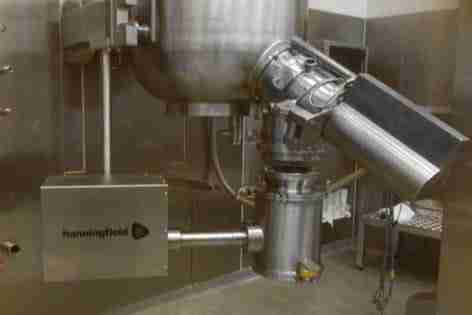
The Role of Wet Milling in Corn Processing
When it comes to the world of corn processing, wet milling plays a crucial role in unlocking the potential of this versatile grain. Through the intricate process of wet milling, corn is transformed into a wide range of valuable products that are used in various industries. Let’s delve into the fascinating world of corn processing and explore the key role that wet milling plays in this complex process.
One of the main advantages of wet milling in corn processing is the ability to separate the different components of the corn kernel more effectively. This allows for the production of a diverse range of products, including starch, sweeteners, ethanol, and oils. The wet milling process also helps to maximize the yield of valuable components from the corn kernel, making it a highly efficient method of processing this essential grain.
Enhancing Efficiency Through Enzymatic Hydrolysis
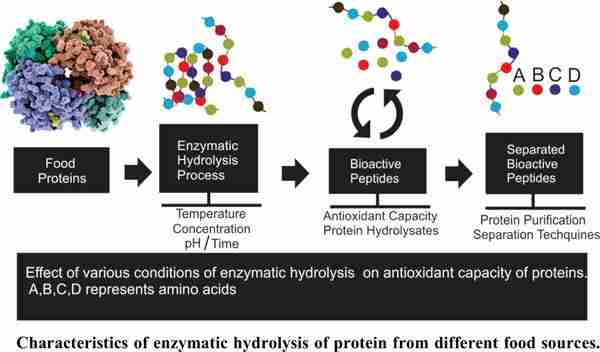
When it comes to corn processing, utilizing enzymatic hydrolysis can significantly enhance efficiency in various industries. By breaking down complex substrates into simpler molecules, enzymes play a crucial role in improving yields and reducing processing times. This method not only increases overall productivity but also helps optimize resource usage, making it a sustainable choice for many businesses.
Through enzymatic hydrolysis, industries can efficiently extract valuable components from corn, such as sugars, starches, and proteins. This process enables the production of a wide range of products, from biofuels to food ingredients. By understanding the intricacies of corn processing and harnessing the power of enzymes, businesses can unlock new opportunities for innovation and growth. Embracing this technology is key to staying competitive in today’s dynamic market.
Navigating the Challenges of Dry Grind Processing
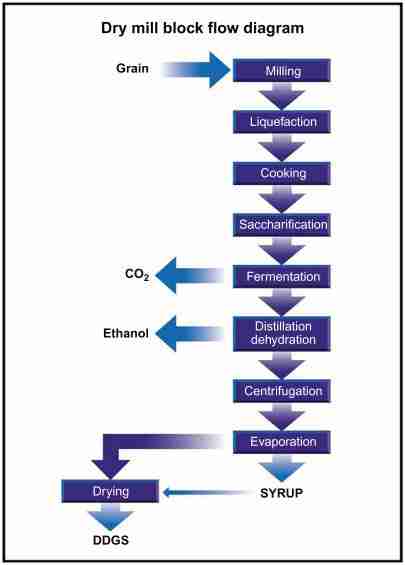
Corn processing can be a complex and challenging process, especially when it comes to dry grind processing. One of the key challenges in this type of processing is maintaining the right moisture content throughout the various stages of production. Too much moisture can lead to clumping, while too little moisture can result in a powdery final product.
Another challenge is ensuring consistent particle size distribution in the corn material. Variations in particle size can affect the overall quality of the final product and lead to inefficiencies in the processing line. To overcome these challenges, it is essential to invest in high-quality equipment, closely monitor processing conditions, and make adjustments as needed to achieve optimal results.

Optimizing Yield and Quality in Corn Refining Operations
Corn refining operations require a delicate balance of factors to achieve optimal yield and quality. By understanding the intricacies of corn processing, operators can make informed decisions that improve efficiency and profitability. One key aspect of optimizing yield is selecting the right corn variety, as different varieties have varying starch content and processing characteristics.
Additionally, implementing efficient milling and separation techniques can help maximize yield by extracting as much starch as possible from the corn kernels. Utilizing advanced technologies such as hydrocyclones and centrifuges can further enhance the quality of the end products. By focusing on both yield and quality, corn refining operations can achieve greater success in a competitive market.
In Retrospect
As we delve deeper into the world of corn processing, it becomes apparent that the journey from field to table is a complex and intricate one. From harvesting to milling to refining, each step plays a crucial role in transforming corn into the products we know and love. By understanding the finer details of this process, we gain a newfound appreciation for the humble corn kernel and the incredible versatility it possesses. So the next time you enjoy a bowl of popcorn or savor a slice of cornbread, take a moment to reflect on the fascinating journey that brought that delicious corn product to your plate. The journey of corn processing is truly a testament to the ingenuity of human innovation and the beauty of nature’s bounty.




