
In the heart of every breakfast table, a story unfolds—one that begins in golden fields and journeys through the intricate processes of grain transformation. “Unveiling the Grain: The Art and Science of Cereal Milling” invites you to explore the unseen yet vital world where nature’s bounty is carefully cultivated, harvested, and refined into the staple foods that sustain us. This article delves into the delicate dance between tradition and technology, where millers harness age-old techniques alongside cutting-edge innovations. Join us as we dissect the intricate machinery and artistry behind milling, revealing how every grain contributes to the flavors and textures we often take for granted. From the rhythmic thump of the millstone to the precise metrics of milling science, we uncover the craftsmanship that shapes our daily nutrition and honored dining rituals. Welcome to a journey through the grain—an adventure steeped in history, driven by innovation, and essential to our plates.
The Journey from Grain to Flour: Understanding the Milling Process
The journey from grain to flour is a captivating blend of art and science, showcasing the intricate processes that transform raw cereal grains into a versatile ingredient. It begins with the selection of high-quality grains—often sourced from diverse regions, each contributing unique characteristics to the final product. Once harvested, these grains undergo preliminary cleaning to remove impurities such as dirt, stones, and other foreign materials. This essential first step ensures that only the purest elements make it to the milling stage. Following cleaning, the grains are tempered with water to reach optimal moisture levels, which facilitates smoother grinding while also preserving the nutritional value and taste of the flour.
Next, the milling process comes into play, involving various methods that break down the grains into flour. Key stages include:
- Breaking: Grains are crushed between large rollers to separate the outer bran and germ from the endosperm.
- Sifting: The mixture is sifted to separate coarse and fine flour, ensuring even texture.
- Reduction: Several more passes through finer rollers reduce the size and refine flour particles.
This meticulous process produces a range of flour types with varying textures and uses, from the coarse whole wheat flour that retains most of the bran and germ to the finely milled all-purpose flour that serves myriad culinary needs. Understanding these steps not only highlights the complexity of milling but also emphasizes the importance of each element in creating the foundation of countless recipes.

The Role of Technology: Innovations Shaping Modern Cereal Milling
In the dynamic landscape of cereal milling, technology has emerged as a transformative force, revolutionizing traditional practices with innovative solutions. Automated milling systems now empower millers to optimize efficiency, reduce waste, and maintain product consistency. With data analytics, operators can monitor production in real-time, identifying potential bottlenecks and adjusting parameters for maximum output. Additionally, millers are increasingly relying on robotic systems for packaging and logistics, streamlining operations and reducing labor costs, ultimately allowing for a more agile response to market demands. The integration of sensors and IoT devices adds another layer of precision, enhancing both quality control and traceability throughout the milling process.
Furthermore, advancements in energy-efficient machinery are shaping sustainability within the industry. By utilizing cutting-edge technologies, mills can significantly decrease energy consumption while increasing production capacity. Notably, biomass energy options are being explored, aligning milling practices with environmentally conscious initiatives. As the industry continues to evolve, we can expect to see more evidence of how artificial intelligence and machine learning can predict maintenance needs before failures occur, mitigating downtime. The convergence of these technologies reflects a commitment to progress and precision, ultimately redefining the art of cereal milling in the modern era.
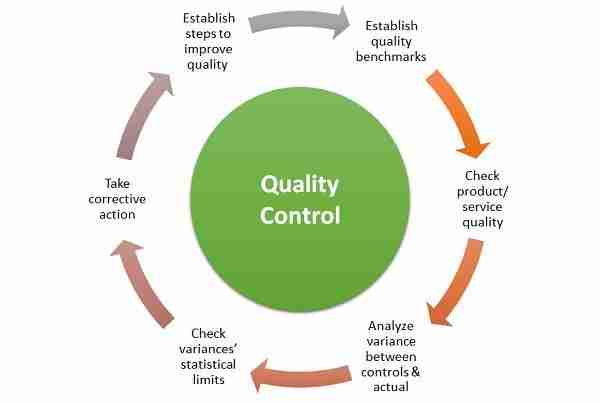
Quality Control in Milling: Ensuring Consistency and Safety
In the intricate world of cereal milling, *quality control* stands as a pivotal process ensuring both consistency and safety throughout production. Each stage, from grain selection to final flour packaging, is meticulously monitored to adhere to industry standards. The implementation of robust quality control measures can help to achieve the following objectives:
- Grain Selection: Assessing moisture levels and impurities in raw materials to guarantee only the best grains are processed.
- Process Monitoring: Continuous oversight of milling equipment to prevent breakdowns and maintain optimal performance.
- Product Testing: Conducting regular tests on the final product to ensure that it meets the desired texture, flavor, and nutritional content.
Furthermore, the safety aspect within milling operations cannot be overstated. Implementing advanced inspection techniques and routine checks not only safeguards end products but also protects workers and machinery alike. A well-defined safety protocol could include:
| Safety Measure | Description |
|---|---|
| Routine Equipment Checks | Ensuring milling machines are functioning correctly and safely. |
| Employee Training | Training staff on safety procedures and emergency responses. |
| Hygiene Protocols | Implementing stringent cleaning processes to avoid contamination. |
By harmonizing the art and science of milling with stringent quality control practices, the industry can not only achieve stellar product standards but also uphold the highest safety protocols, thus ensuring a responsible and sustainable approach to food production.

Exploring Sustainable Practices: Eco-Friendly Approaches in Cereal Production
In the ongoing quest for sustainability, the cereal production industry is embracing a variety of eco-friendly practices that not only bolster environmental health but also enhance the quality of our food supply. These practices extend from the fields to the milling processes, creating a holistic approach to cereal production. Some key strategies include:
- Organic Farming: Utilizing organic methods minimizes pesticide use, promoting biodiversity and soil health.
- Water Conservation: Implementing advanced irrigation systems reduces water waste, ensuring that crops receive the optimal amount.
- Cover Cropping: Planting cover crops during off-seasons protects soil integrity and enriches it with organic matter.
Additionally, the milling phase can also adopt sustainable practices that contribute to resource conservation and waste reduction. Energy-efficient machinery and processes are becoming the norm, significantly lowering the carbon footprint of milling operations. Companies are exploring biomass energy, enabling them to convert by-products into renewable energy sources, thus minimizing reliance on fossil fuels. The table below highlights some of these innovative approaches:
| Eco-Friendly Practice | Benefit |
|---|---|
| Solar Energy Utilization | Reduces energy costs and reliance on nonrenewable sources. |
| Waste Management Systems | Minimizes waste by repurposing milling by-products. |
| Local Sourcing | Supports local economies and reduces transportation emissions. |
To Wrap It Up
As we pull back the curtain on the intricate process of cereal milling, we uncover a fascinating blend of art and science that has shaped our culinary landscapes for centuries. From the ancient stone mills of yore to today’s advanced machinery, the transformation of grains into flour is not merely a mechanical task; it is a harmonious dance of tradition and innovation. Each step in this carefully orchestrated process, from the selection of the grain to the final grind, reflects a commitment to quality that continues to evolve.
In understanding milling, we not only appreciate the technical expertise required but also recognize the cultural and nutritional significance it holds in our daily lives. Whether it’s a slice of freshly baked bread, a bowl of creamy porridge, or a hearty dish of pasta, each morsel tells a story that connects us to generations past and future.
As we conclude our exploration, let us celebrate the meticulous craftsmanship behind cereal milling and the profound impact it has on our food systems. The legacy of grain is not just in its consumption but in the dedication and passion of those who bring it from field to table. Embrace the grain, for in each bite, you partake in a timeless journey of flavor, health, and heritage.




