
Corn has been a staple in diets around the world for centuries, but its journey from farm to table involves a complex process that many may not be aware of. In this article, we will delve into the intricate art of corn processing, uncovering the steps and techniques that transform this humble grain into a versatile and nutritious ingredient. Join us as we unveil the mysteries behind the corn processing industry and gain a newfound appreciation for this essential food source.
Understanding the Intricate Process of Corn Milling
Corn milling is a complex and fascinating process that involves several intricate steps to transform corn kernels into various products used in food production. From breaking down the corn into its components to extracting valuable nutrients and creating versatile ingredients, the art of corn processing requires precision and expertise.
During corn milling, the corn kernels go through a series of stages that include cleaning, grinding, separating, and processing to produce cornmeal, corn flour, corn germ, and corn bran. Each step plays a crucial role in extracting the different components of the corn kernel, such as the endosperm, germ, and bran, which are used in a wide range of food products. Understanding the nuances of corn milling can help appreciate the effort and skill required to create high-quality corn-based products that we use in our everyday lives.
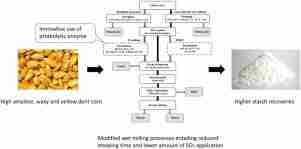
Exploring Different Techniques for Corn Wet Milling
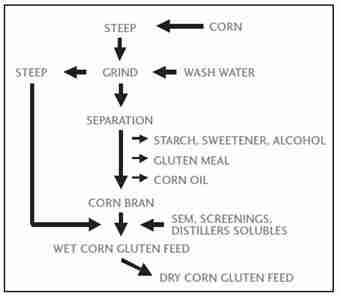
When it comes to corn wet milling, the process involves separating the corn kernel into its components to produce various products such as starch, sweeteners, oil, and ethanol. There are several techniques that can be used to achieve this, each with its own set of advantages and applications.
One common technique is steeping, where the corn kernels are soaked in water and sulfur dioxide to soften the kernel and facilitate the separation of its components. Another technique is grinding, where the softened kernels are crushed to release the contents within. Centrifugation is then used to separate the different components based on their densities. Overall, the art of corn processing involves a delicate balance of mechanical and chemical processes to efficiently extract the desired products.
Unlocking the Secrets of Dry Corn Processing
Discover the fascinating world of dry corn processing, where ancient techniques meet modern innovation. Through a delicate balance of art and science, corn is transformed into a multitude of products that sustain millions around the globe. From crunchy corn chips to silky corn flour, the possibilities are endless.
- Explore the rich history of corn processing techniques
- Learn about the key ingredients and equipment used in the process
- Uncover the secrets behind achieving the perfect texture and flavor
Join us as we delve into the intricate world of dry corn processing and unlock its hidden secrets. From ancient civilizations to modern-day food industry giants, the art of corn processing has been passed down through generations, evolving with each new discovery. Whether you’re a seasoned chef or a curious food enthusiast, there’s always more to learn about the fascinating journey from kernel to plate.
| Corn Processing Stage | Description |
| 1. Cleaning | Removal of impurities and foreign materials |
| 2. Milling | Grinding corn into various textures and sizes |
| 3. Sifting | Separating corn particles by size |
| 4. Packaging | Sealing corn products for distribution |
Maximizing Efficiency in Corn Processing Operations
When it comes to , it is essential to understand the intricate art behind the process. From planting to harvesting, drying, and milling, each step plays a crucial role in ensuring a successful outcome. By leveraging the latest technology and best practices, corn processors can streamline their operations and increase productivity.
One key aspect of maximizing efficiency is optimizing the use of resources. This includes managing energy consumption, reducing waste, and implementing strategic scheduling practices. By carefully monitoring each stage of the corn processing journey and making adjustments as needed, processors can achieve higher yields and lower costs. Additionally, investing in staff training and continuous improvement programs can help enhance operational efficiency and ensure long-term success in the competitive corn processing industry.
The Conclusion
As we conclude our exploration into the intricate art of corn processing, we hope to have shed light on the fascinating world of turning a simple grain into a versatile ingredient that plays a crucial role in countless culinary creations. From milling to fermenting, each step in the process is a testament to the craftsmanship and innovation that goes into producing this staple food. As we appreciate the artistry and dedication of those who bring corn from field to table, let us continue to savor and celebrate the corn in all its delicious forms. Thank you for joining us on this journey of discovery.




