
Unveiling the Art and Science of the Maize Milling Process
In the heart of countless kitchens and bustling markets, the humble maize kernel serves as more than just a staple of nutrition; it embodies a rich tapestry of culture, tradition, and innovation. The journey from ear to flour is an intricate odyssey that marries age-old techniques with modern technology, transforming golden grains into versatile ingredients that fuel societies across the globe. This article delves into the multifaceted world of maize milling, exploring both the artistry and the science behind this essential process. We will uncover the various methods that have evolved over centuries, revealing how a simple crop can yield a diverse array of products—from cornmeal to masa—while meeting the demands of contemporary culinary practices. Join us as we navigate the intricate machinery, expert craftsmanship, and innovative approaches that define the maize milling process, celebrating its significance in our diets and its profound impact on food culture.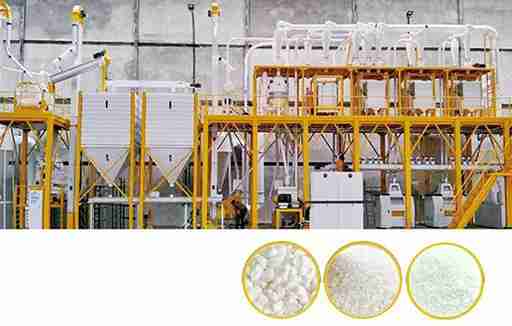
Exploring the History and Cultural Significance of Maize Milling
From ancient civilizations to modern agricultural practices, maize milling has played a pivotal role in shaping societies across the globe. Originating in Mesoamerica, maize was revered not only as a staple food but also as a symbol of life and sustenance. Early indigenous cultures understood the nutritional value of maize, incorporating it into their diets and rituals. Over time, milling evolved alongside advancements in technology, transforming from manual methods, such as grinding with stones, to mechanized processes. The cultural significance attached to maize milling is reflected in various traditions, festivals, and culinary practices, emphasizing its vital role in community identities and gastronomies.
As maize traversed continents, it adapted to diverse cultures and climates, leading to a variety of milling techniques tailored to local needs. In many African countries, for example, maize is not only a dietary staple but also an integral part of social gatherings and ceremonies. The milling of maize often signifies community bonds and cooperation, showcasing how food processing can unite people around shared experiences. Even today, maize milling continues to be a craft that fuses art with science, as millers carefully balance traditional methods with innovative technologies to produce high-quality flour catering to both local and global markets.

Understanding the Machinery: Key Equipment in the Maize Milling Process
To unlock the potential of maize milling, it’s essential to understand the critical machinery involved in every step of the process. Each machine plays a significant role in transforming raw maize into the flour or meal suitable for various food products. Key equipment includes:
- Cleaning Machines: These help remove impurities and foreign materials from the maize, ensuring high-quality output.
- Milling Machines: These machines can be categorized into roller mills and hammer mills, each specialized for different milling techniques.
- Tempering Equipment: Moisture adjustment is crucial for achieving the desired texture and consistency, making tempering an essential phase.
- Sifting Machines: To separate essential components like bran, germ, and flour, sifting machines enhance product purity and quality.
Once you grasp the purpose of each machine, the next step is to comprehend their integration within the milling process. The efficiency of each machine significantly impacts the overall output and quality. A simplified overview of the milling machinery and its efficiency could be illustrated as follows:
| Equipment | Function | Efficiency Impact |
|---|---|---|
| Cleaning Machine | Removes dirt and debris | Improves final product quality |
| Milling Machine | Grinds maize into flour | Determines flour texture |
| Tempering Equipment | Adjusts moisture content | Enhances milling efficiency |
| Sifting Machine | Separates flour from bran and germ | Ensures product purity |

Quality Control in Milling: Techniques for Optimal Grain Processing
Ensuring exceptional quality in maize milling is a blend of meticulous monitoring and employing innovative techniques that collectively enhance the grain processing experience. Visual inspections serve as a preliminary touchpoint in quality control, where operators assess kernels for foreign materials, discoloration, or inconsistencies. Furthermore, the implementation of sieve analysis is pivotal, using a series of sieves to classify the milled maize based on particle size, ensuring uniformity in the final product. Automation also plays a significant role, with real-time data monitoring systems that track moisture content and temperature, allowing for quick adjustments to optimize milling performance.
In pursuit of perfection, several techniques have emerged to fine-tune the milling process. These include:
- Batch Testing: Evaluating a small sample of milled maize to assess quality parameters.
- Colorimetric Analysis: A method that evaluates color attributes of flour to ensure consistency.
- Texture Analysis: Measuring the granulation and flow properties to ascertain the milling efficiency.
Combining these techniques empowers millers to achieve high standards, steadily producing flour that meets consumer expectations. Below is a simple table highlighting the impact of various quality control measures on milling outcomes:
| Quality Control Measure | Impact on Milling |
|---|---|
| Visual Inspection | Identifies foreign materials early |
| Sieve Analysis | Ensures particle uniformity |
| Real-Time Monitoring | Enhances process adjustments |

Sustainability in Maize Milling: Practices for an Eco-Friendly Operation
Incorporating sustainability into maize milling not only enhances operational efficiency but also contributes significantly to environmental conservation. One of the primary techniques is energy optimization. This involves utilizing high-efficiency machinery that minimizes energy consumption while maximizing output. Regular maintenance of milling equipment is crucial, as well-maintained machines run more efficiently and last longer, reducing waste. Additionally, integrating renewable energy sources, such as solar panels, can significantly decrease dependency on fossil fuels, paving the way for a greener operation.
Water usage is another critical aspect of eco-friendly maize milling. Implementing water recycling systems helps in the reduction of water waste, allowing facilities to reuse water for different processes instead of drawing new supplies. Furthermore, adopting waste valorization techniques can turn by-products into valuable resources, creating a circular economy within the milling operations. For instance, the by-products from maize processing can be repurposed into animal feed or bioenergy, effectively reducing environmental footprints. Below is a simple comparison table illustrating key sustainable practices in maize milling:
| Sustainable Practice | Benefits |
|---|---|
| Energy Optimization | Reduces energy costs and emissions. |
| Water Recycling | Minimizes water wastage and lowers utility bills. |
| Waste Valorization | Transforms waste into revenue-generating products. |
Final Thoughts
As we conclude our exploration of the intricate world of maize milling, we stand at the intersection of tradition and technology, where centuries-old practices blend seamlessly with modern innovations. The milling process is more than just a necessity; it is an art form that transforms simple kernels into a plethora of culinary possibilities, enriching our diets and cultures across the globe.
From the careful selection of maize varieties to the precise machinery that grinds and sifts, every step in this journey is a testament to human ingenuity and resourcefulness. We have unveiled not just the technical aspects of milling, but also the respect and reverence for nature that underpins this age-old craft.
As you savor your next bowl of polenta, cornbread, or tortilla, take a moment to appreciate the labor and artistry that has gone into bringing that morsel to your table. In embracing both the science and the art of maize milling, we celebrate a process that continues to nourish not only our bodies but also our communities and traditions.
maize milling is more than a process; it is a story woven through generations, a legacy that flourishes with every grain that is milled. Let us continue to cherish and honor this timeless craft, ensuring that the rich flavors and histories of maize are preserved for generations to come.




