
Unveiling Corn Processing: From Field to Food Innovation
In the heart of agricultural landscapes across the globe, corn stands tall—vibrant, versatile, and essential. Often referred to as maize, this humble grain plays a pivotal role that extends far beyond simple sustenance. From the golden fields that stretch out under the sun to the bustling food innovation labs where novel ideas spring to life, corn processing is a dynamic journey steeped in tradition and modernity. As we delve into the intricate pathways of this journey, we will explore how corn transforms from a mere crop into a cornerstone of culinary creativity and food technology. Join us as we unravel the fascinating processes, innovations, and impacts that make corn not just a staple, but a beacon of possibility in the world of food.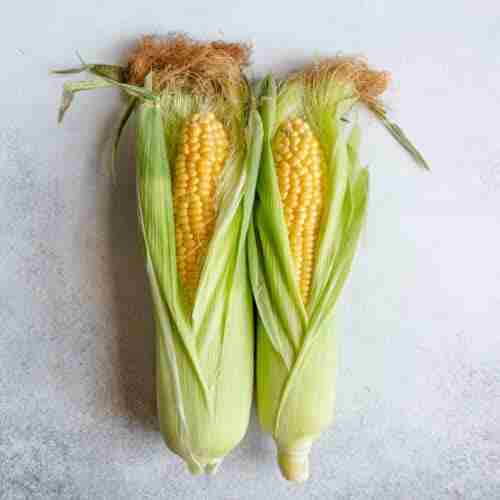
Exploring the Journey of Corn from Soil to Sustainability
From the moment a seed is placed into nutrient-rich soil, corn embarks on a remarkable journey shaped by the seasons, local ecosystems, and human ingenuity. Farmers meticulously cultivate their fields, nurturing the plants through various stages of growth. Each sunny day and nurturing rain plays a crucial role in developing the kernels that will later become integral to a multitude of products. The careful balance of inputs, including fertilizers, pesticides, and irrigation, ensures a thriving crop, directly impacting yield and quality. This relationship between the earth and the farmer lays the groundwork for sustainable practices that promise to support future generations.
As the corn matures, it enters the next phase of production, where innovative processing techniques transform the harvested grain into a wide variety of food products. The versatility of corn allows it to find a place not just in our kitchens, but also in diverse industrial applications. These processes include:
- Milling: Turning whole corn into flour, grits, and cornmeal.
- Fermentation: Creating biofuels and alcoholic beverages.
- Germination: Enhancing nutritional value for animal feed.
Each of these methods illustrates the ingenuity and depth of corn’s role in our food systems. By innovating how we process and use corn, the industry strives to champion sustainability while maximizing benefits for both consumers and the environment.

Innovative Techniques Shaping Modern Corn Processing
The corn processing industry is experiencing a renaissance, driven by groundbreaking techniques that not only enhance efficiency but also promote sustainability. Innovations such as dry milling and wet milling have redefined traditional methods, enabling processors to extract maximum value from every kernel. With the integration of automated systems, corn processing plants can now employ real-time analytics to monitor quality control, leading to fewer waste products and a more consistent output. Techniques like enzymatic treatment are also gaining traction, breaking down starches more efficiently and leading to higher yields of valuable byproducts such as corn syrup and ethanol.
Moreover, advancements in biotechnology are paving the way for genetically modified corn varieties that boast improved processing traits. These new strains are designed to not only withstand environmental challenges but also enhance nutrient composition, resulting in healthier food products. As the demand for transparency and sustainability grows, many processors are embracing circular economy principles by converting byproducts into bioenergy or animal feed, ultimately reducing their carbon footprint. The interplay of these innovative techniques ensures a robust corn processing landscape that meets the modern consumer’s expectations while addressing pressing environmental concerns.

Nutritional Insights: Enhancing Food Products through Corn
Corn is not just a staple crop but also a versatile ingredient that enriches our diets with nutritional benefits. It’s a powerhouse of essential nutrients, including fiber, vitamins, and minerals. When processed, corn can transform into various forms, catering to diverse culinary needs, enhancing not only the texture but also the nutrition of a wide range of food products. The unique properties of corn derivatives, such as cornmeal, corn syrup, and corn oil, contribute to their functionality and nutritional profile, making them valuable in both home cooking and industrial food production. By incorporating these products, manufacturers can create healthier alternatives that satisfy consumer demand for both taste and nutrition.
Moreover, the processing of corn results in several health benefits due to the preservation of its natural components while enhancing digestibility and flavor. Some key nutritional enhancements include:
- Increased digestibility: The processing method breaks down complex carbohydrates, making nutrients more accessible.
- Fortification: Processed corn products can be enriched with vitamins and minerals, improving their overall nutritional value.
- Low-glycemic options: Certain corn derivatives offer low glycemic indices, making them suitable for individuals managing blood sugar levels.
| Type of Corn Product | Nutritional Benefit |
|---|---|
| Cornmeal | High in fiber; supports digestive health |
| Corn Oil | Rich in healthy fats; promotes heart health |
| Corn Syrup | Lower calorie alternatives available; suitable for sweetening without excess |
These nutritional insights emphasize the crucial role that corn plays in food innovation, enabling food scientists to craft products that not only meet consumer preferences but also align with health-oriented trends. With ongoing research into corn’s benefits and applications, the potential for further enhancing food products remains vast and promising.

Future Trends in Corn-Based Innovations and Market Opportunities
The future of corn-based innovations is poised for exciting advancements as technology meets sustainable practices. With the increasing global demand for renewable materials and biofuels, corn processing has evolved beyond traditional uses. Key trends that are shaping the market include:
- Bioplastics: Corn-derived bioplastics are gaining traction as alternatives to petroleum-based plastics, promoting a circular economy.
- Food Additives: Innovations in corn starch and sweeteners are leading to healthier food products, catering to a health-conscious consumer base.
- Fermentation Technologies: Enhanced fermentation processes are unlocking new applications for corn, such as in the production of sustainable materials and specialized alcoholic beverages.
The intersection of corn processing with advanced technologies presents formidable opportunities for businesses across various sectors. Desired attributes like sustainability and versatility are driving the market, as evidenced by the following table that outlines potential applications for corn innovations:
| Application | Market Potential | Innovative Aspect |
|---|---|---|
| Bioplastics | Growing demand in packaging and consumer goods | Compostable and renewable resources |
| Biofuels | Increased investment in renewable energy | Carbon-neutral energy solutions |
| Functional Foods | Rise in health awareness | Enhanced nutritional profiles |
In Summary
As we conclude our exploration of corn processing, it becomes evident that this humble grain is much more than a staple in our diets; it is a catalyst for innovation and a testament to human ingenuity. From the sun-kissed fields where it is harvested to the cutting-edge facilities where it is transformed into an array of products, each step in the journey of corn is steeped in science, tradition, and creativity.
The innovations stemming from corn processing have not only enriched our culinary experiences but have also played a significant role in addressing global challenges, such as sustainability and food security. As we continue to uncover the potentials of this versatile crop, one thing is certain: corn will remain a cornerstone of both our past and our future, inspiring continuous advancements in food technology.
So, the next time you savor a corn-based dish or snack, take a moment to appreciate the intricate process that brought it to your table. In the world of food innovation, corn is not just an ingredient—it is a symbol of possibility, a bridge connecting fields of the past with the innovations of tomorrow.




