
Unveiling Corn Processing: From Field to Factory to Table
Corn, a vibrant symbol of agricultural abundance and culinary versatility, is entwined with the cultural and nutritional fabric of societies across the globe. Yet, beneath its golden exterior lies a complex journey that begins in sun-kissed fields and winds through bustling factories before finally arriving at our tables. This article delves into the intricate world of corn processing, revealing the transformative journey of this humble grain. From the moment it germinates in the earth to its myriad forms—flour, syrup, tortillas, and more—each stage of processing plays a crucial role in shaping the end product we consume. Join us as we explore the science, technology, and artistry behind corn’s metamorphosis, shedding light on the unseen forces that influence our food systems and the choices we make as consumers. In this exploration, we aim to unveil the fascinating interplay between agriculture and industry, ultimately celebrating one of the world’s most cherished crops.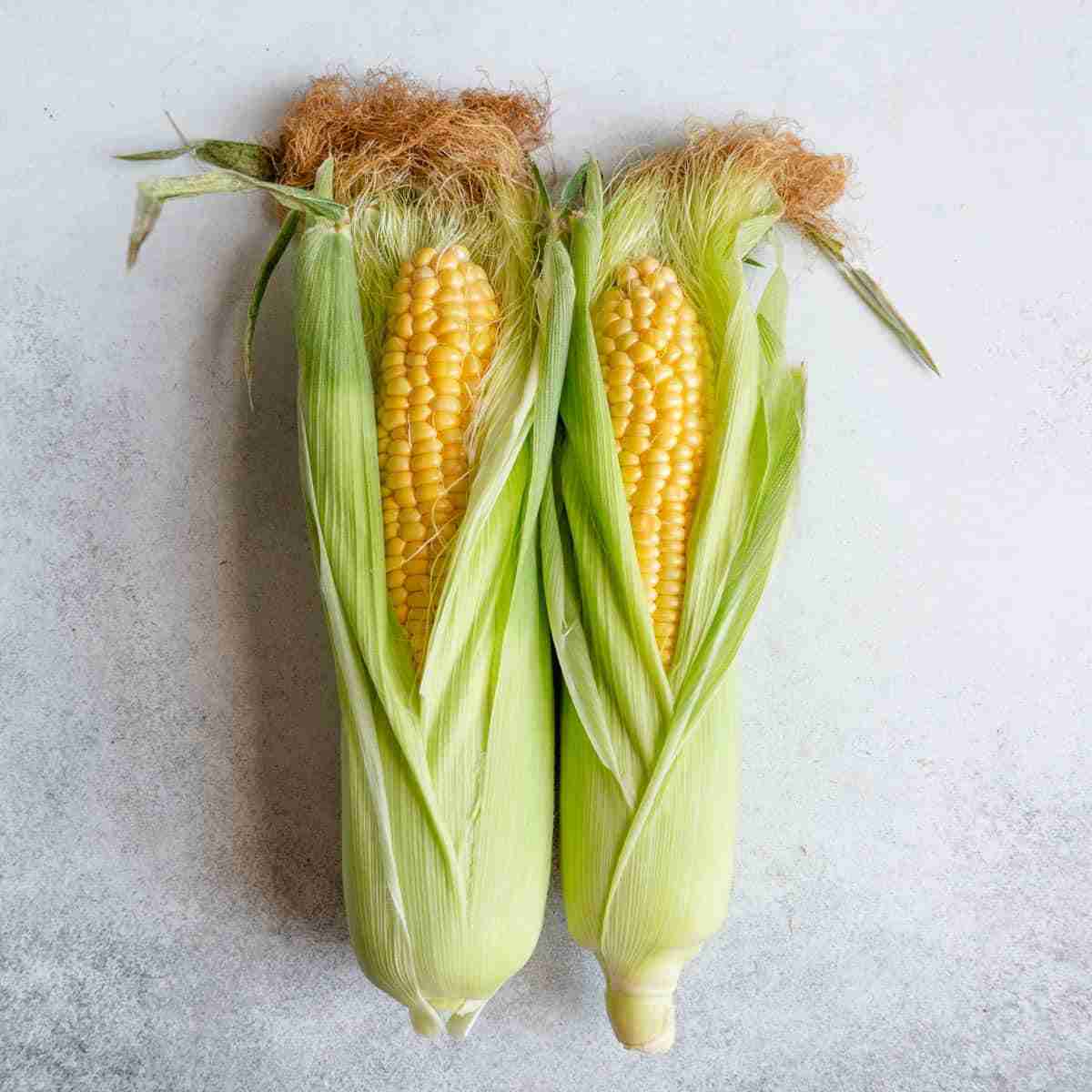
The Journey of Corn: Exploring Field Cultivation Techniques
The cultivation of corn is a blend of art and science, reflecting the intricate relationship between the farmer and the land. Careful preparation of the soil is crucial, as it sets the foundation for a successful crop. Farmers often employ no-till farming techniques, which minimize soil disruption, conserve moisture, and reduce erosion. Additionally, the strategic use of cover crops helps to enhance soil fertility and provide a protective barrier against weeds before the corn is planted. Irrigation methods, such as drip or sprinkler systems, ensure that corn plants receive the optimal amount of water, especially during the critical growth phases. By leveraging these innovative practices, farmers can boost their yield while maintaining sustainability.
As the corn plants mature, timely harvesting is pivotal for maximizing quality and quantity. The choice of harvest method—be it mechanical or manual—often depends on the scale of production and the desired end product. Once harvested, corn undergoes a series of processing steps that transform it into various food products. Here’s a succinct look at the journey from field to processing facilities:
| Stage | Description |
|---|---|
| Harvesting | Corn is collected using specialized equipment to ensure minimal damage. |
| Drying | Grains are dried to a specific moisture level to prevent spoilage. |
| Shelling | The kernels are separated from the cobs for further processing. |
| Storing | Corn is stored in temperature-controlled silos to maintain quality. |

Transforming Kernels: Innovations in Corn Processing Technology
In recent years, the corn processing industry has embraced groundbreaking advancements that have redefined the way corn is transformed into various products. Innovative techniques are being implemented to extract maximum value from every kernel, enhancing the efficiency of production lines while minimizing waste. These improvements are not just making processing faster but also promoting sustainability. Technologies such as enzymatic treatments and dry-milling processes now play a crucial role in optimizing the extraction of starch and protein, ensuring that even by-products are utilized effectively. With the incorporation of real-time data analysis, producers can monitor stages of processing more accurately, adapting parameters in real-time to ensure high-quality output.
Another exciting development in this sector is the introduction of advanced food processing machinery that integrates AI and machine learning capabilities. Such innovations have led to enhanced sorting, grading, and quality control mechanisms that minimize human error while improving consistency across batches. Farmers are now able to engage in precision agriculture, using technology to gather data that informs their decisions regarding planting, harvesting, and selling. Below is a brief summary of some key innovations shaping the future of corn processing:
| Innovation | Description |
|---|---|
| Enzymatic Treatments | Utilization of enzymes to enhance starch breakdown for syrup production. |
| Dry Milling Technology | Improved methods for producing corn flour while retaining nutrient quality. |
| AI Integration | Smart machines that analyze processing conditions to optimize output. |
| Precision Agriculture | Data-driven farming practices for better crop management. |

Sustainable Practices in Corn Production and Processing
Implementing sustainable practices in corn cultivation is pivotal for minimizing environmental impact and ensuring food security. Farmers are increasingly turning to integrated pest management (IPM), which combines biological control methods with minimal chemical applications, thus promoting biodiversity and reducing reliance on harmful pesticides. Crop rotation and cover cropping further enhance soil health, prevent erosion, and suppress weeds. These practices not only contribute to a more sustainable farming model but also improve the resilience of corn against climate fluctuations.
In the processing phase, reducing energy consumption and waste generation is crucial. Factories are adopting energy-efficient machinery and waste recovery systems that convert byproducts into useful energy or animal feed. Furthermore, innovative water management techniques are being implemented to recycle and purify water used during processing. With a focus on eco-friendly packaging, many producers are choosing biodegradable or recyclable materials to minimize plastic waste. These steps are essential in creating a more sustainable supply chain, ensuring that corn moves from field to factory to table with a smaller ecological footprint.
| Practice | Benefit |
|---|---|
| Integrated Pest Management | Reduces chemical use, promotes biodiversity |
| Crop Rotation | Enhances soil health, prevents erosion |
| Energy-efficient Machinery | Reduces energy consumption in processing |
| Waste Recovery Systems | Transforms byproducts into energy or feed |

Nourishing Communities: The Role of Corn in Modern Diets
The journey of corn from abundant fields to our dinner plates is a testament to its versatility and significance in contemporary nutrition. Corn serves as a vital source of sustenance worldwide, offering not just food, but also an array of essential nutrients for communities that rely on it. Within the culinary realm, corn is a chameleon; it transforms seamlessly into a variety of food products, each catering to diverse palates and dietary needs. From hearty corn tortillas in Mexican cuisine to sweet cornbread in Southern cooking, its adaptability allows it to nourish different cultures while maintaining its nutritional value.
Moreover, the economic impact of corn cultivation significantly shapes communities, providing job opportunities and fostering local economies in agrarian regions. The integration of corn in both traditional and modern diets is profound, as it is not only a staple but also a key ingredient in several processed foods, including:
- Cornmeal – used in various baking applications.
- Popcorn – a beloved snack enjoyed around the globe.
- High-fructose corn syrup – a common sweetener found in many processed foods.
- Corn oil – a popular cooking oil valued for its light flavor.
Furthermore, a recent survey on food consumption patterns revealed the major role corn plays in households today:
| Food Type | Percentage of Households Consuming |
|---|---|
| Corn-based products | 75% |
| Fresh corn | 60% |
| Corn-derived snacks | 80% |
| Corn oil | 55% |
Wrapping Up
As we conclude our journey through the intricate tapestry of corn processing—from the golden fields where each kernel first emerges to the bustling factories that transform it into a myriad of products—it’s clear that this humble grain plays a monumental role in our daily lives. Each step in the corn processing chain highlights not just the innovation and dedication of farmers and manufacturers, but also the connection between our food systems and the environment. Understanding this journey gives us a deeper appreciation for the versatility of corn and its significance in kitchens worldwide. As we savor our next meal featuring this remarkable crop, let’s remember the collaborative efforts that bring it from the earth to our plates, ensuring its legacy endures in every bite. Whether in the form of cornmeal, syrup, or a simple ear of corn, the story of corn is not just about sustenance—it’s about the people, the processes, and the possibilities that lie ahead. Thank you for exploring the world of corn processing with us, and may your culinary adventures continue to be enriched by this extraordinary grain.




