
Unraveling the Art and Science of Cereal Processing
In the bustling world of breakfast options, few foods have stood the test of time quite like cereal. From the classic bowl of corn flakes to innovative gluten-free granolas, the transformation of raw grains into the beloved staples of our morning routine is a fascinating journey that intertwines both art and science. But what exactly happens behind the scenes in cereal processing? This exploration invites you to delve into the intricate techniques employed to convert humble grains into crispy, flavorful flakes and clusters. By examining the nuanced processes of milling, cooking, and extruding, we uncover the meticulous balance between tradition and technology that defines cereal production. As we navigate through the various stages of this complex journey, we aim to demystify the methods and innovations that have shaped our breakfast shelves, revealing the careful craftsmanship and scientific precision that transform nature’s bounty into the convenient and nutritious cereals enjoyed by millions.
Exploring the Ingredients: The Foundation of Cereal Excellence
The journey of crafting exceptional cereals begins with the careful selection of ingredients, each contributing to the final product’s flavor, texture, and nutritional profile. The core components of any cereal include grains, sweeteners, flavors, and vitamins, all coming together to create a delightful breakfast experience. A few key ingredients often found at the heart of cereal formulations are:
- Whole Grains: Oats, wheat, barley, and corn serve as the primary source of fiber and essential nutrients.
- Sweeteners: Natural options like honey or agave syrup, alongside traditional sugars, help balance flavor.
- Added Nutrients: Vitamins and minerals such as iron and folic acid enhance the overall health benefits.
- Flavorings: Natural and artificial flavors play a pivotal role in creating unique taste profiles.
In the intricate world of cereal processing, each ingredient undergoes meticulous scrutiny to ensure quality and consistency. For example, the flour used in crafting puffed rice or cornflakes is often refined to meet industry standards, while maintaining its nutritional integrity. The impact of these ingredients can often be visualized in a straightforward comparison:
| Ingredient | Function | Nutritional Benefit |
|---|---|---|
| Whole Grains | Base structure | High fiber, essential vitamins |
| Sweeteners | Flavor enhancer | Energy source |
| Nutrients | Health boosts | Supports overall wellness |
| Flavors | Taste profile | Enjoyment factor |

The Processing Journey: Techniques that Shape Flavor and Texture
The journey of cereal processing is an intricate dance of art and science, each technique adding its unique brushstroke to the final masterpiece of flavor and texture. Toasting, often one of the first steps, not only enhances the nutty aroma but also contributes to a crunchy texture that elevates the eating experience. Complementing this is the method of flaking, where grains are steamed and then pressed, resulting in thin, crispy sheets that are perfect for breakfast cereals. Furthermore, extrusion, a lesser-known but transformative technique, employs high temperatures and pressures to shape and cook the raw ingredients. The result is a delightful mélange of textures, from airy puffed forms to dense, chewy bites, allowing consumers to discover a new world of taste in every spoonful.
Another pivotal aspect of the cereal processing journey is the incorporation of various flavoring agents and texturizers that cater to diverse palates. To illustrate this, consider the following key components that play crucial roles in shaping the end product:
| Technique | Function | Resulting Texture |
|---|---|---|
| Toasting | Enhances flavor profile | Crispy and crunchy |
| Flaking | Creates thin, crunchy sheets | Light and crispy |
| Extrusion | Shapes and cooks ingredients | Puffed and varied |
| Enrobing | Adds flavor and sweetness | Rich and indulgent |
This myriad of processes not only converges to produce iconic breakfast foods but also ensures that each bite bursts with complexity and depth, satisfying consumers’ cravings for both nutrition and indulgence. The careful selection of ingredients combined with these innovative techniques ultimately defines the distinctiveness of each cereal brand and product, showcasing a remarkable interplay between tradition and modern food science.
Nutritional Enhancements: Balancing Science and Consumer Demand
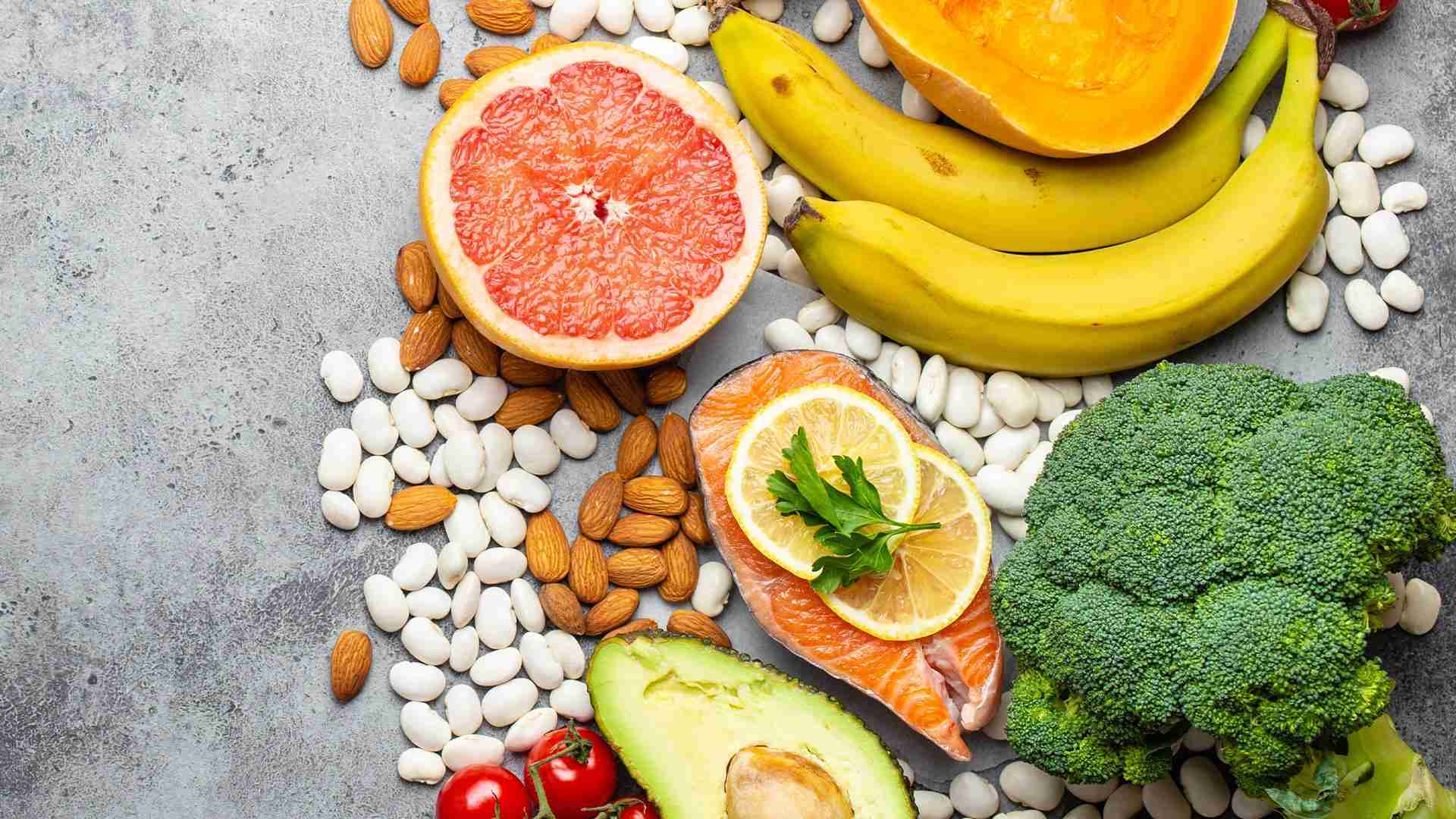
The intersection of scientific innovation and consumer preferences has significantly reshaped the landscape of cereal processing. Manufacturers are now prioritizing nutritional enhancements that align with the growing demand for healthier breakfast options. By leveraging advanced technologies, they can enhance nutrient bioavailability, ensuring consumers get the most out of their cereals. This has led to the incorporation of a variety of ingredients that not only boost flavor but also deliver significant health benefits. Key trends include the addition of functional ingredients and fortified nutrients such as:
- Omega-3 fatty acids
- Protein sources (e.g., plant-based proteins)
- Whole grains
- Vitamins and minerals (like Vitamin D and calcium)
- Probiotics for digestive health
These enhancements are informed by consumer behavior studies and nutritional research, suggesting a keen interest in grain-based products that promote overall wellness. To further meet these diverse demands, cereal companies utilize new processing techniques that preserve these nutrients during production. The balance between taste, texture, and health benefits has become paramount. A closer look at typical nutrient compositions reveals how cereals have adapted to these trends:
| Cereal Type | Protein (g) | Fiber (g) | Added Nutrients |
|---|---|---|---|
| Whole Grain Oats | 6 | 8 | Omega-3, Iron |
| Quinoa Flakes | 4 | 3 | Protein, Magnesium |
| Multi-Grain Crunch | 5 | 5 | Folate, Zinc |
With continuous advancements in food science, the evolution of cereals reflects an unwavering commitment to enhancing both the palatability and the nutritional profiles of these staple breakfast foods. As consumer awareness grows, so too does the necessity for companies to innovate thoughtfully, ensuring that every bowl provides a delicious start to the day without compromising on nutrition.

Sustainability in Cereal Production: Strategies for a Greener Future
To enhance environmental stewardship, the cereal production industry must prioritize sustainability through innovative strategies and responsible practices. One effective approach is the implementation of regenerative agricultural techniques, which focus on soil health, biodiversity, and ecosystem restoration. These practices not only improve the quality of the soil but also enhance its ability to store carbon, thereby mitigating climate change. Key strategies include:
- Crop Rotation: Diversifying crops to improve soil structure and nutrient cycling.
- Cover Cropping: Planting cover crops to protect soil during off-seasons and reduce erosion.
- Integrated Pest Management: Using natural pest control methods to minimize chemical use.
Additionally, embracing technological advancements can significantly reduce the ecological footprint of cereal processing. Precision farming utilizes data analytics and IoT devices to optimize inputs, ensuring that resources like water and fertilizers are used efficiently. Innovative techniques such as vertical farming and hydroponics offer alternative cultivation methods that minimize land use and water consumption. Below is a simple comparison of traditional and modern approaches:
| Aspect | Traditional Methods | Modern Approaches |
|---|---|---|
| Land Usage | Extensive open land required | Space-efficient, can be urban |
| Water Consumption | High, with runoff issues | Reduced, automated irrigation |
| Pesticide Use | High reliance on chemicals | Integrated approach with nature-based solutions |
To Wrap It Up
As we wrap up our exploration of the intricate tapestry woven through the art and science of cereal processing, it becomes evident that this seemingly straightforward staple of our diets is anything but simple. From the golden grains swaying in sunlit fields to the vibrant breakfast bowls that greet us each morning, every step of processing is a careful choreography that marries tradition with innovation.
The journey from farm to table not only showcases the ingenuity of food scientists and engineers but also highlights the cultural significance and sustainability challenges that accompany our modern consumption habits. As we continue to unravel the complexities behind cereal processing, we are reminded of the delicate balance between preserving age-old techniques and embracing advancements that can lead to healthier, more sustainable food options.
In a world increasingly reliant on quick convenience, let us take a moment to appreciate the layers of effort and expertise that bring the humble cereal to our breakfast tables. Whether you savor a spoonful of crunchy flakes or a warm bowl of oatmeal, remember that every bite is a testament to an age-old craft—one that thrives at the intersection of art and science. As we continue to navigate this ever-evolving landscape, may we foster a deeper understanding and appreciation for the foods that nourish us, cultivating a future where tradition and innovation coexist harmoniously.




