
In the early morning hours, as the sun begins to peek over the horizon, millions of people reach for a quick yet comforting staple: cereal. This beloved breakfast choice, found in pantry shelves worldwide, holds a complex story that begins far from our tables, deep within golden fields of ripening grains. “Unraveling Cereal Processing: From Grain to Breakfast Bowl” invites you to embark on a journey through the intricate process of transforming raw grains into the crunchy, colorful flakes and puffs that grace our bowls each day. We will explore the stages of cereal production, from harvesting and milling to cooking and packaging, uncovering the science, innovation, and artistry behind this everyday item that has become a symbol of convenience and nourishment. Join us as we delve into the world of cereal processing, revealing the meticulous steps that turn nature’s bounty into a beloved breakfast ritual.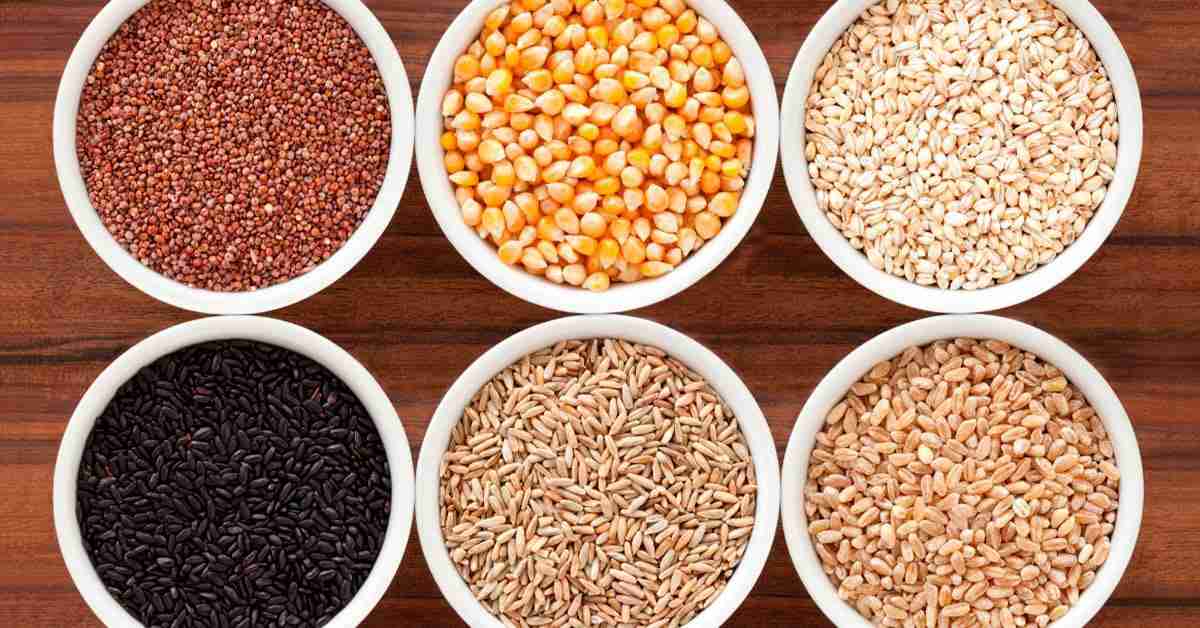
Understanding the Journey of Whole Grains from Field to Factory
The journey of whole grains begins in the field, where every kernel tells a story of careful cultivation and climate. Farmers meticulously select the best seeds, which are planted in nutrient-rich soil under the watchful eye of nature. Various factors play a crucial role in this initial stage, including temperature, moisture, and sunlight. As the grains grow, they undergo natural processes of germination and maturation, culminating in a harvest that marks the transition from field to factory. Once harvested, the grains are carefully collected and tested for quality before being transported to processing facilities, ensuring that only the finest make it to our breakfast tables.
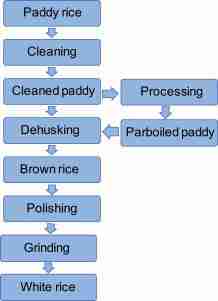
In the processing factories, the real transformation occurs. Here, grains are cleaned, hulled, and milled to maintain their essential nutrients while enhancing flavor and texture. This step involves a combination of mechanical removal and thermal treatments, which preserve the heart of the grain while eliminating any impurities. Once milled, the grains can be further processed into various forms such as flour, flakes, or even ready-to-eat cereals. The following table outlines the common processing methods and their subsequent products:
| Processing Method | End Product |
|---|---|
| Cleaning | Whole grains |
| Hulling | Brown rice, oats |
| Milling | Flour, bran |
| Flaking | Corn flakes, oat flakes |
Exploring the Techniques Behind Cereal Processing
Cereal processing is an intricate blend of science and art, transforming raw grains into the beloved breakfast staples we consume daily. Milling, the initial step, breaks down the grain into flour or meal, through both traditional stone grinding and modern roller milling. The choice of milling technique can significantly influence texture and flavor, highlighting the importance of selecting the right method for different cereal types. After milling, sifting follows to separate the finer particles from coarser ones, ensuring a consistent product. This process not only enhances the baking properties but also contributes to the end product’s overall quality.
Once the grains are milled, a variety of cooking and processing techniques come into play to enhance flavor and texture. Toasting involves exposing the grains to heat, which develops a nutty aroma and flavor profile that makes cereals more palatable. In addition, flaking is used to create that characteristic crunch, where cooked grains are flattened and dried. Some cereals even go through a process called puffing, where heat and pressure create a delightful puffed texture, perfect for snacking. Below is a concise table describing these techniques:
| Cereal Processing Technique | Description |
|---|---|
| Milling | Grinding grains into flour or meal. |
| Sifting | Separating finer particles for uniformity. |
| Toasting | Enhancing flavor through heat exposure. |
| Flaking | Flattening cooked grains for crunch. |
| Puffing | Creating light, airy textures through heat and pressure. |

Nutritional Transformations: What Happens During Cereal Production
During cereal production, a series of complex transformations occur, fundamentally altering the nutritional profile of the grains that eventually fill our breakfast bowls. Initially, whole grains undergo milling, a process that separates the bran, germ, and endosperm. Each component plays a unique role in nutrition. Bran, rich in fiber, helps with digestion; the germ contains essential vitamins and minerals; while the endosperm is primarily carbohydrate. However, during production, refining often removes both the bran and germ, leaving just the starchy endosperm, which is lower in nutrients.
As the grains transition through various stages—cleaning, conditioning, and cooking—additional changes enhance flavor and texture. The fortification process, where nutrients like iron and B vitamins are added, counters some of the nutritional losses incurred during refining. Various treatments, including flaking, puffing, and toasting, not only improve taste and digestibility but can also affect nutrient availability. Understanding these transformations sheds light on the cereal’s final form and nutritional content available to consumers.
| Cereal Component | Nutritional Contribution |
|---|---|
| Bran | High in fiber, supports digestion |
| Germ | Rich in vitamins and healthy fats |
| Endosperm | Main source of carbohydrates |
Choosing the Right Cereal: Tips for Health-Conscious Consumers
When it comes to selecting a cereal that aligns with your health-conscious lifestyle, there are several key factors to keep in mind. Start by scrutinizing the nutrition label, focusing on essential nutrients such as fiber, protein, and sugars. Aim for cereals with at least 3 grams of fiber per serving and less than 10 grams of sugar to maintain balanced energy levels throughout the morning. Additionally, consider the type of grains used; whole grains provide more nutrients compared to refined grains. A quick glance at the ingredient list can reveal much about the cereal’s quality. Look for terms like “whole grain” as the first ingredient to ensure you’re making a wholesome choice.
Another vital aspect to explore is the ecological footprint of your cereal choice. Many brands now offer organic options, which can be a healthier and more sustainable choice. If you’re trying to minimize your environmental impact, look for cereals packaged in recyclable or biodegradable materials. You might also wish to consider brands that prioritize fair trade practices or support local agriculture. Here’s a snapshot of some popular cereal types and their nutritional specs that can help guide your purchase decision:
| Cereal Type | Whole Grain | Fiber (g) | Sugar (g) |
|---|---|---|---|
| Oatmeal | ✔ | 4 | 1 |
| Granola | Varies | 2 | 8 |
| Rice Cereal | ✖ | 1 | 10 |
| Bran Flakes | ✔ | 5 | 5 |
Key Takeaways
As we reach the end of our exploration into the intricate journey of cereal processing, it’s clear that what begins as humble grains transforms through a remarkable series of steps into the familiar, convenient breakfast staples we enjoy today. From the fields where golden wheat and hearty oats are harvested, to the sophisticated factories where science and tradition intersect, every stage in the process contributes to the final product that graces our breakfast tables.
This meticulous transformation not only highlights the ingenuity of food processing but also underscores the importance of understanding the origins of what we consume. Whether you savor each spoonful of your favorite flakes or enjoy a hearty bowl of granola, there’s a world of effort behind each crunchy bite.
As you pour your next serving, take a moment to appreciate the journey—from the seed planted in the soil to the satisfying crunch in your bowl. With newfound insight into the complexities of cereal processing, may you enjoy your breakfast with a deeper connection to the food that fuels your day. After all, every bowl tells a story, and now you hold a key to understanding that narrative. Happy munching!




