
Unpacking the Journey: Innovations in Corn Processing
Corn, often heralded as the golden grain of the Americas, has traveled through history as both sustenance and commerce, deeply woven into the fabric of cultures worldwide. Yet, beyond its status as a staple food source, there exists a captivating narrative of innovation that continues to transform the way we process and utilize this remarkable crop. From the ancient methods of the indigenous peoples who first cultivated it to the cutting-edge technologies of the modern age, the journey of corn processing is a testament to human ingenuity and adaptability. This article embarks on an exploration of the innovative techniques and breakthroughs that have emerged in the corn processing industry, shedding light on their impact on food production, sustainability, and the economy. Join us as we unpack the evolution of corn, revealing the fascinating developments that shape not just our plates, but the very essence of agricultural progress.
Exploring the Evolution of Corn Processing Technologies
The history of corn processing is a fascinating tale of innovation and adaptation. From its ancient beginnings in Mesoamerica, where indigenous peoples relied on rudimentary methods like grinding kernels with stones, the process has evolved considerably. Today, high-tech machinery and advanced techniques dominate the landscape, making corn one of the most versatile grains in modern food production. Some key milestones include:
- Decentralized milling: Establishing small mills allowed local communities to process corn effectively.
- Introduction of dry and wet milling: These methods transformed grain into a range of products, from cornmeal to sweeteners.
- Biotechnology advancements: Genetic modifications and improved hybrids increased yield and pest resistance, enhancing processing efficiency.
The 20th century witnessed a surge in mechanization and factory-scale production, which set the stage for the modern corn processing industry. Innovations such as continuous cooking and enzyme treatments have drastically improved the extraction of valuable components from corn, including starches and proteins. To capture the essence of this evolution, consider the following table illustrating some of the pivotal technologies in corn processing:
| Technology | Description | Impact |
|---|---|---|
| Dry Milling | Involves grinding corn into meal. | Produces cornmeal, grits, and other staples. |
| Wet Milling | Separation of corn’s starch and protein components. | Creates high-fructose corn syrup and biofuels. |
| Extrusion Technology | Combines heat, moisture, and pressure to process corn. | Enables creation of snacks and textured proteins. |

Sustainability in Corn Processing: Strategies for a Greener Future
Sustainable corn processing is transforming the agricultural landscape, leveraging innovative practices that minimize environmental impact while maximizing efficiency. Key strategies embody the following principles:
- Water Conservation: Employing advanced irrigation techniques and recycling wastewater to reduce overall water usage.
- Minimal Waste Production: Implementing closed-loop systems that convert byproducts into energy or useful materials.
- Energy Efficiency: Utilizing renewable energy sources, such as solar and wind, to power processing facilities.
- Organic Methods: Transitioning to organic farming practices that reduce reliance on synthetic fertilizers and pesticides.
- Local Sourcing: Partnering with local farmers to reduce transportation emissions and support regional economies.
Additionally, advancements in technology play a crucial role in promoting sustainability within corn processing. For example, the introduction of biotransformation processes allows for the conversion of corn starch into biodegradable materials, drastically reducing plastic waste. The table below illustrates the comparison of traditional versus innovative corn processing methods:
| Aspect | Traditional Methods | Innovative Methods |
|---|---|---|
| Energy Use | High fossil fuel consumption | Renewable energy integration |
| Waste Production | Significant byproduct waste | Closed-loop systems reducing waste |
| Water Usage | High water consumption | Efficient irrigation and recycling |

Enhancing Nutritional Value: Innovations in Corn Derivatives
One of the most compelling advancements in the realm of corn derivatives lies in the development of biofortified corn varieties. Scientists and agricultural innovators are crossbreeding traditional corn with high-nutrient strains to create products enriched with essential vitamins and minerals, such as iron and zinc. These fortified variants are proving indispensable in regions where malnutrition presents a pressing challenge. Not only do they promise improved health outcomes, but they also maintain the familiar taste and culinary versatility of traditional corn, ensuring widespread acceptance and usage.
Furthermore, the emergence of functional corn-based ingredients has added yet another layer of value to corn processing. By utilizing advanced milling techniques, corn can be transformed into a spectrum of nutrient-dense products that cater to various dietary needs and preferences. Some notable innovations include:
- High-fiber cornmeal: Rich in dietary fiber, promoting digestive health.
- Protein-enhanced corn snacks: Fortified with plant-based proteins to support active lifestyles.
- Corn oil with omega-3 fatty acids: Addressing heart health concerns while retaining cooking qualities.
Bringing these innovations to market requires collaboration between scientists, health professionals, and food manufacturers. A concerted effort to educate consumers about the benefits of these new corn derivatives is essential. The future of corn processing looks bright, paved by versatile, innovative products that not only enhance nutritional value but also encourage more sustainable food systems.
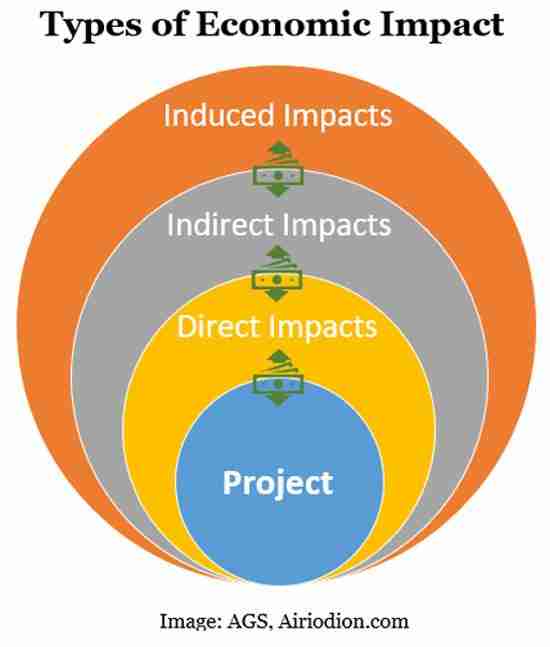
Economic Impacts of Advancements in Corn Processing Techniques
The evolution of corn processing techniques has sparked significant economic transformations across various sectors. By enhancing efficiency and reducing waste, modern methods have bolstered the profitability of corn as a staple crop. Key advancements include:
- Dry Milling Technology: Enables the extraction of high-value products like corn oil and sweeteners while minimizing energy usage.
- Wet Milling Innovations: Improve product yield and quality, allowing for increased production of starches and biodegradable plastics.
- Bioprocessing Developments: Utilize enzymes to convert corn into biofuels, reducing dependency on fossil fuels and promoting sustainable energy solutions.
As these techniques continue to evolve, their ripple effects within the agricultural economy become increasingly apparent. The introduction of cost-effective practices not only enhances farmers’ incomes but also creates new markets and job opportunities within the food processing and bioenergy sectors. This interconnected growth can be illustrated in the following table, showcasing projected job creation in various areas due to advancements in processing techniques:
| Sector | Projected Job Growth (2023-2030) |
|---|---|
| Corn Farming | 15,000 |
| Food Processing | 20,000 |
| Renewable Energy | 10,000 |
| Biosciences | 8,000 |
The combination of these factors demonstrates how innovations in corn processing not only elevate the crop’s economic status but also pave the way for a more diversified and sustainable agricultural landscape.
In Summary
As we conclude our exploration of the remarkable journey of corn processing, it’s clear that innovation lies at the heart of this vibrant industry. From the early days of manual milling to the cutting-edge technologies that shape modern processing methods, the evolution of how we transform corn is a testament to human ingenuity and adaptation. Each breakthrough not only enhances efficiency and sustainability but also opens new doors for culinary creativity and economic opportunities.
As we look to the future, one can’t help but wonder what lies ahead in this ongoing journey. Will we continue to witness groundbreaking advances that redefine our relationship with this staple crop? How will emerging technologies and environmental considerations influence the ways we process corn?
By unpacking the layers of innovation that have already transformed the landscape of corn processing, we equip ourselves with the knowledge to navigate a future ripe with potential. The journey is far from over, and as we savor the fruits of these innovations, we invite you to share in the dialogue, contributing to a narrative that celebrates both tradition and progress. Let’s continue to explore, innovate, and connect over the versatile and enduring legacy of corn.




