
Unpacking Corn Processing: From Field to Table
Corn, a vibrant staple woven into the fabric of many cultures, is much more than just a crop; it’s a journey that transforms a humble seed into a cornucopia of products enjoyed worldwide. As we take a closer look at the intricate path from field to table, we uncover the various processes that this golden grain undergoes. From the moment it sprouts in sunlit fields to its diverse applications in kitchens and industries alike, corn processing is a fascinating exploration of agriculture, technology, and culinary innovation. Join us as we unpack the stages of this remarkable journey, revealing how each step contributes to the flavors and functions of corn in our everyday lives.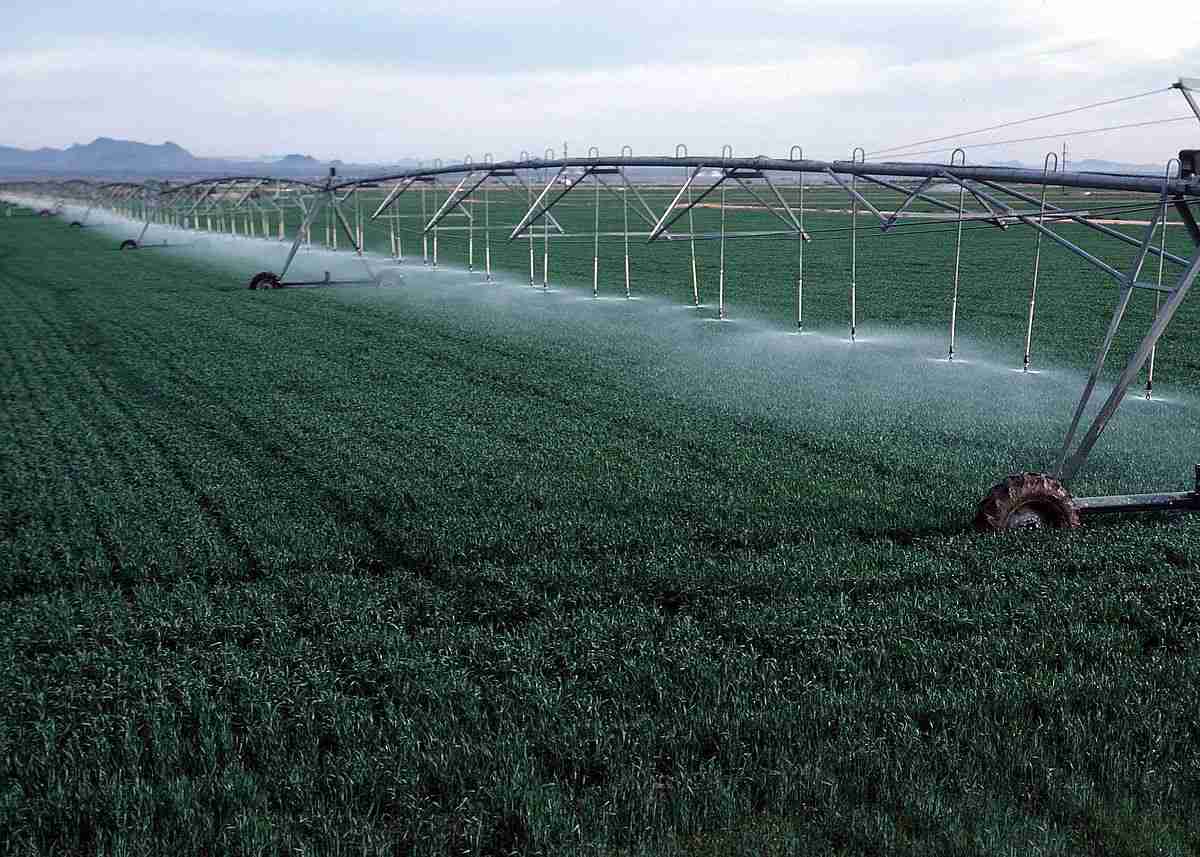
Exploring the Agricultural Journey of Corn: Cultivation to Harvest
The agricultural journey of corn begins with careful preparation of the soil, where farmers typically employ crop rotation and tillage practices to enhance soil health and fertility. Once the soil is primed, seeds are planted in rows, spaced adequately to maximize sunlight and nutrient intake. During the growth phase, essential elements—including water, sunlight, and nutrients—play critical roles in the development of robust plants. To sustain this growth, farmers often monitor for pests and diseases, implementing eco-friendly techniques such as the use of natural predators and crop diversity. As the weather warms and summer progresses, corn plants transform into towering green stalks, reaching their full height and preparing for flowering and fertilization.
As harvest approaches, attention shifts to the essential task of gathering the mature corn. This process is often marked by the use of combines that efficiently cut, husk, and separate the kernels from the cob. Post-harvest, the corn undergoes several processing stages to ensure it retains its quality. These stages may include drying to reduce moisture content, storing to prevent spoilage, and cleaning to remove any debris. Here are some common processing methods:
- Grinding: Transforming whole kernels into cornmeal or corn flour.
- Wet milling: Producing corn syrup, starch, and other derivatives.
- Dry milling: For making products like corn chips and tortillas.
| Processing Method | Products |
|---|---|
| Grinding | Cornmeal, Corn flour |
| Wet Milling | Corn Syrup, Starch |
| Dry Milling | Corn Chips, Tortillas |
Deciphering Corn Processing Techniques: From Milling to Extraction
Corn processing is a multifaceted journey that encompasses a variety of techniques, each critical to transforming raw kernels into the polished products we incorporate into our meals. Starting with milling, the most common technique, corn is ground into flour or meal, serving as a versatile ingredient in countless dishes. This process can be achieved through various methods, such as stone milling, which retains more nutrients, or roller milling, which produces finer grades of flour. Beyond milling, extraction techniques play a pivotal role, especially in producing corn oil and sweeteners. Through processes like wet milling, corn is divided into its components—starch, germ, and fiber—all of which can be utilized in different food applications and industrial uses.
Among the diverse extraction methods, dry milling remains popular for creating corn-based snacks and breakfast cereals. In this method, the entire kernel is ground without separating its constituents, leading to a more straightforward production line. Starch extraction, another key process, involves soaking corn in water and applying enzymes to convert starch into simple sugars, essential for creating products like high-fructose corn syrup. The table below highlights these various processing techniques, showcasing their primary outcomes and applications in the food industry:
| Processing Technique | Primary Outcome | Common Applications |
|---|---|---|
| Milling | Flour or Meal | Breads, Corn Tortillas, Cereals |
| Wet Milling | Starch, Oil, Sweeteners | Soft Drinks, Cooking Oil |
| Dry Milling | Ground Corn Products | Snacks, Breakfast Cereals |
| Starch Extraction | Sugars | Sweeteners, Fermentation |

Nutritional Benefits and Varieties: Understanding Corns Role on Our Plates
Corn has long been a staple in diets around the world, revered not only for its versatility but also for its remarkable nutritional profile. Rich in essential nutrients, it provides a healthy dose of carbohydrates to fuel our energy needs, making it an excellent source for active individuals. Additionally, corn is packed with fiber, promoting digestive health and helping to maintain a healthy weight. Notably, corn is also a source of antioxidants, such as lutein and zeaxanthin, which are beneficial for eye health. Other important nutrients found in corn include:
- Vitamin B6: Supports metabolic processes.
- Iron: Crucial for oxygen transport in the body.
- Magnesium: Helps in muscle and nerve function.
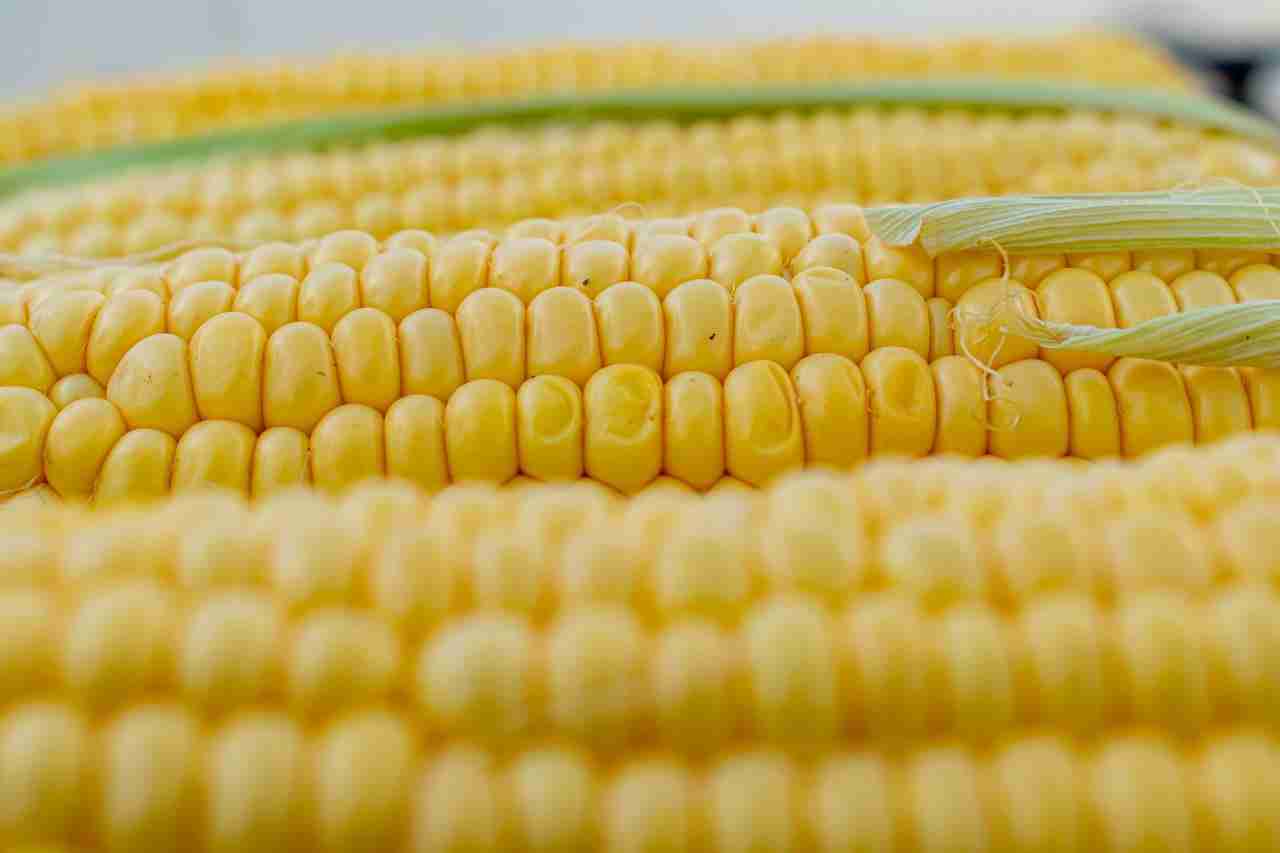
The variations of corn play a significant role in how it is utilized in culinary preparations, with each type bringing its unique flavor and texture. The most common varieties include sweet corn, known for its tender kernels and high sugar content, which makes it a popular addition to salads and side dishes. Popcorn, with its hard outer shell, offers a fun and healthy snack when air-popped. Meanwhile, cornmeal, derived from ground corn, serves as a versatile ingredient in cooking, forming the base for cornbread, polenta, and numerous other dishes. Here’s a quick comparison of these different types:
| Type of Corn | Common Uses | Taste Profile |
|---|---|---|
| Sweet Corn | Salads, Side Dishes | Sweet and Tender |
| Popcorn | Snacks | Light and Buttery |
| Cornmeal | Corbread, Polenta | Earthy and Mild |

Sustainable Practices in Corn Processing: Recommendations for a Greener Future
In the quest for a greener future, the corn processing industry has the potential to implement a variety of sustainable practices that not only enhance environmental stewardship but also promote economic viability. Key recommendations include:
- Water Conservation: Utilizing advanced irrigation technologies like drip systems can significantly reduce water waste.
- Energy Efficiency: Transitioning to renewable energy sources, such as solar or wind power, can diminish the carbon footprint of processing facilities.
- Waste Reduction: Implementing a circular economy approach where by-products are used for animal feed or biofuel can minimize waste.
- Sustainable Sourcing: Partnering with local farmers who practice regenerative agriculture can support biodiversity and reduce transportation emissions.
Additionally, engaging in research and development can lead to innovative processing methods that further decrease environmental impact. The following table summarizes effective strategies:
| Strategy | Impact |
|---|---|
| Bio-Based Packaging | Reduces plastic waste |
| Crop Rotation | Enhances soil health |
| Precision Agriculture | Optimizes resource use |
| Community Engagement | Builds local partnerships |
By adopting these practices, the corn processing industry can make significant strides towards sustainability, ensuring that the journey from field to table aligns with a commitment to environmental and social responsibility.
In Summary
As we conclude our exploration of corn processing, we’ve journeyed from the sun-soaked fields where this versatile crop begins its life to the vibrant tables where it becomes an integral part of our meals. Each stage of this fascinating journey – from cultivation and harvesting to processing and distribution – is a testament to the ingenuity and resilience of agricultural practices and technologies.
Corn is far more than just a staple food; it is a key player in the global economy and a crucial ingredient in countless culinary traditions. Understanding the nuances of corn processing not only enlightens us about our food sources but also allows us to appreciate the intricate systems that make our meals possible.
As you savor your next dish featuring corn, take a moment to recognize the journey it has undertaken. With each bite, you contribute to a complex narrative woven from the hand of nature and the expertise of many. So, let’s embrace this connection, nourish our bodies, and continue to engage with the story behind our food. After all, every grain tells a tale, and corn has much to say.




