Unpacking Corn Processing: From Cob to Consumer
Corn is more than just a staple grain; it is a versatile ingredient that weaves its way into our daily lives in countless forms. From the vibrant fields that stretch across the countryside to the processed products lining grocery store shelves,corn processing is a engaging journey that transforms raw,sun-kissed cobs into essential components of our diets and industries alike. As we unpack this intricate process, we’ll explore the multifaceted journey of corn—from the moment it is harvested, through the various methods of processing, to its final destination on the consumer’s plate. Join us as we delve into the science, innovation, and artistry behind one of the world’s most beloved crops, revealing how it continues to shape our culinary landscape and economy.
Understanding the Journey of Corn: From Farm to Factory
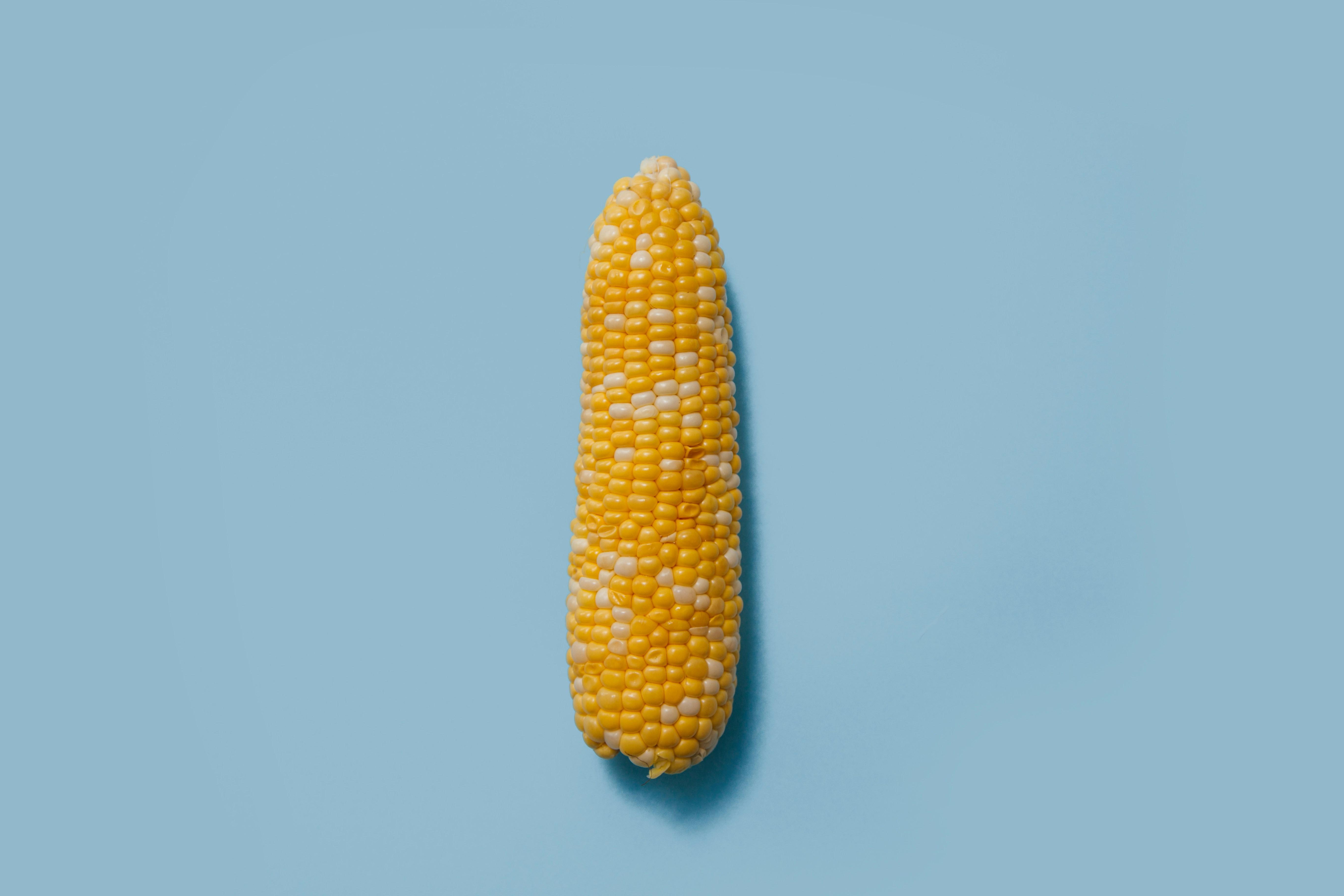
Every kernel of corn has a story to tell, beginning its life in the fertile fields where it grows under the nurturing sun. Farmers painstakingly cultivate these golden crops, ensuring that each ear is healthy and full of promise. The moment harvested, the journey transforms from pastoral to industrial, where corn finds its way to processing facilities. Here, it undergoes a remarkable metamorphosis, where the focus shifts from field to factory, revealing an array of processes and technologies that enhance its value and versatility.
Once at the processing plant, non-GMO and GMO corns are separated and thoroughly cleaned. From here,corn can take several paths,transforming into various products that permeate our food systems.Some of the key transformations include:
- Cornmeal: Ground to create a staple for baking and cooking.
- Corn syrup: A sweetener used in many processed foods.
- Corn starch: Extracted for use as a thickening agent in sauces and soups.
- Animal feed: A primary source of nutrition for livestock.
| Product | Use |
|---|---|
| Corn Oil | Cooking and frying |
| Ethylene | Plastic and fuel production |
| Popcorn | snack food |
This elaborate journey doesn’t stop at producing food. Corn is also pivotal in various industries, contributing significantly to items beyond the dinner plate. Its versatility as a renewable resource opens up avenues for biodegradable plastics, biofuels, and even pharmaceuticals. Understanding how corn transitions from cob to consumer is crucial, as it reveals the interconnectedness of agriculture, industry, and daily life.
Exploring the Key Methods in Corn Processing

Innovations in Corn Processing Technology
Recent advancements in corn processing technology have revolutionized how we transform this staple crop into various products. Innovations have made the process more efficient and sustainable, minimizing waste and energy consumption. Key technological developments include:
- Dry Milling Techniques: This method streamlines the production of corn-based products like cornmeal and grits,using less water and energy than conventional wet milling.
- Enzymatic Processing: By utilizing enzymes, processors can break down starches into sugars more effectively, resulting in higher yields for sweeteners and biofuels.
- Advanced Separation Technologies: New filtration and separation methods allow for the extraction of valuable components while retaining the integrity of other corn products.
The integration of automation and artificial intelligence in corn processing has also played a crucial role in enhancing productivity. Systems that monitor and adjust variables in real time ensure optimal output while reducing human error. Some notable benefits of these innovations include:
| Benefit | Description |
|---|---|
| Cost Reduction | Lower operational costs through energy efficiency and reduced labor needs. |
| Enhanced Product Quality | Consistent texture and flavor profiles due to precise processing conditions. |
| Sustainability | Less waste and decreased carbon footprint through advanced technologies. |

Ensuring Quality and Sustainability in corn Supply Chains
- Traceability: Implementing advanced technology such as blockchain can enhance transparency,allowing stakeholders to track corn from farm to shelf.
- Certification Programs: Engaging in certified sustainability programs ensures adherence to best practices, promoting environmentally kind farming techniques.
- Collaboration: building partnerships among farmers,processors,and retailers can improve resource sharing and reduce waste across the supply chain.
To maintain high-quality standards, continuous monitoring of the corn processing stages is essential. regular inspections at various points—from harvesting to packaging—can help identify potential issues early,ensuring the end product meets consumer expectations. Furthermore, investing in modern processing equipment enhances efficiency and reduces environmental impact, fostering sustainable practices within the industry. Engaging farmers through educational programs can elevate their understanding of sustainable farming practices, allowing them to contribute positively to the overarching sustainability goals.
Utilizing a well-structured supply chain can optimize both quality and sustainability. By analyzing the following key elements, companies can implement improvements:
| Element | Practice |
|---|---|
| water Management | Using precision irrigation to minimize waste |
| Soil Health | Adopting cover crops and crop rotation methods |
| Pesticide Usage | Implementing integrated pest management strategies |
| Energy Efficiency | Investing in renewable energy sources for processing plants |
This ongoing commitment to improving practices and maintaining a focus on the habitat ensures a thriving corn supply chain that is both sustainable and of the highest quality.
Key Takeaways
As we conclude our exploration of corn processing, we find ourselves at the intersection of tradition and innovation, where every kernel tells a story. From the bustling fields where corn is harvested to the intricate processes that transform it into a myriad of consumer products, each step reveals the complex relationship between agriculture and industry. Understanding this journey not only enriches our gratitude for one of the world’s most versatile crops but also highlights the importance of sustainable practices in meeting the needs of a growing population. Whether it graces your dinner table as a wholesome side dish or serves as a key ingredient in your favorite snack, the path from cob to consumer is a testament to human ingenuity and the vital role that corn continues to play in our lives.As we savor the final product, let us remain mindful of the efforts that bring it there, fostering a deeper connection to the land and the communities that nurture it. Thank you for joining us on this enlightening journey through the fascinating world of corn processing.