Unlocking the Secrets of Corn: A Journey Through Processing
Corn, often dubbed “the golden crop,” is more than just a staple food; it is a multifaceted marvel that weaves its way into the fabric of our daily lives. From breakfast cereals and tortillas to biodegradable plastics and biofuels, this humble grain transcends its earthen origins to play an integral role in various industries. But have you ever paused to consider what lies behind the scenes? The journey of corn, from field to fork and beyond, is a fascinating tale of conversion and innovation. In this article, we will delve into the intricate processes that unlock the potential of corn, exploring the science, history, and craftsmanship involved in its processing. Join us as we navigate the pathways that turn this ancient crop into the myriad products we rely on, revealing the secrets that lie within every kernel.
Exploring the Lifecycle of Corn from Field to Fork
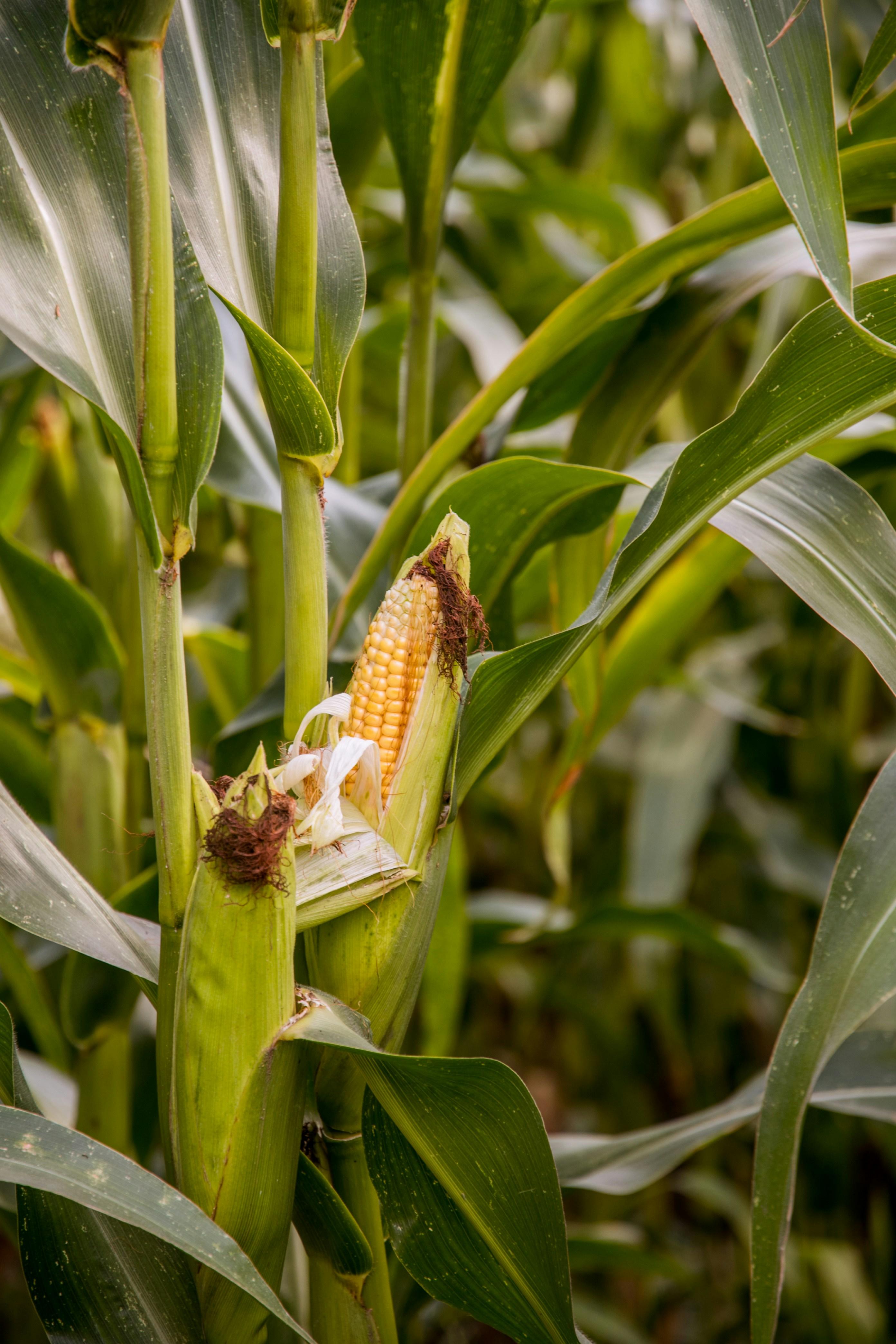
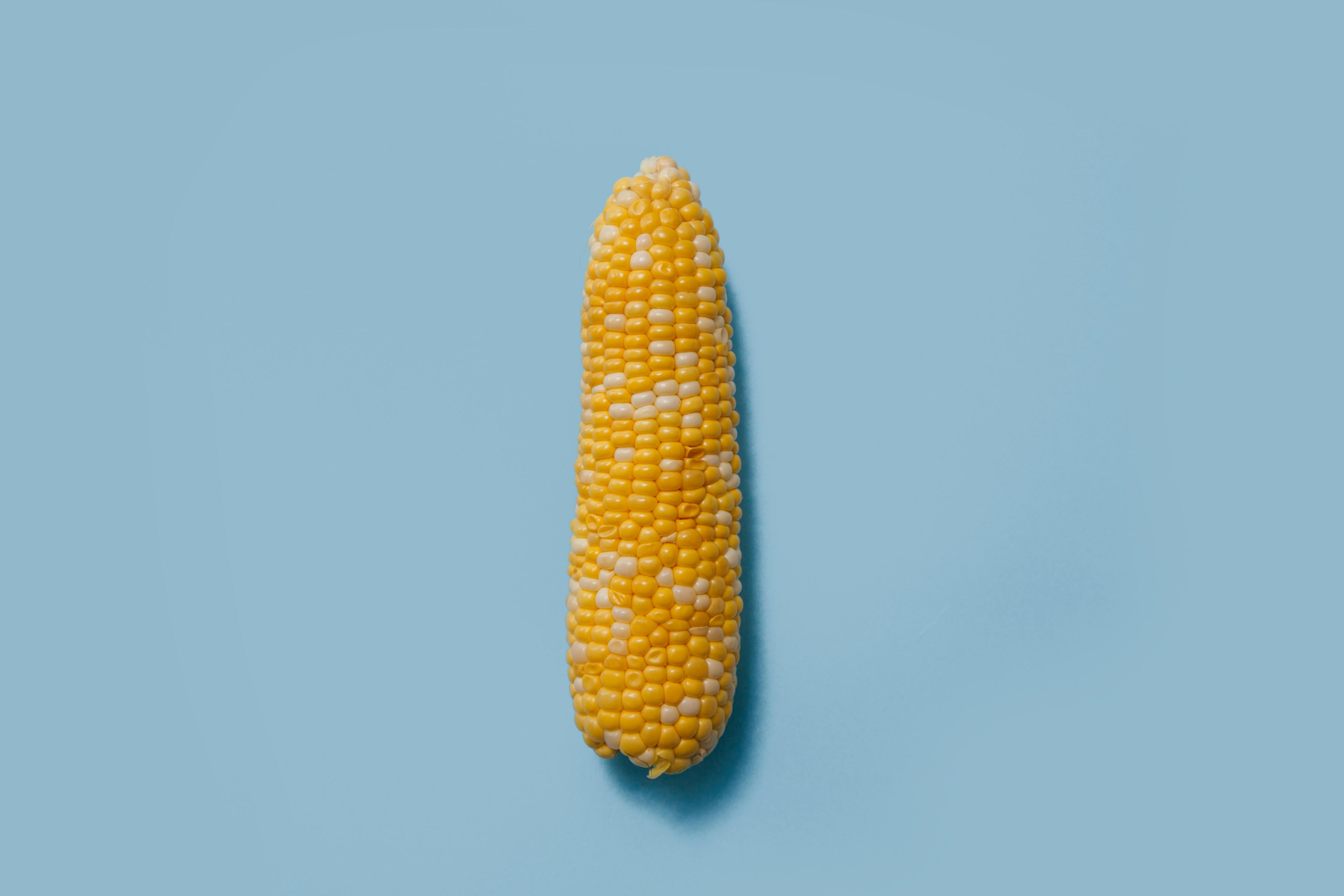
Corn, a staple crop cherished across the globe, embarks on a fascinating journey from sun-kissed fields to dinner tables. The lifecycle begins wiht planting, where farmers meticulously prepare the soil, ensuring optimal conditions for seed germination. As the plants sprout,they harness sunlight and rain to grow sturdy and tall,ultimately leading to the formation of golden ears. Harvesting is a crucial milestone; through modern machinery,farmers gather the ripe ears,ensuring that every kernel is ready for processing. Once harvested, corn undergoes drying and cooling to preserve its freshness and protect it from spoilage.
The next stage involves processing,where corn is transformed into a myriad of products. This journey often follows these pathways:
- Fresh Corn Products: Corn on the cob, frozen kernels, and canned varieties.
- Processed Corn Products: Cornmeal, cornstarch, and corn syrup.
- Animal Feed: By-products from processing are often used as nutritious feed.
Throughout this journey, the versatility of corn shines, showcasing its ability to adapt to various cuisines and culinary traditions. Below is a simple overview of common corn products and their uses:
| Product | Usage |
|---|---|
| Cornmeal | Baking and cooking |
| Corn Syrup | Sweetener in processed foods |
| Popcorn | Snacking |
Decoding the processing Techniques Behind Corn’s Transformation
Corn, once a humble grain, has been transformed through various processing techniques that unlock its potential and versatility. Wet milling is one of the primary methods used, allowing for the separation of corn into its constituent components, such as starch, protein, and fiber. This technique can be broken down into several phases, including steeping, grinding, and centrifugation, each crucial for producing a myriad of corn-derived products. Key outcomes of wet milling include corn syrup, ethanol, and sweeteners, catering to both food and industrial applications.
Another meaningful technique is dry milling, which focuses on grinding the corn kernel into a finer powder for products like cornmeal and corn flour. The simplicity of this method belies its importance, as it enhances the flavor and texture of baked goods and other culinary delights. Additionally, emerging technologies such as extrusion are reshaping how corn can be utilized, allowing for the creation of snack foods, breakfast cereals, and other processed items with unique textures. The interplay of these techniques ensures that corn remains a staple in both our diets and the economy, continuously adapting to meet changing consumer demands.
| Processing Technique | Main Products |
|---|---|
| Wet Milling | Corn syrup, ethanol, sweeteners |
| dry Milling | Cornmeal, corn flour |
| Extrusion | Snack foods, cereals |
Nutritional Profiles and Health Benefits of Processed Corn Products
processed corn products, ranging from corn syrup to tortillas, carry a variety of nutritional profiles that can impact overall health. These products often retain some essential nutrients of whole corn, such as fibers, vitamins (B6, folate), and minerals (magnesium, phosphorus). However, the level of processing can alter their nutritional value considerably. while whole corn is celebrated for its antioxidant properties and health benefits, processing methods can sometimes strip these advantages, leading to a product that may be higher in calories and lower in nutrients. Still, certain derivatives like cornmeal and polenta provide complex carbohydrates and can serve as a great energy source, suitable for active lifestyles.
the health benefits of consuming processed corn products can be notable when incorporated into a balanced diet. These products can contribute to intestinal health through dietary fiber, support heart health through the provision of heart-kind nutrients, and even assist in weight management by promoting satiety. For example, foods rich in fiber lower the risk of digestive disorders, while compounds in corn such as lutein and zeaxanthin may enhance eye health. Below is a simple comparison of popular processed corn products and their notable nutrients:
| Processed Corn Product | Key Nutrients | Health Benefits |
|---|---|---|
| Cornmeal | Fiber, Vitamins B | Boosts digestion, energy source |
| Corn Syrup | Carbohydrates | Quick energy, but high in sugar |
| Tortillas | Fiber, Calcium | Supports weight management, gut health |
Innovative Uses of Corn in the Modern Culinary Landscape
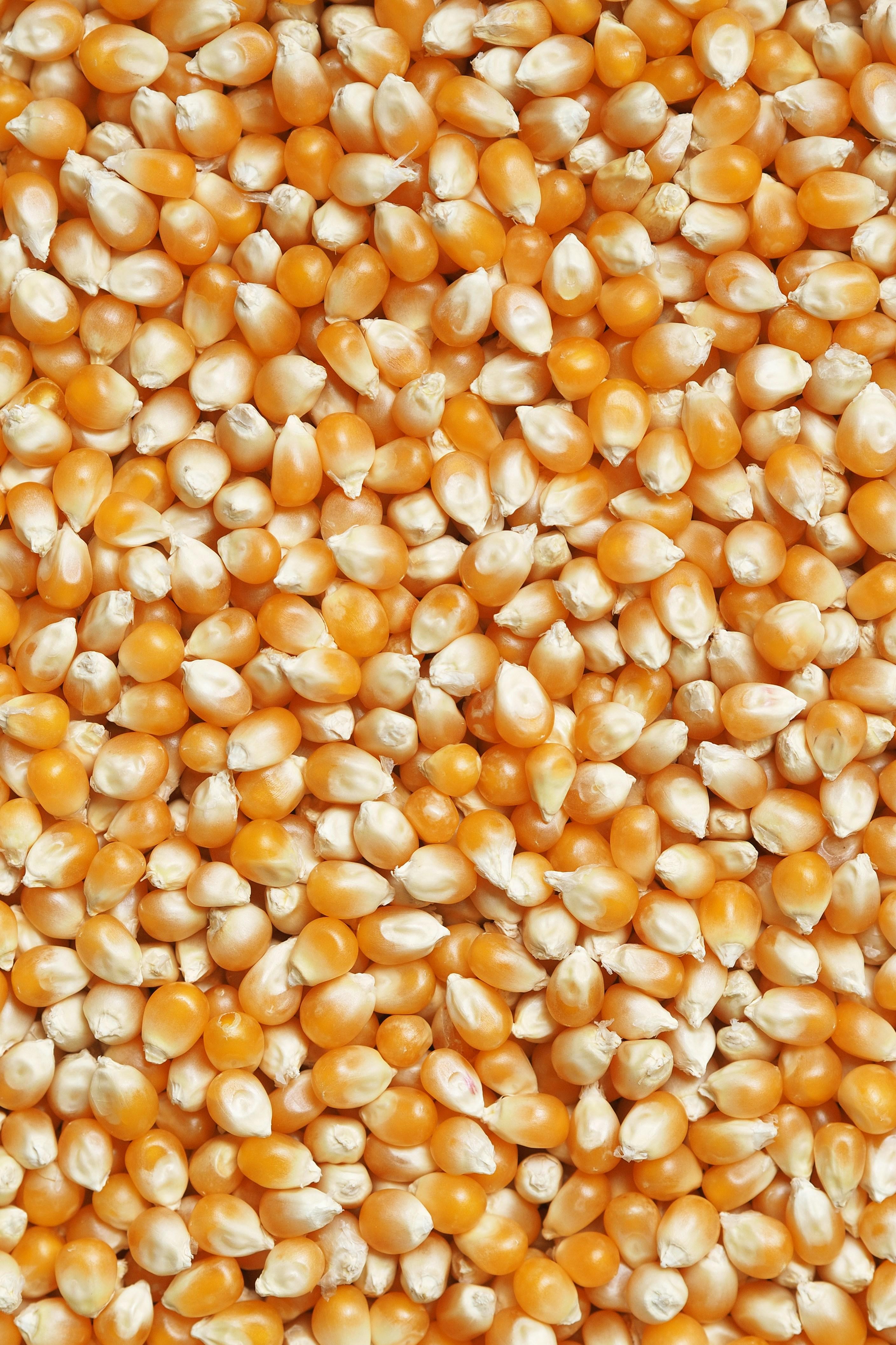
Corn has transcended its customary role as a staple grain, emerging as a versatile ingredient in today’s innovative culinary scene. Chefs and food enthusiasts alike are discovering new dimensions of flavor and texture by incorporating corn in unexpected ways. Its sweet, earthy notes lend themselves beautifully to a variety of dishes, making it a popular choice for both savory and sweet creations. from roasted corn salsa to corn-infused beverages, the adaptability of this grain is truly remarkable. Even desserts, such as corn panna cotta and corn ice cream, showcase its versatility, convincing discerning palates that this humble crop can charm in even the most refined settings.
The processing techniques applied to corn have further expanded its culinary potential. For instance, nixtamalization, a traditional method used to prepare corn for tortillas, enhances its nutritional value while adding a unique depth of flavor.Not only does this technique yield appetizing results, but the use of freshly ground masa has led to a resurgence in artisanal corn products. Additionally, the exploration of cornstarch and corn syrup in commercial kitchens reveals their role as thickening agents or sweeteners, respectively. To illustrate the scope of corn’s culinary applications,consider the following table:
| Culinary Use | Processing Method |
|---|---|
| Homemade Tortillas | Nixtamalization |
| Cornbread | Grinding |
| Corn Whiskey | Mash Fermentation |
| Popcorn | Heating & Expansion |
To Wrap It Up
as we conclude our exploration of the intricate world of corn processing,we uncover not just a grain,but a tapestry of cultural importance and innovation. From the golden fields to the bustling processing plants, corn transforms through various stages, each revealing a new aspect of its versatility that touches countless lives. This journey has illuminated the remarkable synergy between nature and technology, highlighting the dedication of those who bring this staple to our tables.
As we continue to unlock the secrets of corn, we see its potential expand beyond food. From bioplastics to biofuels,the possibilities are as expansive as the cornfields themselves. The next time you bite into a warm cornbread muffin or enjoy a sweet ear of corn in the summertime,remember the journey it undertook to reach you. It’s a reminder of our connection to the earth and the enduring importance of lasting practices in agriculture.
In the ever-evolving narrative of corn, we invite you to contemplate not just what corn can do for us, but what we can do to honour its legacy.Awareness is the first step toward appreciation, and with knowledge comes responsibility. As we savor corn in all its forms, let’s strive to champion the mindful cultivation and processing that ensure these golden kernels continue to nourish generations to come.