
In the bustling corridors of modern food production, where convenience meets innovation, cereal processing stands as a fascinating testament to our ability to transform humble grains into breakfast staples enjoyed around the globe. From the nostalgic snap, crackle, and pop of rice cereals to the hearty crunch of whole grain flakes, the journey from field to table is a complex interplay of science, technology, and art. While many consumers may tear open a box of their favorite cereal without a second thought, the intricate processes behind each bite tell a story of advanced engineering, nutritional science, and consumer trends. In this article, we will delve into the secrets of cereal processing, unveiling the modern techniques that not only enhance flavor and texture but also ensure that every spoonful delivers on health and sustainability. Join us as we explore how innovation is reshaping this age-old staple and what it means for the future of our breakfast bowls.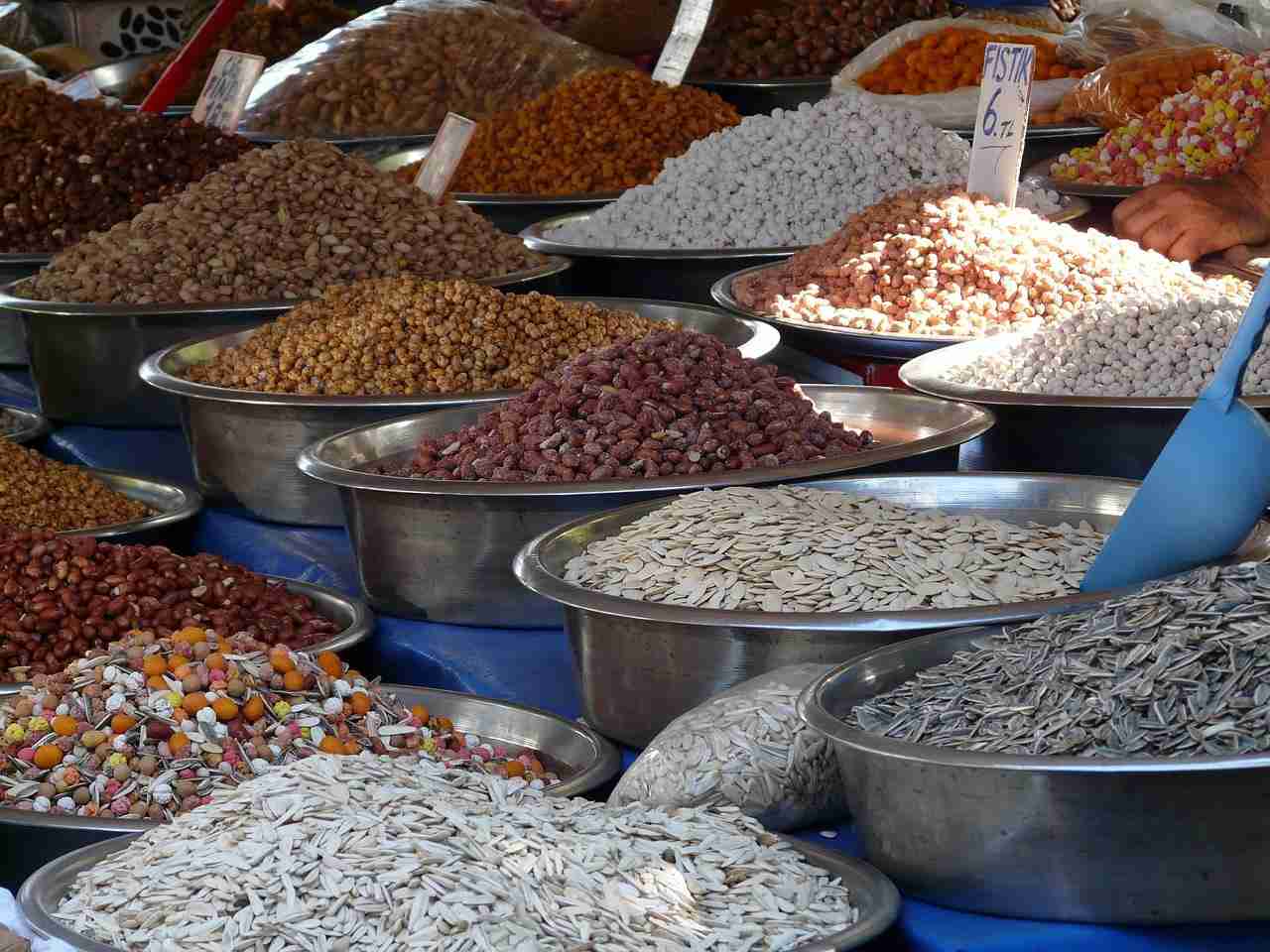
Exploring the Innovations in Grain Selection and Quality Control
The landscape of grain selection and quality control has witnessed revolutionary changes thanks to advances in technology and a deeper understanding of agricultural practices. Precision agriculture, equipped with GPS and IoT devices, allows farmers to monitor and analyze their fields in real time, leading to the selection of grain varieties that are not only high-yielding but also resilient to climate variabilities. Additionally, innovative soil testing techniques, coupled with the integration of data analytics, empower producers to make informed decisions about which grains to plant and when, optimizing both quality and quantity.
Moreover, quality control is being transformed through the use of machine learning algorithms and automated systems that can rapidly assess grain quality based on various parameters. By employing technologies such as near-infrared (NIR) spectroscopy, processors can evaluate the nutritional content and moisture levels of grains on-site, minimizing waste and maximizing efficiency. The implementation of continuous quality monitoring systems ensures that grains meet specific health standards and consumer preferences. These methods not only enhance the quality of the end product but also promote sustainability in cereal processing.
| Innovation | Description |
|---|---|
| Precision Agriculture | Utilizes technology to optimize crop selection and farming techniques. |
| Soil Testing | Advanced analysis to determine best grain varieties for specific locations. |
| NIR Spectroscopy | Rapid assessment of grain quality through light-based technology. |
| Machine Learning | Automated systems for constant quality verification during processing. |

Transforming Raw Ingredients into Nutritious Breakfast Classics
Crafting a breakfast classic from raw ingredients involves a delicate dance of tradition and innovation. The journey begins with selecting high-quality grains, such as oats, wheat, and rice, which serve as the foundation for many beloved cereals. Each grain has its unique flavor and texture, which contributes to the final product. After harvesting, the grains undergo various processing stages, including:
- Cleaning: Removing impurities to ensure purity.
- Toasting: Enhancing flavor through controlled heat.
- Flaking: Flattening grains for that crispy texture.
- Mixing: Combining with nuts, fruits, and sweeteners for added nutrition and taste.
This meticulous process transforms the humble grain into a cereal that not only satisfies hunger but also nourishes the body. Nutritional profiles are further enhanced by fortifying original grains with vitamins and minerals, making breakfast not just a meal but a vital component of a health-conscious lifestyle. Below is a glimpse of a typical nutritional breakdown found in breakfast cereals:
| Nutrient | Amount per Serving | % Daily Value |
|---|---|---|
| Calories | 150 | 7% |
| Fiber | 5g | 20% |
| Protein | 4g | 8% |
| Sugar | 5g | 10% |
| Iron | 4mg | 22% |
This combination of nature’s best ingredients, combined with modern processing techniques, results in breakfast options that delight the palate and support overall health. As consumer preferences evolve toward cleaner, more transparent food choices, understanding this transformation becomes crucial for anyone passionate about fostering nutritious eating habits.

The Role of Technology in Enhancing Efficiency and Sustainability
In the dynamic landscape of cereal processing, technology plays a pivotal role in streamlining operations while promoting sustainable practices. Innovations such as automated sorting systems and sensor technologies enable processors to enhance efficiency by significantly reducing waste and improving product quality. By integrating data analytics, manufacturers can optimize their production lines, ensuring that every grain is utilized effectively. This shift not only maximizes output but also minimizes environmental impact, contributing to a more sustainable food system.
The integration of renewable energy sources is another key aspect in enhancing sustainability within this sector. Operations are increasingly powered by solar and wind energy, which helps reduce reliance on fossil fuels. Moreover, advancements in machinery such as energy-efficient milling and co-generation systems allow for a substantial cut in energy consumption. The table below illustrates the comparative benefits of these technologies:
| Technology | Efficiency Improvement | Sustainability Benefits |
|---|---|---|
| Automated Sorting Systems | Up to 30% reduction in waste | Enhanced quality control |
| Solar Energy | Up to 70% renewable power | Lower carbon footprint |
| Energy-Efficient Milling | 20% less energy consumed | Reduced resource depletion |

Future Trends Shaping the Cereal Processing Industry
The cereal processing industry is poised for innovative transformations driven by technological advancements and changing consumer preferences. As health-conscious choices gain momentum, manufacturers are focusing on clean labeling, emphasizing transparency regarding ingredients. This trend encourages the utilization of whole grains, plant-based ingredients, and nutritional fortification that cater to the rising demand for wholesome and functional foods. Furthermore, the incorporation of smart technologies—such as IoT and AI—allows for real-time monitoring and adjustment of processing parameters, thereby enhancing product quality and operational efficiency.
Equally transformative is the increasing shift toward sustainability within the cereal processing sector. As environmental concerns rise, stakeholders are adopting practices that minimize waste and carbon footprints, which include upcycling by-products and sourcing raw materials from eco-friendly suppliers. Innovations like vertical farming and precision agriculture are projected to revolutionize ingredient sourcing by providing fresher, locally-grown options. Moreover, advances in packaging technologies are making it possible to reduce plastic waste by utilizing biodegradable materials and designs that enhance product shelf-life while maintaining a commitment to environmental stewardship.
Future Outlook
As we conclude our exploration of cereal processing, we find ourselves at the intersection of tradition and innovation. While the methods of transforming raw grains into the beloved breakfast staples we enjoy today may seem mundane, they are in fact a fascinating amalgamation of science, engineering, and artistry. The modern approach not only embraces technological advancements but also prioritizes sustainability and nutrition, ensuring that the cereal industry can meet the demands of a changing world.
In the labyrinth of processing techniques, we’ve unearthed the intricate dance between nature and technology—where each grain tells a story and every crunch provides a glimpse into the meticulous journey it undertook from field to table. As we look to the future, it becomes clear that these secrets, once hidden, are unlocking new possibilities for healthier, more efficient, and more sustainable cereal products.
So, whether you pour your morning bowl for the timeless comfort of nostalgia or the fuel for a busy day ahead, remember that each spoonful represents more than just breakfast; it symbolizes the ongoing evolution of food science and the commitment to enhancing our culinary experiences. With every bite, we celebrate not only the fruits of ingenuity but also the shared stories and connections that a simple bowl of cereal can hold.




