
Unlocking the Secrets of Cereal Milling: A Grain Odyssey
In a world where the humble grain undergoes a remarkable transformation from field to table, the art and science of cereal milling emerges as a fascinating journey worthy of exploration. Beyond the simple act of grinding grain lies a complex interplay of agricultural practices, technological advancements, and culinary traditions that have evolved over centuries. As we embark on this grain odyssey, we will peel back the layers of history and innovation, revealing the intricate processes that turn golden kernels into the flours and cereals we recognize and rely on today. Join us as we delve into the secrets of cereal milling, uncovering the craftsmanship and ingenuity that shape our daily sustenance and influence cultures around the globe. Whether you are a seasoned chef, a curious food enthusiast, or simply someone who enjoys a wholesome breakfast, the story of cereal milling promises insights that connect us all through the grains we cherish.
Exploring the Ancient Artistry of Grain Selection
The journey of cereal milling begins long before the grain enters the mill. It is a testament to the expertise of ancient artisans who understood the diverse types of grains and their unique characteristics. Proficient grain selection requires an eye for quality and an understanding of the intended purpose of the final product. From the robust texture of whole grains that lend themselves to rustic bread to the delicate varieties used for pastries, each selection speaks volumes about cultural traditions and culinary practices. The nuances in flavor, nutritional properties, and baking performance are paramount in this artisanal craft.
Alongside these considerations lies the crucial role of regional availability and environmental conditions that affect grain quality. Farmers and millers alike have contributed to a rich tapestry of local grain varieties, often characterized by unique traits tied to their geographical origins. For a clearer insight into the impact of grain characteristics on milling, consider the following table showcasing various grains and their corresponding attributes:
| Grain Type | Texture | Common Uses |
|---|---|---|
| Wheat | Hard or Soft | Bread, Pastries |
| Rye | Dense | Rye Bread, Crackers |
| Corn | Coarse | Polenta, Cornmeal |
| Barley | Chewy | Soups, Stews, Beers |
| Oats | Soft | Granola, Oatmeal |
The Milling Process Unveiled: Techniques and Technologies
The journey of transforming whole grains into finely milled products begins with a careful selection of techniques tailored to the unique characteristics of each grain type. The two primary methods, stone milling and roller milling, each bring distinct advantages to the milling process. Stone milling, often revered for preserving the grain’s natural texture and nutrients, employs flat stones to crush grains, producing a coarser flour that embodies the essence of the grain. Conversely, roller milling revolutionizes efficiency, utilizing a series of cylindrical rollers to break down the grain into finer powders, providing a smooth and consistent end product ideal for commercial baking and cooking.
Across the milling landscape, technology plays a crucial role in ensuring precision and enhancing productivity. Automated systems equipped with sifting machines and hygiene control measures allow for real-time monitoring of the milling process, ensuring high-quality outcomes while minimizing waste. Additionally, advancements in data analytics aid millers in adjusting parameters such as moisture content and particle size, further refining grain treatment. Here’s a snapshot of modern milling technologies:
| Technology | Benefits |
|---|---|
| Granulation Control Systems | Ensures consistent flour quality |
| Integrated Dust Collection | Enhances safety and cleanliness |
| Smart Sensors | Monitors grain condition in real-time |
From Flour to Flavor: The Science of Grain Transformation
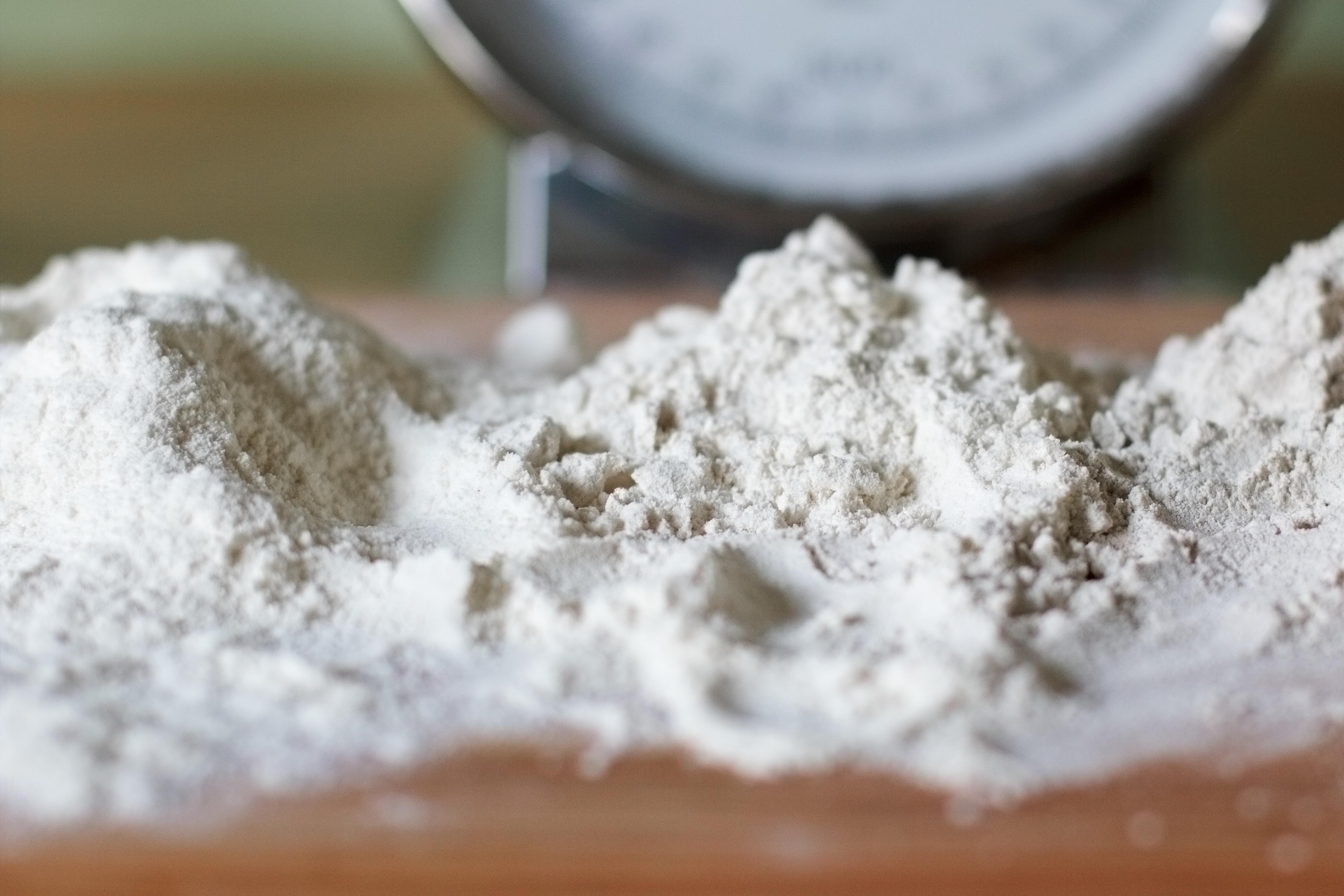
The journey of grain begins far from the milling machine, where kernels are carefully cultivated and harvested. Upon reaching the mill, these humble seeds undergo a myriad of transformations that elevate them into vital culinary staples. The process can be likened to an intricate dance, where each step contributes to the final flavor and texture. As grains are cleaned and conditioned, moisture is added to ensure an optimal milling environment. This meticulous attention to detail is crucial because it influences the flour’s properties, such as protein content and gluten strength. The end goal is to unlock the flavor hidden within each grain, transforming a simple raw material into a rich foundation for countless recipes.
There’s a fascinating interplay of chemical and physical changes during milling. Through grinding, the grain’s outer husk is removed, revealing the starchy endosperm, which is then transformed into flour. Factors influencing this transformation include:
- Kernel Hardness: Harder grains yield finer flour with greater protein levels.
- Milling Technique: Different milling methods, like stone or roller milling, impart unique textures.
- Particle Size: Variations in flour fineness can dramatically affect baking results.
To illustrate the diversity of flours produced via milling, consider the following table that summarizes various types and their typical applications:
| Type of Flour | Typical Use | Characteristics |
|---|---|---|
| All-Purpose Flour | General baking | Versatile, medium protein content |
| Bread Flour | Bread making | High protein, strong gluten development |
| Cake Flour | Pastries and cakes | Low protein, finely milled |

Sustainability in Cereal Milling: Practices for a Greener Future
The journey towards sustainable cereal milling intertwines innovation and tradition, giving rise to practices that honor the earth while ensuring the quality of our staple foods. Energy efficiency plays a crucial role, where mills are increasingly adopting advanced technologies such as variable frequency drives (VFDs) and regenerative braking systems. These tools dramatically reduce energy consumption during the milling process, prompting significant cost savings and minimizing carbon footprints. Concurrently, water conservation techniques are being implemented, utilizing closed-loop systems that recycle water throughout the milling process. This innovative approach not only preserves vital water resources but also enhances the performance of cleaning and tempering operations, directly contributing to overall production efficiency.
Furthermore, the emphasis on reducing waste is transforming the landscape of cereal milling. By harnessing by-products like bran and germ, mills are now creating value-added products that serve as nutritious ingredients in a variety of foods or as animal feed. This holistic view on resource utilization not only fosters a circular economy but also supports the concept of agro-ecological systems. The integration of diverse crop types and local sourcing empowers communities and stimulates the economy while protecting biodiversity. Below is a brief look at the crucial aspects of sustainability in cereal milling:
| Aspect | Description |
|---|---|
| Energy Efficiency | Utilizing technologies to lower energy use and emissions. |
| Water Conservation | Implementing recycling systems to minimize water waste. |
| Waste Reduction | Transforming by-products into viable food or feed options. |
| Local Sourcing | Supporting regional agriculture to promote sustainability. |
Future Outlook
As we conclude our journey through the fascinating world of cereal milling, we hope that the intricate processes, rich history, and innovative technologies uncovered along the way have left you with a deeper appreciation for this essential craft. From the ancient grains that have nourished civilizations to the modern techniques that ensure quality and sustainability, cereal milling is more than just a path from field to table—it’s a testament to human ingenuity and the relentless pursuit of improvement.
As the grains continue their odyssey through mills across the globe, they carry with them the stories of the land, the laborers, and the love that goes into every batch. Whether you find yourself enjoying a bowl of your favorite cereal or savoring freshly baked bread, remember that each morsel is a product of meticulous craftsmanship and time-honored traditions.
So, the next time you pour a bowl, take a moment to reflect on the journey of those humble grains. They have traveled far, undergone transformation, and found their place in your home. As we savor these everyday pleasures, let’s carry forward the wisdom of the grain, embracing the ongoing evolution of cereal milling for generations to come.




