
Unlocking the Secrets of Cereal Milling: A Grain Journey
In the tapestry of human civilization, few threads are as vital yet overlooked as the world of cereal milling. Though it may seem a simple process, the transformation of humble grains into the foundation of countless foods we consume daily is a remarkable journey steeped in history, science, and innovation. From the ancient hand mills of early agrarian societies to today’s high-tech milling facilities, the evolution of cereal milling reflects humanity’s ingenuity and our deep-rooted relationship with the earth. In this article, we embark on a fascinating exploration of the milling industry, peeling back the layers to reveal the secrets that lie within. Join us as we navigate through the stages of cereal processing, uncover the technology driving modern production, and appreciate the intricate craftsmanship that honors traditional methods. Get ready to discover how grains, with their simple origins, undergo a transformative journey that ultimately nourishes us all.
Exploring the Milling Process: From Grain to Flour
The journey from grain to flour is a fascinating process that involves meticulous steps to transform raw materials into the essential ingredient used in countless recipes. At the heart of milling lies the grain, which can encompass a variety of types such as wheat, corn, and rye. Each grain possesses unique characteristics that influence the final flour’s quality. The milling process is primarily divided into three key stages: cleaning, grinding, and sifting. During the cleaning stage, grains are thoroughly sorted to remove impurities and foreign materials, ensuring that only the highest quality seeds proceed to the next phase. The grinding stage follows, where the grains are crushed and ground into flour through various milling techniques, including roller mills, stone mills, and hammer mills.
Once ground, the flour is sifted to separate the fine particles from the coarser ones. This meticulous sifting process allows millers to achieve different grades of flour, each suitable for specific culinary purposes. The final product’s texture and nutritional value also depend on additional factors such as the extraction rate and the presence of bran and germ. Below is a simple breakdown of the key elements involved in transforming grains into flour:
| Process Stage | Description |
|---|---|
| Cleaning | Removing impurities and preparing grains for milling. |
| Grinding | Crushing grains into flour using various milling techniques. |
| Sifting | Separating fine flour from coarser particles for different grades. |
Understanding Grain Varieties: Choosing the Right Ingredients
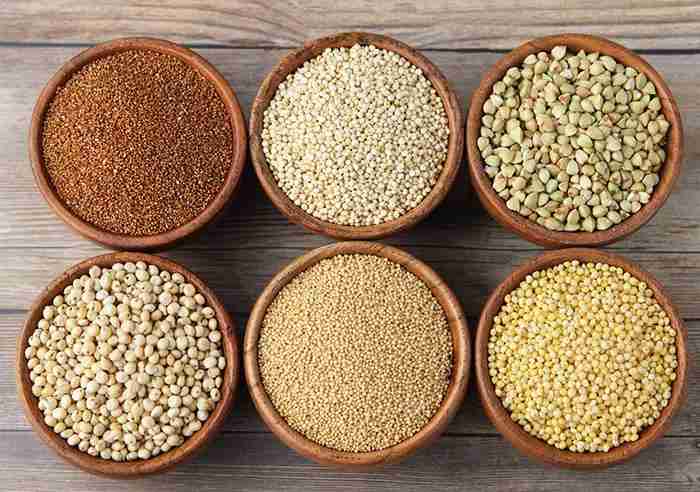
Choosing the right grain for your culinary creations is akin to selecting the perfect canvas for an artist. Each grain variety possesses unique attributes that can dramatically alter the flavor, texture, and nutritional profile of your dish. Understanding these differences is paramount in making informed decisions. Here are some popular grain types to consider:
- Wheat: Versatile and commonly used for bread, pastries, and pastas.
- Rice: A staple in many cultures, available in numerous varieties such as jasmine, basmati, and arborio.
- Quinoa: A protein-packed, gluten-free option that brings a nutty flavor to salads and bowls.
- Barley: Rich in fiber, often used in soups and stews for added texture.
- Oats: Ideal for breakfast meals, offering heart health benefits and a hearty consistency.
To further assist in selecting the ideal grain for your recipe, consider the following key factors:
| Grain Variety | Texture | Best Uses |
|---|---|---|
| Wheat | Fluffy | Breads, pasta |
| Rice | Sticky or fluffy | Stir-fries, sushi |
| Quinoa | Creamy | Salads, bowls |
| Barley | Creamy yet chewy | Soups, stews |
| Oats | Chewy | Breakfast, baking |
By embracing the diversity of grain varieties, you can elevate your culinary skills and uncover new flavors in everyday dishes. Experimenting with them not only enhances the nutritional value but also introduces delightful textures and tastes that can transform a simple meal into a gourmet experience.

Modern Technologies Transforming Cereal Milling
In the heart of cereal milling, a quiet revolution is taking place, reshaping traditional practices and enhancing efficiency like never before. The advent of IoT-enabled machinery has transformed the way mills monitor and control their processes, allowing millers to gather real-time data on grain quality, moisture levels, and operational efficiency. With the integration of machine learning algorithms, mills can now predict maintenance needs, reducing downtime and ensuring a smoother workflow. This seamless blend of technology not only optimizes production but also ensures consistency in quality, which is vital for maintaining consumer trust.
Additionally, automated systems have streamlined the grain handling process, minimizing human error and increasing safety in operations. Mills are increasingly adopting sustainability-focused technologies, such as energy-efficient grinding machines and advanced filtration systems, which reduce wastage and energy consumption. To better illustrate the impact of these technologies, consider the following table:
| Technology | Benefits |
|---|---|
| IoT Monitoring | Real-time data & operational efficiency |
| Machine Learning | Predictive maintenance & reduced downtime |
| Automated Handling | Enhanced safety & reduced human error |
| Sustainable Practices | Lower energy consumption & waste reduction |
Through these innovative advancements, cereal milling is evolving into a highly efficient, precision-driven industry, ensuring that more quality products reach consumers while aligning with modern sustainability goals.
Crafting Quality Flour: Tips and Best Practices for Millers
To produce high-quality flour, millers must pay close attention to several critical factors during the milling process. First and foremost is grain selection; choosing the right type of grain can drastically influence the outcome of the flour. Depending on the desired end product, millers should consider factors such as protein content, moisture levels, and overall grain purity. Maintaining an effective cleaning and conditioning process is equally essential. This involves removing impurities and adjusting the moisture content to ensure optimal milling performance, which can lead to improved flour yield and quality.
Furthermore, the milling technique employed is paramount in achieving the desired flour characteristics. Millers should experiment with different milling processes, including the use of different types of rollers and screens, to achieve varying grain sizes and textures. Regular calibration of milling equipment can also enhance performance consistency. To document the outcomes and adjustments, maintain detailed quality control logs that track grain inputs, milling parameters, and final flour assessments. By prioritizing these practices, millers can ensure their flour not only meets quality standards but also delights bakers and consumers alike.
| Factor | Importance |
|---|---|
| Grain Selection | Influences flour quality and characteristics |
| Cleaning & Conditioning | Enhances milling performance and yield |
| Milling Technique | Achieves desired grain texture and size |
| Quality Control Logs | Tracks parameters for consistency and improvement |
Future Outlook
As we conclude our exploration of cereal milling, we hope you’ve gained a deeper appreciation for the intricate journey that grains undertake from field to flour. Each stage of this process is shrouded in history, innovation, and a touch of art, revealing the dedication and craftsmanship of millers who transform humble kernels into the foundational ingredients for our daily meals. Understanding the secrets behind cereal milling not only enriches our culinary knowledge but also enhances our connection to the food we consume. So, the next time you pour a bowl of cereal or bake bread, take a moment to reflect on the remarkable journey those grains have traveled. In unlocking these secrets, we celebrate the symbiotic relationship between nature, science, and tradition, ensuring that every bite is steeped in rich heritage and purpose. Thank you for joining us on this grain journey, and may your future culinary adventures be as nourishing as the grains themselves.




