
Unlocking the Richness of Maize: The Art of Milling
In the heart of many cultures, maize stands as a vibrant symbol of sustenance and versatility. This golden grain, cherished for its myriad uses, takes center stage in kitchens across the globe, from the fields of Mesoamerica to the bustling markets of Southern Africa. Yet, while the grain itself is often celebrated for its flavor and nutritional value, the art of milling—a crucial step in transforming whole kernels into a plethora of culinary delights—remains an unsung hero in this narrative.
Milling is not merely a mechanical process; it is a craft that unlocks the full potential of maize, revealing textures and tastes that can elevate any dish. As we delve into the world of maize milling, we will explore its historical significance, the diverse techniques employed around the world, and the impacts of modern technology on this ancient art. Through a journey that spans generations and geographies, we aim to illuminate the profound richness of maize, inviting you to appreciate not only what it is but also what it can become. Join us as we uncover the transformative power of milling and the stories woven into every kernel.
Exploring the Journey from Kernel to Flour
The transformation of maize from a humble kernel into a fine flour is an intricate process, steeped in tradition and innovation. Each step involves a delicate balance of art and science, where the unique characteristics of maize are preserved and enhanced. First, the kernels are harvested, typically in the late summer or early fall when their moisture content reaches the ideal level. The initial stage involves cleaning the grains to remove any impurities, such as dirt and stones, ensuring the purity of the flour that will follow. Following this, the kernels undergo drying, a crucial phase that enhances the storage capability and prepares them for milling.
Milling is where the magic truly happens, as it converts the whole kernels into flour through a series of precise processes. The kernels are first cracked open in a dehulling step to remove their hard outer shells. Once the pericarp is discarded, the remaining endosperm can be ground into flour. Various milling techniques can be employed, ranging from traditional stone milling to modern roller milling, each imparting a different texture and flavor profile. The quality of the resulting flour is influenced by factors such as moisture content, kernel hardness, and milling speed. Below is a comparison of these milling methods:
| Method | Description | Texture | Best For |
|---|---|---|---|
| Stone Milling | Traditional method using stones to grind kernels | Coarse, with more bran and germ | Artisan bread and rustic recipes |
| Roller Milling | Modern technique with steel rollers for fine milling | Fine, uniform flour | Baking pastries and breads |
| Wet Milling | Involves soaking kernels before milling | Fine and creamy texture | Producing tortillas and high-quality starches |

Understanding the Nutritional Benefits of Freshly Milled Maize
Freshly milled maize is not just a staple food; it is a powerhouse of essential nutrients. Being rich in carbohydrates, it provides a quick and sustained energy source, vital for both physical and cognitive activities. Unlike processed maize, which often loses much of its nutrient density, freshly milled variants retain vital micro-nutrients that contribute to overall health. Some of these benefits include:
- Fiber: Helps maintain healthy digestion and can aid in weight management.
- Vitamins: Rich in B vitamins, including thiamine and niacin, which support metabolism and energy production.
- Minerals: Contains essential minerals like magnesium, phosphorus, and zinc, crucial for bone health and immune function.
Moreover, freshly milled maize is a great source of antioxidants, which combat oxidative stress in the body. This can help in reducing the risk of chronic diseases. The unique composition of the germ, endosperm, and bran in maize provides a balanced offering of beneficial ingredients. The nutritional profile can vary based on the type of maize, but typically includes:
| Nutrient | Amount per 100g |
|---|---|
| Calories | 365 kcal |
| Protein | 9 g |
| Fat | 4.7 g |
| Carbohydrates | 74 g |
| Fiber | 7 g |
By integrating freshly milled maize into your diet, you not only embrace a cultural staple found in many cuisines but also tap into its diverse health benefits, making it an excellent addition to your daily meals.

Mastering Milling Techniques for Optimal Texture and Flavor
To harness the full essence of maize, one must delve into the subtleties of milling techniques that elevate both texture and flavor. The process begins with the selection of the right milling equipment. Traditional stone mills offer a distinct advantage, allowing for a slow grinding process that retains the grain’s natural oils and nutrients. In contrast, modern steel mills provide precision and efficiency but can sometimes lead to a loss of flavor nuances. Experimenting with various grind settings can yield results tailored to your culinary needs, whether you’re aiming for a coarse polenta or a fine masa for tortillas. Here are a few milling methods to consider:
- Stone Milling: Preserves flavor, texture, and nutrients.
- Hammer Milling: Produces uniform particle size, ideal for baking.
- Roller Milling: Efficient for large quantities but may sacrifice flavor.
Moreover, understanding the influence of moisture content in maize is crucial for achieving the desired results. Maintaining an optimal moisture level not only enhances the milling process but also improves the final texture of your product. Maize that is too dry may result in a gritty texture, while overly moist grain could lead to clumping. Below is a simple moisture guidelines table to better understand how it affects the milling outcomes:
| Moisture Level | Texture Outcome | Flavor Impact |
|---|---|---|
| Below 12% | Gritty | Muted |
| 12% – 14% | Ideal | Rich |
| Above 14% | Soft/Clumpy | Less Intense |
By combining the right milling techniques with careful attention to moisture content, you unlock a world of potential flavors and textures that can be achieved with maize. Such meticulousness not only contributes to the culinary experience but also honors the rich heritage and versatility of this beloved grain.
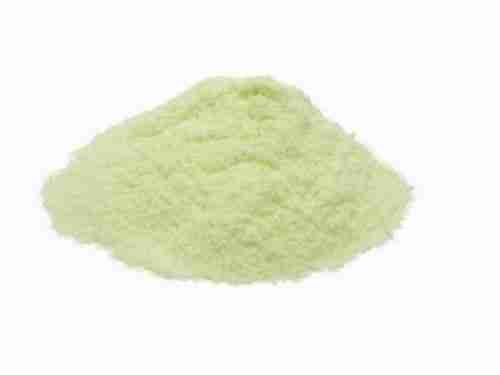
Innovative Uses of Maize Flour in Modern Cuisine
Maize flour is transforming modern culinary landscapes with its versatility and rich flavor profile. Chefs and home cooks alike are exploring its potential beyond traditional dishes, incorporating it into a variety of recipes. Savory pancakes made from maize flour, seasoned with herbs and topped with a dollop of crème fraîche, offer a delightful twist on breakfast staples. In baking, the incorporation of maize flour adds a unique texture and sweetness to artisanal breads, enhancing their crust while creating a chewy interior. Additionally, innovative desserts like maize flour brownies and cornmeal cookies serve as a testament to the flour’s adaptability in sweet applications, allowing for flavorful combinations not typically found in classic recipes.
Beyond individual recipes, maize flour is becoming a staple in health-conscious cuisine. Its high fiber content and gluten-free nature make it an attractive alternative for those pursuing healthier lifestyles or with dietary restrictions. Now, you can find it as a key ingredient in trendy dishes such as vegan energy balls, offering an excellent source of sustenance on-the-go, or gluten-free pizza crusts that are both crispy and satisfying. The rise of maize-based pasta presents another innovative avenue, allowing for gluten-free options with a hearty flavor that pairs beautifully with a variety of sauces. As this ancient grain continues to find its place in modern kitchens, the possibilities for its use are only bound to expand.
To Conclude
the journey of maize from cob to flour is a testament to the intricate dance of tradition and technology. By unlocking the richness of this versatile grain, we not only enhance our culinary experiences but also honor the cultures that have cherished maize for centuries. The art of milling, with its delicate balance of precision and craftsmanship, reveals the hidden potential of this remarkable ingredient. As we continue to explore innovative milling techniques and embrace the nutritional benefits inherent in maize, we pave the way for a future where the humble grain reclaims its rightful place at the heart of our kitchens. Let us celebrate the transformative power of milling—an invitation to savor the diversity and richness that maize has to offer, one precious grain at a time.




