
Unlocking the Potential: The Art and Science of Maize Milling
In the heart of agriculture, where the golden grains of maize sway gently in the breeze, lies a transformative process that bridges nature with industry—maize milling. This intricate dance of craftsmanship and technology not only shapes the economy of countless communities but also nurtures a global appetite for one of humanity’s staple foods. From ancient times when maize was ground between stones, to today’s high-tech milling systems, the evolution of this craft marries tradition with innovation. In this exploration, we delve into the multifaceted world of maize milling, uncovering the art that involves skillful manipulation of grain and the science that ensures efficiency and quality. Join us as we unlock the potential of maize, revealing how the seemingly simple act of milling holds profound implications for food security, culinary diversity, and economic development around the globe.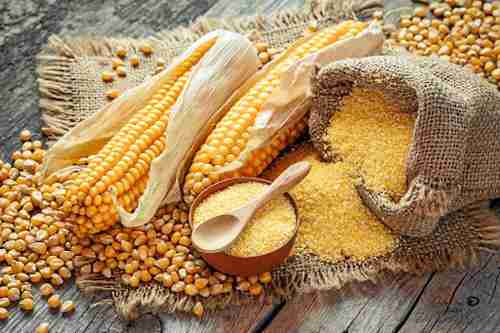
Exploring the Historical Evolution of Maize Milling Techniques
The journey of maize milling begins in ancient civilizations, where early techniques were crafted from necessity and resourcefulness. Initially, maize was processed using simple tools such as grinding stones and mortars and pestles. These rudimentary methods allowed for the creation of coarse maize flour, essential for cooking staple dishes. As trade and communication flourished, so did the methods of milling. The introduction of water-driven mills in the Middle Ages marked a significant technological advancement, enabling communities to produce flour with greater efficiency and precision. This period also witnessed the rise of grain mills, which began to replace manual processes, setting the stage for more sophisticated techniques.
With the advent of the Industrial Revolution, maize milling underwent a dramatic transformation. The introduction of steam-powered mills allowed for mass production and significantly reduced milling time. Around the same time, innovations such as roller mills emerged, providing finer and more uniform flour compared to their predecessors. Today, modern milling integrates advanced machinery and technology, utilizing air-pressure systems and automated processes to ensure consistent quality. The evolution of these techniques reflects not only advancements in engineering but also a deeper understanding of the chemistry of maize, which continues to unlock its potential for culinary and industrial applications.
Understanding the Machinery: Innovations in Milling Technology
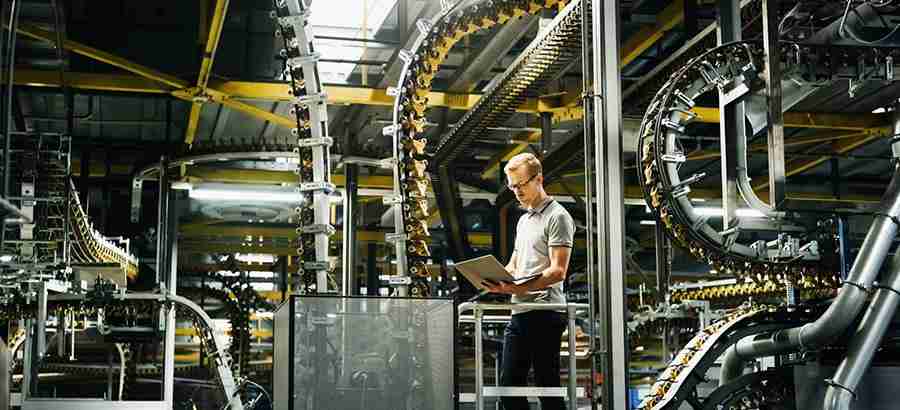
The world of milling technology has undergone a remarkable transformation over the years, pushing the boundaries of what’s possible in maize processing. Advanced machinery today features innovations that not only enhance efficiency but also improve the quality of the end product. Key advancements include:
- Automated Control Systems: These systems allow for real-time monitoring and adjustment of milling parameters, ensuring consistent product quality.
- Multi-Stage Milling Units: These enable the separation of germ, hull, and endosperm with precision, optimizing yield and quality.
- High-Efficiency Separators: Innovations in separator technology have improved the effectiveness of grain classification, resulting in less waste.
Moreover, sustainable practices have become integral to modern milling technology, supporting both the economy and the environment. Energy-efficient motors and machinery designs reduce power consumption while maintaining high productivity levels. Additionally, the integration of data analytics into milling operations enables operators to glean insights from their processes, leading to continuous improvement. The following table illustrates some of the essential benefits that contemporary milling technology brings to the maize industry:
| Benefit | Description |
|---|---|
| Reduced Waste | Enhanced separation techniques lower loss during processing. |
| Increased Yield | Advanced milling strategies maximize the usable product from each grain. |
| Improved Quality | Higher precision in milling processes results in superior flour quality. |
Nutritional Benefits and Culinary Applications of Milled Maize
When it comes to nutrition, milled maize is a treasure trove of health benefits. It is rich in essential nutrients such as vitamin B complex, iron, and magnesium. These nutrients play a vital role in energy metabolism, red blood cell production, and maintaining bone health. Additionally, milled maize is a good source of dietary fiber, which supports digestive health and helps maintain stable blood sugar levels. The incorporation of milled maize into meals not only boosts nutritional intake but also enhances the overall culinary experience with its versatile flavor profile.
Culinary applications of milled maize are as diverse as the cultures that embrace it. This staple ingredient can be transformed into a myriad of delicious dishes, including:
- Polenta: A creamy or firm dish that adapts to both savory and sweet toppings.
- Tortillas: The base for countless Mexican delicacies, providing an authentic taste.
- Cornbread: A delightful accompaniment to soups and stews, often enjoyed warm with butter.
- Porridge: A nutritious breakfast option that can be sweetened or spiced to taste.
To further illustrate the versatility of milled maize in various cuisines, the table below highlights traditional dishes from around the globe:
| Country | Dish | Main Ingredients |
|---|---|---|
| Italy | Polenta | Milled Maize, Water, Cheese |
| Mexico | Tacos | Milled Maize, Filling, Salsa |
| USA | Cornbread | Milled Maize, Sugar, Baking Powder |
| Africa | Ugali | Milled Maize, Salt, Water |

Sustainable Practices in Maize Milling: Enhancing Efficiency and Reducing Waste
In the quest for sustainable maize milling, efficiency and waste reduction are paramount. One of the key practices involves the implementation of energy-efficient machinery. By utilizing modern milling equipment designed for lower energy consumption, millers can significantly reduce their carbon footprint while achieving optimal output. Additionally, incorporating renewable energy sources, such as solar and biomass, can further enhance sustainability. This shift not only helps in lowering operating costs but also positions milling operations as environmentally responsible, paving the way for a broader acceptance in eco-conscious markets.
The minimization of waste is also a crucial aspect of sustainable milling practices. Implementing a by-product management system allows millers to find innovative uses for the leftovers from the milling process. For instance, the production of maize bran can be directed towards animal feed or health supplements, while discarded cobs and husks can be repurposed for bioenergy production. Moreover, educating staff about proper practices and incorporating waste tracking systems can further streamline operations. Such developments not only enhance productivity but also contribute to a circular economy, where every part of the maize is utilized and valued.
| Practice | Benefit |
|---|---|
| Energy-efficient machinery | Reduced energy costs and emissions |
| Renewable energy sources | Increased sustainability and lower carbon footprint |
| By-product management | New revenue streams and reduced waste |
| Staff education | Improved efficiency and waste reduction |
In Conclusion
As we draw our exploration of maize milling to a close, it becomes evident that this intricate process intertwines both art and science, revealing the depth of innovation and tradition that fuels our food systems. From the precise engineering of milling equipment to the age-old techniques passed down through generations, unlocking the potential of maize is not merely about breaking grains; it’s about transforming possibilities.
Every handful of flour carries with it a story—a testament to the farmers’ toil, the millers’ craftsmanship, and the chefs’ culinary dreams. As we continue to delve deeper into the complexities of maize milling, we uncover not only the grains’ physical properties but also their cultural significance, their role in sustainability, and their impact on global markets.
In this dance of industry and heritage, we find opportunities for growth, innovation, and enhancement. Whether for a humble household or a bustling food enterprise, the principles of maize milling continue to resonate, promising nourishment and inspiration for generations to come. So let us celebrate this convergence of art and science, and embrace the journey of maize that enriches our plates and our lives. The potential is truly limitless, awaiting our discovery and creativity.




