
Unlocking the Potential: The Art and Science of Corn Processing
In the rolling fields where corn sways gently under the sun, a fascinating journey begins—one that transforms humble kernels into a myriad of products that touch our daily lives. From the golden ears that speckle the landscape to the vibrant byproducts that grace our tables, corn processing embodies both art and science, blending tradition with innovation. This article delves into the intricate processes that unlock the full potential of corn, exploring how this versatile crop is meticulously harvested, processed, and reimagined. Join us as we navigate through the rich tapestry of techniques and technologies that highlight corn’s significance, revealing its role not only in our sustenance but also in the broader tapestry of industry and culture. Discover how, beneath the surface of this seemingly simple grain, lies a world of possibilities waiting to be explored.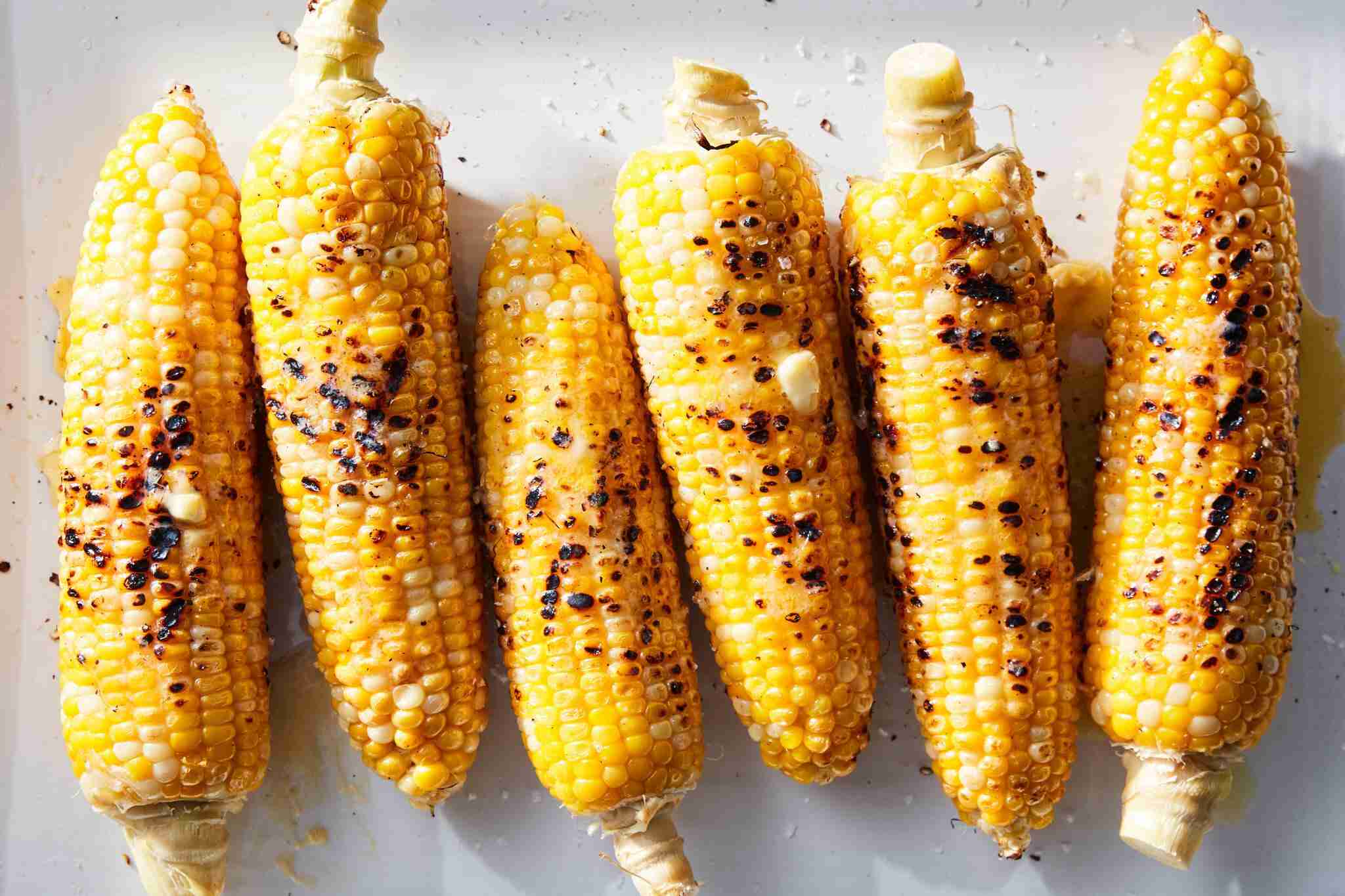
Exploring the Anatomy of Corn: Understanding Its Varied Components
Corn is a multifaceted grain, composed of various parts, each contributing to its utility and nutritional profile. The primary components include:
- Kernel: The edible seed packed with essential nutrients, including carbohydrates, protein, and dietary fiber.
- Pericarp: The outer layer that protects the kernel, rich in fiber and playing a crucial role in the grain’s overall texture.
- Endosperm: The bulk of the kernel, serving as the starch reserve. This part is vital for many forms of corn processing, especially in creating flours and syrups.
- Germ: The reproductive part that has vital oils and nutrients, often used in the production of corn oil.
Understanding the structure of corn allows processors to harness its full potential. Each component offers unique characteristics, influencing everything from flavor to cooking properties. For instance, the starch content in the endosperm makes it ideal for creating products like cornmeal and polenta, while the oils extracted from the germ are utilized in cooking and food manufacturing. The diverse applications extend into both culinary and industrial arenas, demonstrating corn’s significance. In essence, the intricate anatomy of corn acts as a testament to its versatility, paving the way for innovation in food processing and beyond.
Techniques and Innovations in Corn Processing: Bridging Tradition and Modernity
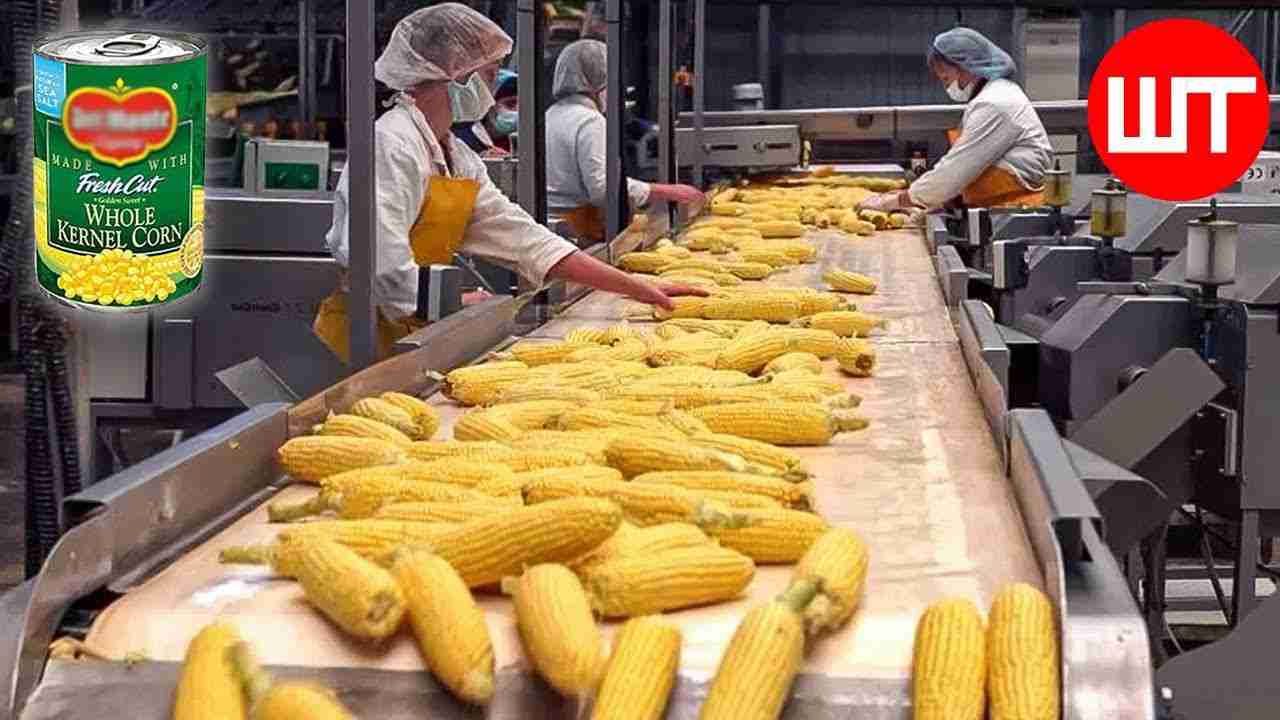
The evolution of corn processing showcases a fascinating interplay between age-old techniques and cutting-edge innovations. Traditional methods such as nixtamalization, which enhances the nutritional value and flavor of corn by soaking it in an alkaline solution, still hold central importance in many cultures. This time-honored procedure not only deepens the corn’s flavor but also improves its digestibility. However, modern technologies such as hydrothermal treatment and enzymatic processing have emerged, optimizing yields and enhancing product quality. These advancements allow producers to maximize efficiency while maintaining the integrity of the corn, bridging the gap between heritage and modern demands.
As we explore the landscape of corn processing, we encounter a breadth of techniques and innovations designed to unlock its full potential. Key approaches include:
- Extrusion Cooking: A process that transforms corn into versatile snack products by forcing it through a die under heat and pressure.
- Fermentation: This age-old technique not only preserves corn but also enhances its nutritional profile through probiotics and bioactive compounds.
- Precision Agriculture: Utilizes data analytics and IoT for targeted cultivation practices, improving yield and reducing waste.
- Bioprocessing: Employs microorganisms to convert corn into biofuels and bioplastics, showcasing its potential as a sustainable resource.
With innovations continually shaping the industry, the future of corn processing looks promising. Below is a summary of traditional versus modern methods:
| Traditional Techniques | Modern Innovations |
|---|---|
| Nixtamalization | Enzymatic Processing |
| Grinding using stone mills | High-speed milling technology |
| Hand-rolled tortillas | Automated tortilla production |
| Manual seed selection | Genomic breeding techniques |
This dynamic blend of tradition and technology not only pays homage to its rich history but also paves the way for future innovations in corn processing, thereby enhancing both cultural significance and economic viability.
Nutritional Value and Culinary Applications: Maximizing Corns Benefits
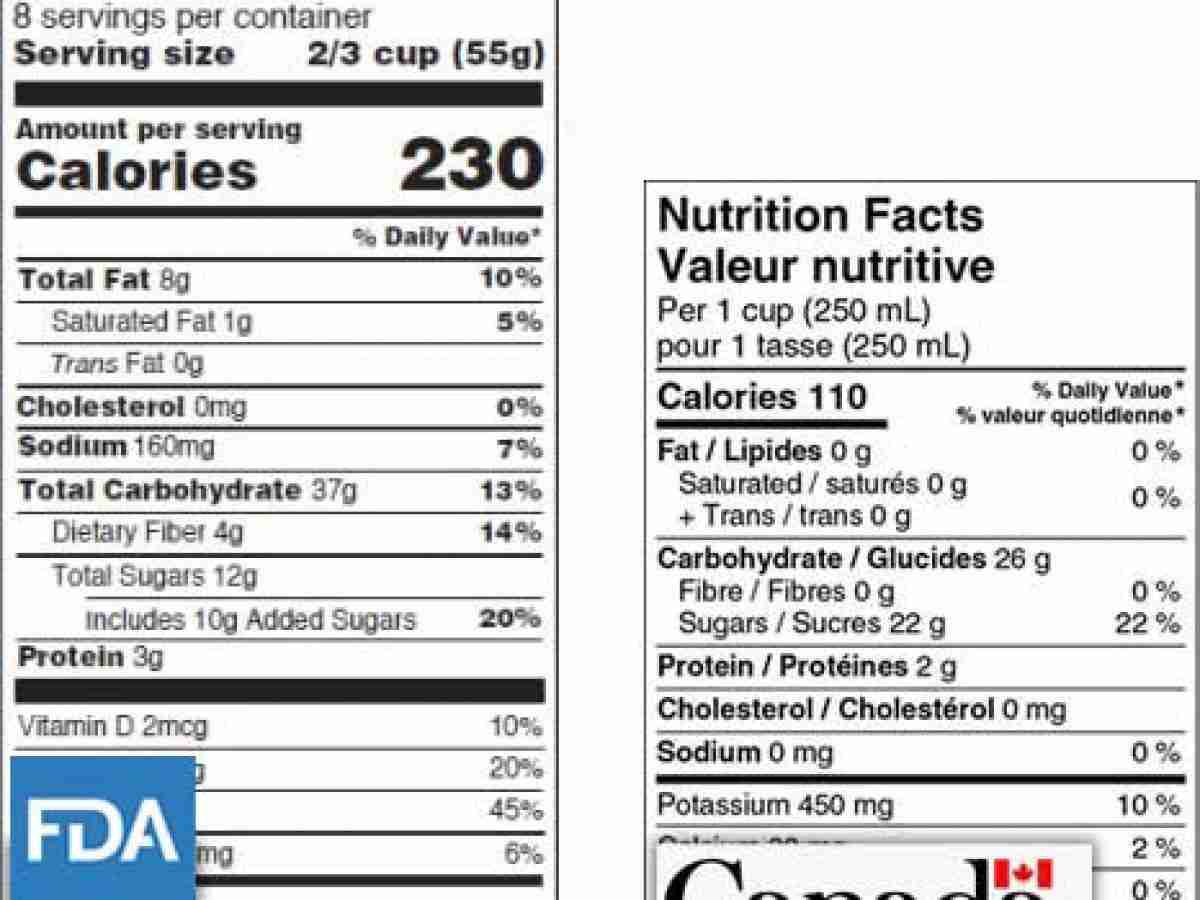
Corn is not just a staple in diets around the world; it boasts an impressive nutritional profile that offers numerous health benefits. High in fiber and antioxidants, corn can play a significant role in digestive health and reducing the risk of chronic diseases. Additionally, the vibrant yellow kernels are rich in essential vitamins and minerals, including:
- Vitamin B6: Vital for brain health and function.
- Magnesium: Important for muscle and nerve function.
- Phosphorus: Key for bone health.
Beyond its nutritional value, corn is also a versatile ingredient in the kitchen. Its naturally sweet and hearty flavor enhances a variety of dishes, from savory stews to sweet desserts. Culinary applications of corn include:
- Fresh Corn on the Cob: Perfect for grilling and summer barbecues.
- Cornmeal: Ideal for making cornbread, polenta, and crusts.
- Corn Flour: Used for gluten-free baking and thickening sauces.
| Nutrient | Benefit |
|---|---|
| Fiber | Supports digestive health and aids weight management. |
| Antioxidants | Helps combat oxidative stress and inflammation. |
| Vitamin B6 | Boosts brain function and mood regulation. |

Sustainable Practices in Corn Processing: Paving the Way for a Greener Future
In recent years, the corn processing industry has embraced a range of sustainable practices aimed at reducing its environmental footprint and enhancing resource efficiency. By focusing on water conservation, energy efficiency, and waste reduction, processors are not only improving their bottom line but also contributing to a more sustainable ecosystem. Some effective strategies include:
- Closed-loop water systems: Utilizing advanced filtration and recycling technologies to minimize water waste.
- Biomass energy: Harnessing by-products from corn processing as renewable energy sources, thus reducing reliance on fossil fuels.
- Responsible sourcing: Partnering with local farmers who use sustainable agricultural practices to ensure high-quality, eco-friendly corn supply.
Furthermore, innovative technologies are being implemented to optimize production processes and reduce emissions. For instance, adopting biodegradable packaging for corn products not only decreases plastic waste but also aligns with consumer demand for eco-conscious products. A comparative analysis of traditional versus sustainable practices highlights significant benefits:
| Aspect | Traditional Practices | Sustainable Practices |
|---|---|---|
| Water Usage | High consumption | Optimized recycling |
| Energy Source | Fossil fuels | Renewable energy |
| Waste Management | Landfill disposal | Composting and reuse |
Future Outlook
In the intricate dance between tradition and innovation, corn processing emerges as a remarkable testament to human ingenuity and nature’s bounty. As we have explored the multifaceted world of corn—from its humble beginnings as a staple crop to its transformation into a myriad of products that touch our daily lives—it becomes clear that the potential held within each kernel is boundless.
The art of corn processing is a rich tapestry woven from the knowledge of generations, enhanced by modern science and technology. It encompasses not just the practical methods of refining this versatile grain but also the cultural heritage and economic opportunities it presents. With every step in the processing journey, we see a story of sustainability, creativity, and resilience unfold, challenging us to rethink our relationship with this common plant.
As we continue to unlock the potential of corn, we invite you to ponder its role in your own life—be it as an ingredient in your favorite dish, a component of innovative bioproducts, or as a vital element in the pursuit of a sustainable future. The journey of corn processing is far from over; it remains ripe with possibilities waiting to be discovered. Let us savor the rich flavors and diverse applications it offers, while also reflecting on the impact of our choices on the world around us. Corn may have started as a simple crop, but its evolution in processing might just be the key to a more sustainable and vibrant tomorrow.




