
Unlocking the Kernel: A Journey Through Corn Processing
Corn, often dubbed the golden grain, has shaped civilizations, fueled economies, and nourished countless lives across the globe. Its versatility stretches far beyond the cob, weaving through cultures and cuisines, from the vibrant fields of the Midwest to the bustling streets of Latin America. But what happens when the husks are stripped away and the cobs set aside? This article embarks on a journey through the intricacies of corn processing—an exploration that unveils the meticulous steps and innovative technologies involved in transforming this humble crop into countless products we encounter daily. Join us as we delve into the world of cornstarch, ethanol, and sweeteners, uncovering the science and artistry behind one of humanity’s most essential grains.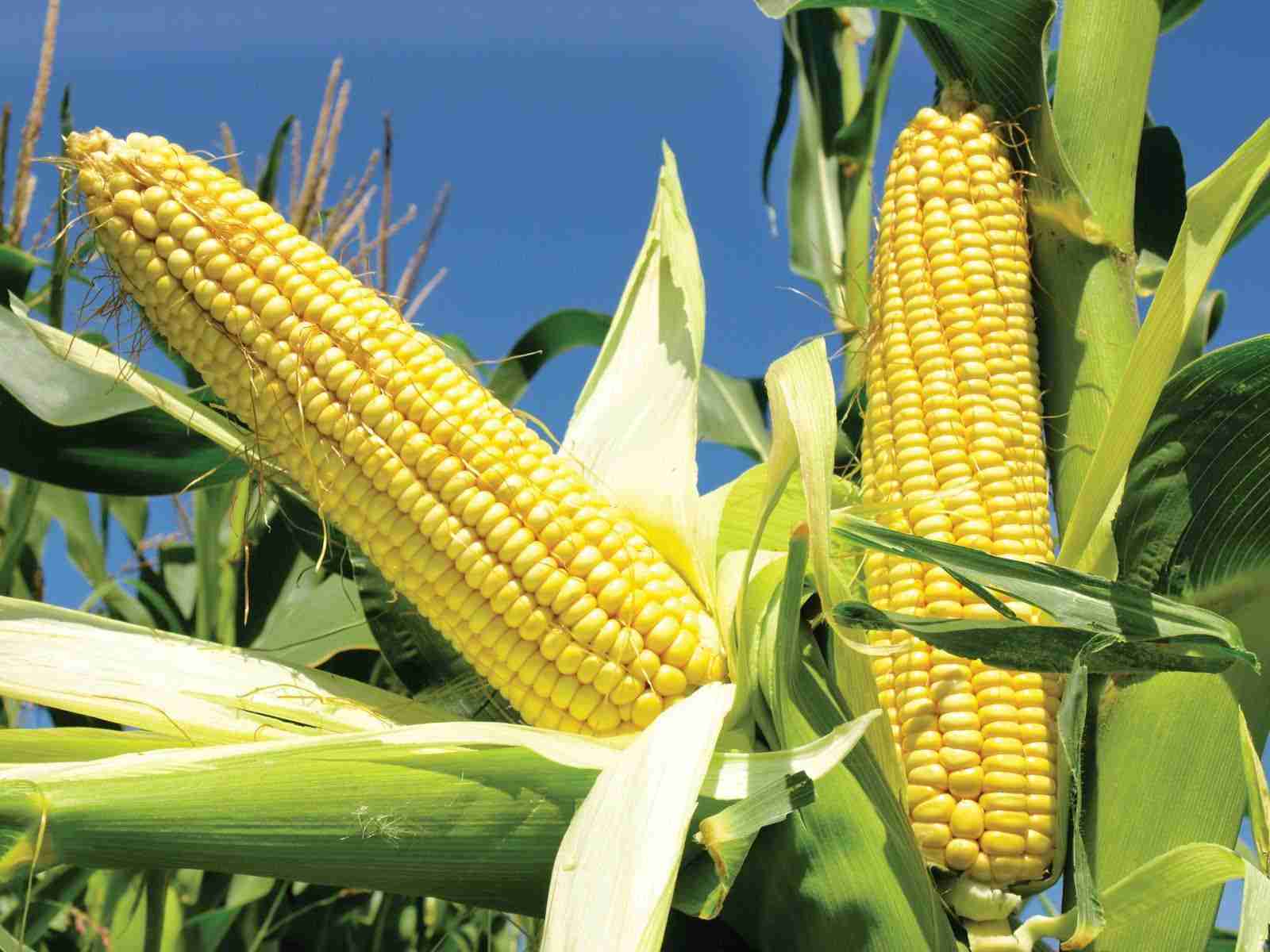
Exploring the Anatomy of Corn and Its Culinary Potential
Corn, a staple of various cuisines around the globe, holds a treasure trove of culinary possibilities just beneath its vibrant golden exterior. The anatomy of this remarkable plant extends beyond the kernel itself, encompassing a rich array of parts that can be utilized in the kitchen. Husk, silk, and cob are often overlooked, yet each contributes uniquely to flavor profiles and texture. For instance, the husk can be used to wrap and steam tamales, imparting a subtle earthiness, while the silk, rich in minerals, can be brewed into herbal teas. Meanwhile, the cob, after the kernels have been harvested, can provide a delightful addition to broths, enhancing their sweetness and depth. When paired with versatile cooking methods such as grilling, boiling, or roasting, corn can transform familiar recipes into gourmet experiences.
Culinary applications of corn extend well into international territories, with each culture celebrating its distinct characteristics. In Mexico, the preparation of masa, the dough for tortillas, highlights the kernel’s potential, while in the Southern United States, grits and cornbread embody homestyle comfort. Here are a few more captivating uses of corn:
- Polenta: A creamy dish that pairs beautifully with a variety of sauces and ingredients.
- Cornmeal: Ground kernels create a versatile base for baked goods, such as muffins and pancakes.
- Popcorn: A delightful snack, transformed through heat, unlocking its airy, crunchy form.
Additionally, corn offers opportunities for innovation in the realm of plant-based diets. Vegan substitutes using corn, such as corn fritters or corn-based burgers, present heartiness without compromising flavor, making it an increasingly popular choice in modern gastronomy. The potential for infusing traditional recipes with contemporary twists ensures that this humble grain continues to captivate chefs and home cooks alike.
| Culinary Use | Description |
|---|---|
| Tamales | Steamed corn dough wrapped in husks, filled with savory or sweet ingredients. |
| Popcorn | A popped snack that can be flavored in numerous ways, from savory to sweet. |
| Grits | Ground corn cooked to a creamy consistency, often enjoyed for breakfast. |
Essential Techniques for Efficient Kernel Extraction
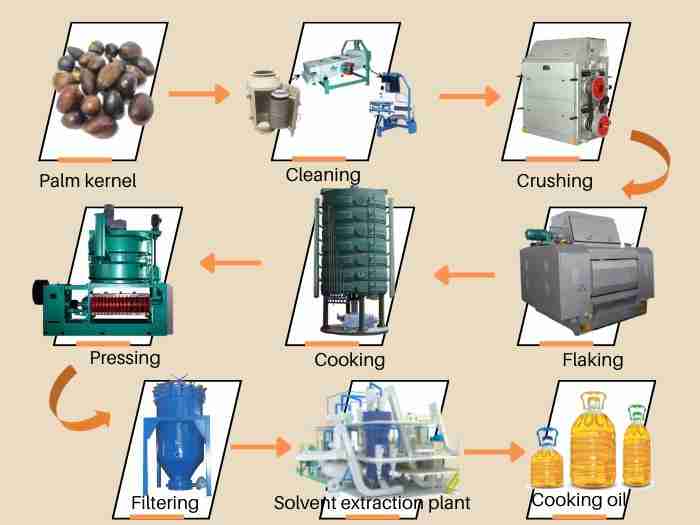
To achieve efficient kernel extraction, understanding the anatomy of corn is paramount. The process starts with selecting mature, high-quality corn ears. Once harvested, the ears must be dried adequately to ensure that moisture content is optimal for extraction. This step is critical as it influences the yield and quality of the kernels. When preparing for extraction, consider these essential techniques:
- Mechanical Shelling: Utilizing mechanical shellers facilitates faster detachment of kernels from cobs, minimizing loss and increasing throughput.
- Steaming Techniques: Briefly steaming corn before shelling can help loosen the kernels, making the extraction process more efficient.
- Temperature Control: Maintaining appropriate temperatures during both drying and extraction stages can enhance kernel quality and prevent spoilage.
Once the kernels are extracted, proper sorting and cleaning are crucial for maintaining product integrity. Implementing a systematic approach to sorting ensures that only the highest quality kernels make it to the processing stage. This can be achieved through the use of vibration tables and air classifiers to separate kernels from debris effectively. Below is a simple overview of efficient sorting methods:
| Method | Benefits |
|---|---|
| Vibration Tables | Quickly separates kernels based on weight and size. |
| Air Classifiers | Utilizes airflow to remove lightweight debris, safeguarding kernel quality. |

Innovative Processing Methods: From Field to Fork
The journey of corn from the vast fields to our plates is a fascinating one, marked by innovative processing techniques that enhance its flavor, texture, and nutritional value. It all begins with diligent harvesting, where modern machinery ensures that only the ripest kernels are selected. After harvesting, the corn undergoes a series of transformative steps, including natural drying processes and precision milling, to unlock its potential. The application of steam and pressure cooking during processing dramatically alters the kernels’ structure, breaking down tough cell walls and enabling easier digestion. As a result, consumers can enjoy corn in various forms, from juicy corn on the cob to fine cornmeal, each produced through specialized techniques designed to preserve taste and quality.
In exploring the advancements in corn processing, we find a range of techniques employed to cater to diverse culinary applications. Notably, dry milling separates the hulls and germ from the starchy endosperm, allowing for the creation of products such as grits and corn flour. Meanwhile, wet milling maximizes the extraction of valuable corn components, yielding not only starch and oil but also important by-products like corn syrup and ethanol. Here’s a quick comparison of the two methods in table format:
| Processing Technique | Primary Use | Benefits |
|---|---|---|
| Dry Milling | Flour, Grits, Cornmeal | Simple and cost-effective, retains flavor |
| Wet Milling | Starch, Oil, Ethanol | High yield, versatile by-products |
In addition to these methods, the use of fermentation has emerged as a revolutionary approach, particularly in the production of beverages like corn-based whiskies and artisan beers. Harnessing natural enzymes, processors can convert corn sugars into alcohol, showcasing the versatility of this humble grain. As consumers increasingly lean towards organic and non-GMO options, processors are adapting to uphold the integrity of the corn, utilizing sustainable practices that ensure a minimal environmental footprint. This ongoing innovation highlights the importance of research and development in crafting delicious products that not only satisfy our taste buds but also honor the journey of corn from field to fork.

Sustainability in Corn Processing: Balancing Yield and Responsibility
The quest for sustainability in corn processing is akin to walking a tightrope, requiring a careful balance between maximizing agricultural yield and minimizing environmental impact. As processors strive for higher outputs, they also grapple with water usage, soil health, and energy consumption. Sustainable corn processing integrates innovative techniques that not only enhance productivity but also foster a responsible approach to environmental stewardship. Key practices include:
- Precision agriculture – Utilizing technology to optimize inputs while reducing waste.
- Crop rotation – Diversifying crops to improve soil nutrient levels and reduce pest populations.
- Waste minimization – Implementing closed-loop systems that recycle by-products into new ways of production.
To further illustrate this balance, consider the comparative overview of conventional versus sustainable corn processing methods highlighted in the table below. Each approach contributes uniquely to both yield and ecological impact, creating a dynamic interplay that shapes the future of corn production:
| Processing Method | Yield Efficiency | Environmental Impact |
|---|---|---|
| Conventional | High | Moderate to High |
| Sustainable | Moderate | Low |
Through these evolving practices, the industry is not only unlocking the potential of the kernel but also ensuring a healthier planet for future generations. By embracing sustainable methods, corn processors are paving the way for a more resilient agricultural ecosystem, where both productivity and responsibility coexist harmoniously.
Concluding Remarks
As we reach the end of our exploration into the intricate world of corn processing, it’s clear that this humble grain holds secrets far beyond its golden husk. From the swaying fields that stretch across the heartland to the bustling factories where kernels undergo transformation, each step in this journey reveals the artistry and science intertwined in every process. The methods we’ve uncovered—whether the traditional practices of nixtamalization or the cutting-edge innovations in milling and extraction—serve not only to enhance the flavor and utility of corn but also to highlight its vital role in our global food system.
As we unlock the kernels to unveil their potential, we uncover stories of sustainability, community, and ingenuity. Each bite of corn-based products carries with it the legacy of generations of farmers, processors, and innovators who have contributed to the rich tapestry of this versatile grain. With ongoing advancements and a heightened awareness of food sources, corn processing is poised for an exciting future that promises to nurture both our bodies and our planet.
So, whether you savor a bowl of popcorn while watching a movie or enjoy the subtle sweetness of cornbread at the dinner table, remember that each kernel is a testament to human ingenuity and nature’s bounty. As we continue to unravel the layers of corn processing, may we appreciate the journey from field to fork and acknowledge the intricate connections that unite us all in this world of culinary possibility.




