
Unlocking the Art of Maize Milling: Techniques and Trends
In the heart of many cultures, maize has long been more than just a staple food; it is a cornerstone of heritage, nourishment, and economic vitality. As societies evolve, so too does the art of maize milling—a transformative process that not only shapes the grain into versatile flour but also reflects the intricate interplay between tradition and innovation. This article embarks on a journey through the fascinating world of maize milling, unraveling the techniques that artisans have perfected over centuries, while also illuminating the modern trends that are redefining this age-old craft. From the rhythmic cadence of traditional handmills to the sleek efficiency of contemporary machinery, we will explore how the methods and modalities of maize milling are adapting to meet the demands of a rapidly changing culinary landscape. Join us as we unlock the secrets behind the milling process, delving into its cultural significance, technological advancements, and the sustainable practices that promise to secure the future of this essential industry.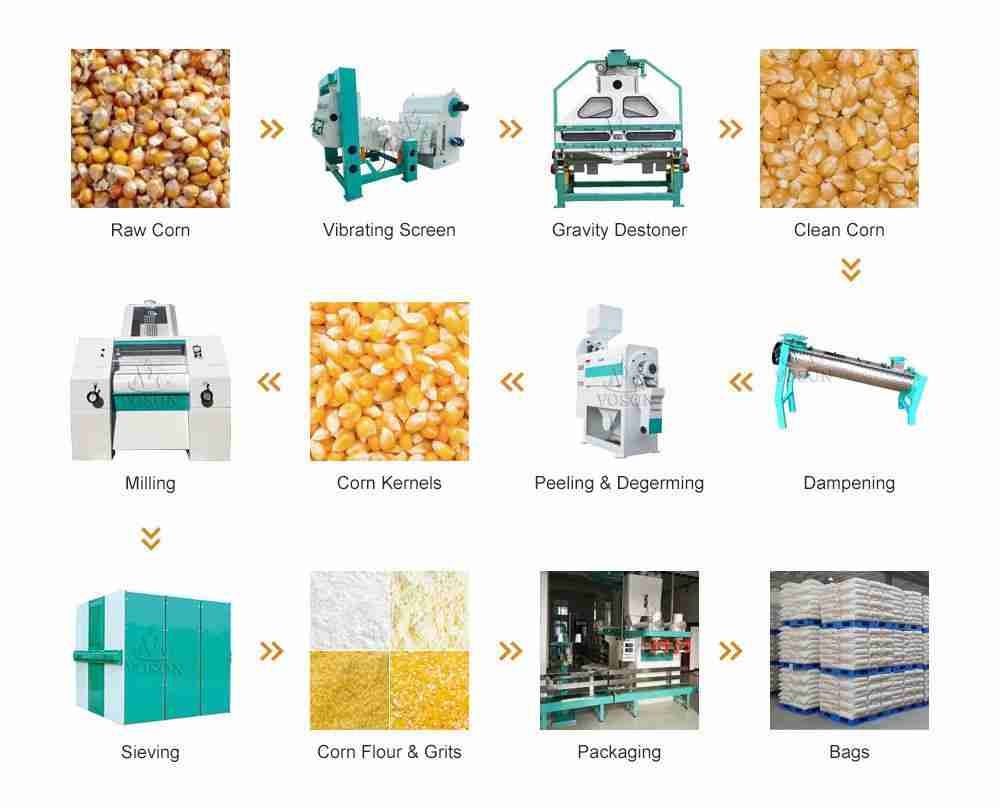
Exploring Traditional Techniques of Maize Milling
In the rich tapestry of agricultural practices, milling maize stands out as both an art and a science. Traditional milling techniques reflect a deep-rooted cultural heritage, passed down through generations. One of the most cherished methods involves the use of a stone mill, which is celebrated for its ability to preserve the natural flavor and nutritional value of maize. The gentle grinding process not only retains the kernel’s integrity but also imparts a unique texture to the flour. Other prevalent techniques include hand grinding with mortar and pestle and the use of animal-powered mills, echoing practices that harken back to ancient civilizations. Each method brings its own unique characteristics to the final product, enriching the culinary landscape of various regions.
Across different cultures, the significance of maize milling is often linked to community and tradition. For many, the act of milling is a communal affair, bringing people together to share stories and knowledge. Here are some aspects that highlight the traditional techniques:
- Community Involvement: Local gatherings often revolve around milling events, fostering collaboration.
- Ritualistic Practices: Specific rituals are observed during maize milling, indicating respect for the ingredient.
- Regional Variations: Each region boasts unique milling techniques, resulting in distinct flavors and textures.
Embracing these traditional methods not only preserves heritage but also champions sustainability. Surprisingly, although modern milling technologies have become prevalent, there has been a resurgence in interest toward these age-old practices. A contemporary exploration of traditional techniques reveals intriguing benefits:
| Technique | Benefits |
|---|---|
| Stone Milling | Retains nutrients and flavor |
| Hand Grinding | Cultural connection and skill preservation |
| Animal-Powered Mills | Energy-efficient and sustainable |

Innovative Technologies Transforming the Milling Landscape
In the ever-evolving realm of maize milling, a wave of innovative technologies is redefining traditional practices. The integration of smart milling systems is at the forefront, ensuring precision and efficiency like never before. These systems utilize advanced algorithms and IoT connectivity to monitor and optimize milling processes in real-time. As a result, millers can achieve higher yields with less waste, ensuring sustainability in operations. Additionally, the application of artificial intelligence allows for predictive maintenance of machinery, minimizing downtime and improving overall productivity.
Moreover, the utilization of sustainable energy solutions is transforming the milling landscape. From solar-powered mills to bioenergy generators, these technologies not only reduce carbon footprints but also lower operational costs. The shift towards automated quality control technologies further enhances product consistency. By employing high-resolution cameras and machine learning, mills can instantly detect inconsistencies in grain quality and adjust processes accordingly. These advancements not only foster innovation but also strive to meet the increasing global demand for maize while adhering to eco-friendly practices.

Sustainable Practices for a Greener Milling Future
In the quest for a more sustainable milling industry, several eco-friendly practices are being integrated into operations to minimize environmental impact. One of the most significant trends is the use of renewable energy sources, such as solar and wind power, to reduce reliance on fossil fuels. Many milling facilities have begun to invest in on-site solar panels or wind turbines, harnessing natural resources to power their machinery. Additionally, water conservation techniques are becoming a standard in maize milling. Systems that recycle and purify wastewater not only reduce water consumption but also lower operational costs.
Furthermore, the push for sustainable sourcing is reshaping supply chains. Millers are increasingly prioritizing maize grown through environmentally friendly agricultural practices, including organic farming methods and crop rotation to promote soil health. Consumers are becoming more knowledgeable and discerning, driving demand for products that are both high-quality and sustainably produced. To facilitate these transformations, many companies are adopting certification programs that ensure adherence to sustainability standards, thereby building trust and transparency with their customers. Here’s a quick overview of some notable practices:
| Practice | Description |
|---|---|
| Energy Efficiency | Implementing advanced machinery to reduce power consumption. |
| Waste Reduction | Minimizing by-products and finding uses for milling residues. |
| Community Engagement | Collaborating with local farmers to promote sustainable practices. |

Nurturing Quality: Best Tips for Optimal Maize Processing
Achieving exceptional quality in maize processing requires meticulous attention to detail throughout every stage of the milling process. Selecting the right maize variety is crucial, as different types can affect both the taste and texture of the final product. Consider factors such as local climate, soil type, and market demand when making your choice. Once the maize is harvested, proper storage is essential to prevent spoilage. Use airtight containers and monitor humidity levels to protect the maize from pests and moisture. Regular testing for moisture content will also ensure that the grains remain in prime condition.
During the milling process, several techniques can influence the final quality. Implementing a multi-stage milling approach allows for the optimal extraction of flour while minimizing waste. Ensure that the milling equipment is regularly maintained and calibrated to maintain high standards. Additionally, embrace innovations in technology that allow for improved precision in grinding and separation. Knowledge of current trends and research in maize processing can lead to more efficient methods and higher quality products. Employing these practices will not only enhance the overall quality of the maize but also elevate the end product in a competitive marketplace.
| Key Aspect | Best Practices |
|---|---|
| Maize Selection | Choose varieties based on climate and market needs. |
| Storage | Utilize airtight containers; monitor humidity. |
| Milling Technique | Adopt multi-stage milling methods. |
| Technological Innovations | Invest in modern milling equipment. |
In Summary
the journey through the world of maize milling unveils a rich tapestry of techniques and trends that have evolved over generations. From traditional methods that celebrate the grain’s heritage to cutting-edge innovations paving the way for sustainable practices, each aspect plays a vital role in unlocking the full potential of this versatile crop. As we stand at the intersection of tradition and advancement, embracing these insights allows us to appreciate not only the art of maize milling but also its profound impact on global food security and culinary creativity. Whether you are a seasoned miller, a food enthusiast, or an industry newcomer, the knowledge gained from this exploration serves as a potent reminder of maize’s enduring legacy and its promise for the future. As we continue to refine our techniques and adapt to emerging trends, the field of maize milling remains an ever-evolving landscape, rich with possibilities waiting to be discovered.




