
Unlocking Potential: The Art and Science of Maize Milling
In a world where the simplest ingredients often hold the key to culinary innovation, maize stands out as one of the most versatile staples. From the golden fields swaying under the sun to the bustling mills where transformation occurs, maize milling is an intricate dance that marries tradition with technology. This article delves into the fascinating realm of maize milling, exploring not only the historical significance of this grain but also the precise techniques and machinery that bring out its full potential. We will unpack the multifaceted process, revealing how each grind and sift contributes to diverse culinary applications, from fluffy tortillas to hearty cornmeal. Join us as we navigate the artistry and science behind maize milling, and discover how mastering this craft can unlock endless possibilities for both home cooks and industrial producers alike.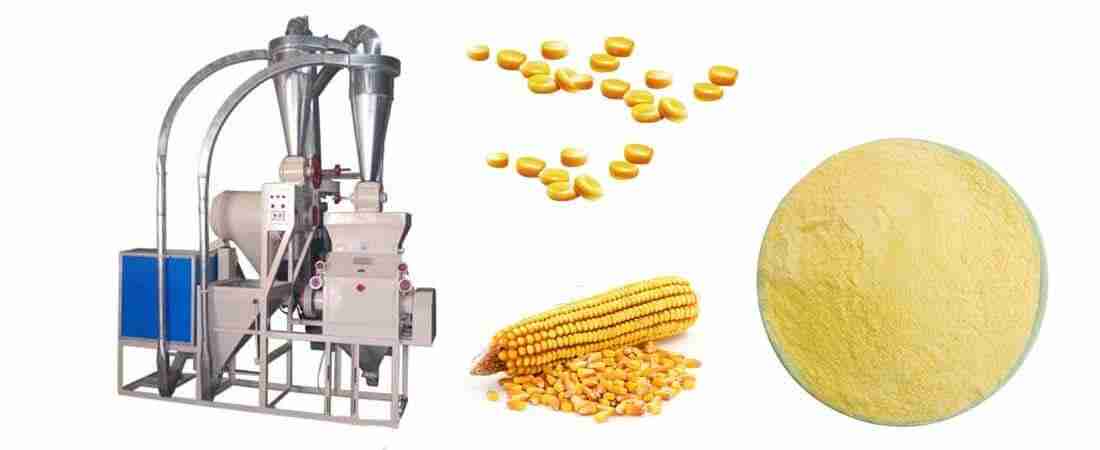
Exploring the Essential Techniques for Efficient Maize Milling
In the intricate world of maize milling, efficient techniques play a pivotal role in transforming raw maize into a variety of valuable products. At the heart of this process lies the need for precision and innovation. Understanding the grain structure is paramount; maize kernels consist of three main components—starch, protein, and fiber. By employing techniques such as dry milling and wet milling, millers can achieve varying levels of fineness suited for different applications. The fusion of traditional methods and modern machinery can enhance efficiency and maintain quality. Key strategies for operators might include:
- Regular equipment maintenance: Ensures machines operate at optimal efficacy.
- Temperature control: Prevents the degradation of grain nutrients during milling processes.
- Proper moisture content management: Critical for maximizing yield and preventing spoilage.
Moreover, the sifting and cleaning processes are essential to attain high purity levels in the final product. Implementing a well-structured workflow that integrates high-performance separators and sifters can significantly improve productivity. Investing in advanced technologies such as digital monitoring systems can optimize operational settings in real-time, allowing millers to respond swiftly to any discrepancies. Below is a brief comparison of traditional and modern milling techniques:
| Technique | Advantage | Disadvantage |
|---|---|---|
| Traditional Milling | Cost-effective and accessible | Higher labor intensity and time-consuming |
| Modern Milling | Higher efficiency and consistency | Significant initial investment required |

Understanding the Nutritional Benefits of Properly Milled Maize
Maize, when properly milled, becomes a powerhouse of essential nutrients, offering a variety of health benefits that can transform diets around the world. The milling process, when executed with care, preserves vital components that are often lost in less rigorous methods. Key nutritional benefits include:
- High Fiber Content: Proper milling retains the bran layer, which is rich in dietary fiber, aiding digestion and promoting gut health.
- Vitamin Boost: Maize is a natural source of B-vitamins, particularly thiamine and niacin, which play crucial roles in energy metabolism.
- Mineral Rich: Milled maize is a good source of important minerals such as magnesium, phosphorus, and zinc, essential for various bodily functions.
- Antioxidants: It contains antioxidants like lutein and zeaxanthin that support eye health and protect against oxidative stress.
To illustrate the nutritional composition of milled maize, the table below highlights some key components found in a standard serving:
| Nutrient | Per 100g Serving |
|---|---|
| Calories | 365 |
| Carbohydrates | 74g |
| Protein | 9g |
| Fat | 4g |
| Fiber | 7.3g |
This rich nutritional profile showcases why embracing the art and science of maize milling is not just a matter of culinary tradition but also a pathway to enhanced health and wellness. Properly milled maize offers not only versatility in meals but also a chance to nourish oneself with the purity and depth of vitamins and minerals it provides.

Innovative Technologies Transforming the Maize Milling Industry
The maize milling industry is undergoing a revolutionary transformation, driven by a plethora of innovative technologies that enhance efficiency and sustainability. One of the most impactful advancements is the integration of smart milling systems. These systems utilize artificial intelligence and machine learning algorithms to monitor and optimize the milling process in real-time. By analyzing factors such as moisture content, particle size distribution, and energy consumption, mill operators can fine-tune their outputs, resulting in higher yields and reduced waste. Additionally, automation technologies streamline operations, minimizing labor costs while ensuring consistency in product quality.
Another significant shift comes from the adoption of sustainable practices using innovative technologies. Many mills are now harnessing renewable energy sources, such as solar and biomass, to power their operations, significantly reducing their carbon footprint. Moreover, advanced filtration and purification methods are being employed to minimize environmental impact while improving the quality of the final maize products. The use of mobile apps for supply chain management is also on the rise, allowing for better tracking and inventory management based on real-time data. This combination of technology and sustainable practices is not only optimizing production but also aligning the industry with global goals for sustainability.

Best Practices for Sustainable Maize Milling Operations
Implementing sustainable practices in maize milling not only enhances operational efficiency but also contributes to environmental stewardship. One of the key approaches is to optimize energy consumption by investing in energy-efficient machinery and utilizing renewable energy sources such as solar or biomass. These adjustments not only reduce carbon emissions but can also lower operational costs in the long run. Moreover, waste management is vital; milling operations should aim to minimize by-products while finding innovative ways to repurpose or recycle waste. This could involve transforming husks and other refuse into animal feed or biodegradable materials, thereby closing the loop within the production cycle.
Furthermore, water management signifies a critical component of sustainability in milling operations. Implementing rainwater harvesting systems or water recycling technologies can significantly lessen water usage and mitigate the impact on local water sources. Training employees in sustainable practices is equally important; this ensures that every member of the team is aware of their role in promoting sustainable operations. Regular maintenance of machinery should not be overlooked, as it prevents spills and leaks that could harm the environment. Creating a culture of sustainability where every action counts can dramatically improve the overall impact of maize milling production.
Wrapping Up
In exploring the intricate dance between tradition and technology, “Unlocking Potential: The Art and Science of Maize Milling” reveals not only the foundational practices that have sustained communities for generations but also the innovative techniques that promise to redefine the future of food production. As we journeyed through the rich tapestry of maize milling, we discovered that each kernel is a testament to human ingenuity—a bridge connecting the past with our ever-evolving present.
The art of milling goes beyond mere processing; it embodies the spirit of sustainability and resilience. As we stand on the precipice of a new era in agricultural practices, understanding the science behind maize milling becomes crucial. It opens doors to improving food security, fostering economic growth, and preserving cultural heritage.
With the insights gleaned from both the art and science of this essential craft, we are reminded that unlocking potential is a collective endeavor. It calls for innovation grounded in respect for tradition, inviting us all to play a part in the ongoing narrative of maize. As we look ahead, let us embrace both the wisdom of the ages and the possibilities of the future, ensuring that the story of maize milling continues to thrive for generations to come.




