
In the world of culinary innovation and health-conscious eating, grains stand as both a staple and a treasure trove of potential. From the humble oat to the versatile quinoa, these tiny powerhouses are woven into the fabric of diets across cultures and history. Yet, the journey from field to fork involves a complex alchemy—an intricate dance between art and science known as cereal processing. This article delves into the fascinating process of unlocking grains, revealing how carefully calibrated methods transform raw materials into nutritious, flavor-rich ingredients. Join us as we explore the techniques behind milling, fermentation, and cooking, uncovering the wonders that happen when tradition meets technology in the pursuit of the perfect grain.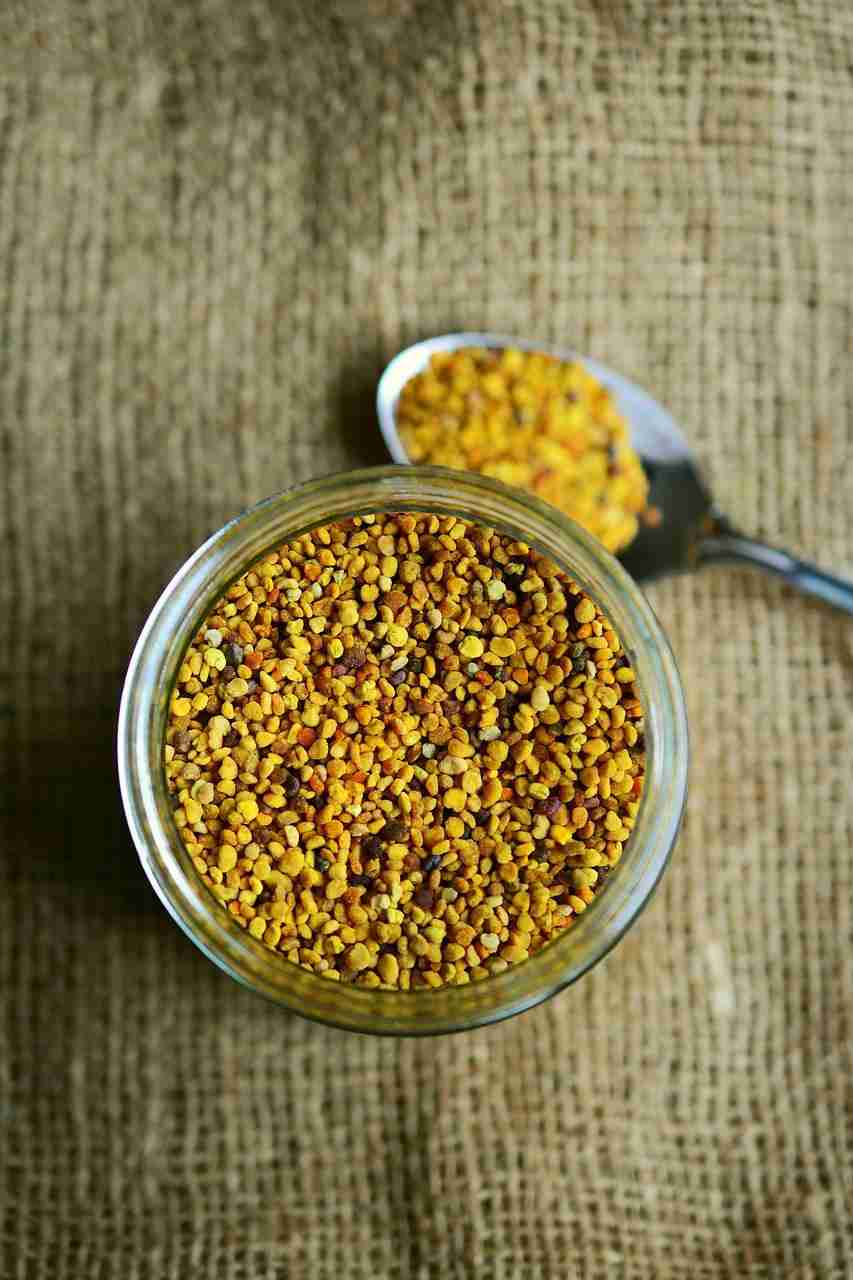
Exploring the Nutritional Journey of Grains from Farm to Table
Envision a vibrant field of golden grains swaying gently in the breeze, a testament to nature’s bounty. Each stalk represents an intricate journey, laden with the potential to nourish millions. From the moment seeds are sown in nutrient-rich soil, the life cycle of grains unfolds through diligent farming practices. Farmers employ a rendezvous of crop rotation, soil management, and water conservation techniques to optimize the yield. As the grains mature, they are harvested, creating a cascade of activity where machines churn into action, efficiently collecting the harvest and initiating the transformation process that will lead to our tables.
Once harvested, the grains embark on their next adventure—processing. This stage is where art meets science, as grains undergo a series of transformations to unlock their full potential. Key steps include cleaning, milling, and enriching, each serving a specific purpose. The grains are cleaned to ensure quality, milled to achieve desired textures, and often enriched with vital nutrients. Below is a concise table highlighting some of the common grains and their primary uses:
| Grain Type | Common Uses |
|---|---|
| Wheat | Breads, Pasta, Pastries |
| Rice | Side Dishes, Sushi, Risottos |
| Barley | Soups, Stews, Malt for Beer |
| Oats | Breakfast Cereals, Baked Goods |
This meticulous journey culminates at a crossroads where innovation plays a vital role. Advanced technologies in food processing, such as whole grain milling and fortification, enhance both the nutritional value and the safety of grain products. The marriage of traditional techniques with modern practices ensures that grains not only fuel our bodies but also maintain their earthy essence, bridging the gap between our plates and the fields from which they sprouted.
Innovative Techniques in Grain Milling: Balancing Tradition and Technology
The interplay of tradition and technology in grain milling has birthed a new era of efficiency and sustainability. While age-old methods relied heavily on labor-intensive processes, modern innovations now harness sophisticated machinery and software solutions. These advancements have not only enhanced productivity but also preserved the quality and nutritional value of grains. Some of the pivotal techniques that are revolutionizing grain processing include:
- Stone Milling: Retaining the flavor and nutritional integrity of grains.
- Micronization: Utilizing high-speed impact milling for finely-ground products.
- Cold Milling: Minimizing heat exposure to protect essential oils and flavors.
- Automation: Streamlining operations through smart technology for consistency and efficiency.
Combining these innovative practices allows millers to balance the timeless art of grain processing with the rapid pace of technological evolution. The effective integration of data analytics plays a crucial role in understanding market demands and optimizing production schedules. Here’s an overview of how different milling techniques contribute to specific outcomes in grain quality:
| Technique | Outcome | Benefits |
|---|---|---|
| Stone Milling | Preserved Nutrients | Enhanced flavor, less nutrient loss |
| Micronization | Uniform Particle Size | Improved texture and appearance |
| Cold Milling | Flavor Retention | Maintains essential oils and vitamins |
| Automation | Operational Efficiency | Reduced manual labor and increased output |
The intricate balance between preserving traditional practices and embracing the latest technology represents the future of grain milling. With a focus on sustainability and efficiency, dietary choices are evolving alongside advancements in milling techniques, ensuring that grains continue to play a vital role in our diets and industries.
Enhancing Flavor and Texture: The Art of Cereal Formulation
Creating a successful cereal product involves a delicate balance of flavors and textures, achieved through meticulous formulation techniques. The incorporation of various ingredients allows for a symphony of taste, from the earthy notes of whole grains to the sweetness of added fruits and natural sweeteners. Considerations must be made for factors such as:
- Ingredient Selection: Choosing grains and additives that complement each other, such as oats with dried berries or nuts.
- Texture Variation: Balancing crunchiness with chewiness to enhance mouthfeel; for instance, toasted flakes paired with chewy clusters.
- Aroma and Flavor Enhancements: Utilizing natural flavorings, spices, and extracts to elevate the sensory experience.
The science of cereal formulation also incorporates elements of food technology, ensuring that every box of cereal not only tastes good but is appealing to consumers. This includes understanding how various processing techniques impact the end product. A well-structured approach may include:
| Processing Technique | Impact on Flavor | Impact on Texture |
|---|---|---|
| Toasting | Enhances nutty flavors | Increases crunchiness |
| Extrusion | Allows for the incorporation of flavor infusions | Creates unique shapes and textures |
| Drying | Concentrates sweetness in fruits | Preserves crispness of ingredients |
Through careful experimentation and innovation, cereal makers can unlock new dimensions of flavor and texture that resonate with a variety of taste preferences. By blending cutting-edge food science with culinary creativity, the potential for enhanced consumer satisfaction is limitless.

Sustainable Practices in Cereal Processing: Reducing Waste and Environmental Impact
In the quest for sustainability, cereal processing has undergone significant transformation, emphasizing strategies that minimize environmental footprints while maximizing resource efficiency. The integration of modern technologies, such as precision agriculture and circular economy principles, helps reduce waste at every stage of the cereal processing pipeline. By adopting techniques like by-product utilization, mills can convert leftover husks and bran into value-added products such as animal feed or biofuels. This not only leads to a reduction in landfill waste but also promotes a more sustainable approach to cereal supply chains.
Furthermore, implementing water-saving technologies and energy-efficient machinery in processing plants has become a cornerstone of sustainable operations. Innovations such as closed-loop water systems significantly decrease freshwater consumption while advanced milling equipment optimizes energy use. Additionally, companies are increasingly focusing on sustainable packaging solutions, utilizing biodegradable and recyclable materials to further diminish their environmental impact. The shift toward adopting these eco-friendly practices not only supports corporate responsibility but also resonates with consumers who are becoming more conscious of their purchasing decisions.
Key Takeaways
As we reach the conclusion of our exploration into “Unlocking Grains: The Art and Science of Cereal Processing,” we are left with a profound appreciation for the delicate balance between tradition and innovation that defines this crucial field. It is a dance of elements—the grain’s innate properties, the meticulous techniques employed by skilled processors, and the ever-evolving advancements in technology that shape our cereals from field to table.
Through the processes of milling, cooking, and extrusion, we transform humble grains into versatile staples that nourish billions around the globe. Each method, rooted in both art and science, reveals the potential that lies within every kernel. As we continue to unlock these grains, we not only enhance their flavors and nutritional profiles but also discover new ways to address the world’s food challenges.
Let us carry forward this knowledge into our kitchens and communities, appreciating the intricate journey of food from farm to fork. In our ongoing quest for sustainability and health, may we remain ever curious, exploring the vast possibilities that grains hold in the tapestry of our diets. The story of cereal processing is far from over; it is a narrative that continually unfolds, inviting us to participate in its next chapter.




