
Maize, or corn, has been a staple in diets around the world for centuries. From tortillas in Mexico to polenta in Italy, this versatile grain serves as a vital source of nutrition and sustenance for billions of people. However, the true power of maize lies in its milling process, where kernels are transformed into flours and meals that can be used in a myriad of culinary creations. Join us as we delve into the fascinating world of maize milling and explore the incredible potential that this humble grain holds.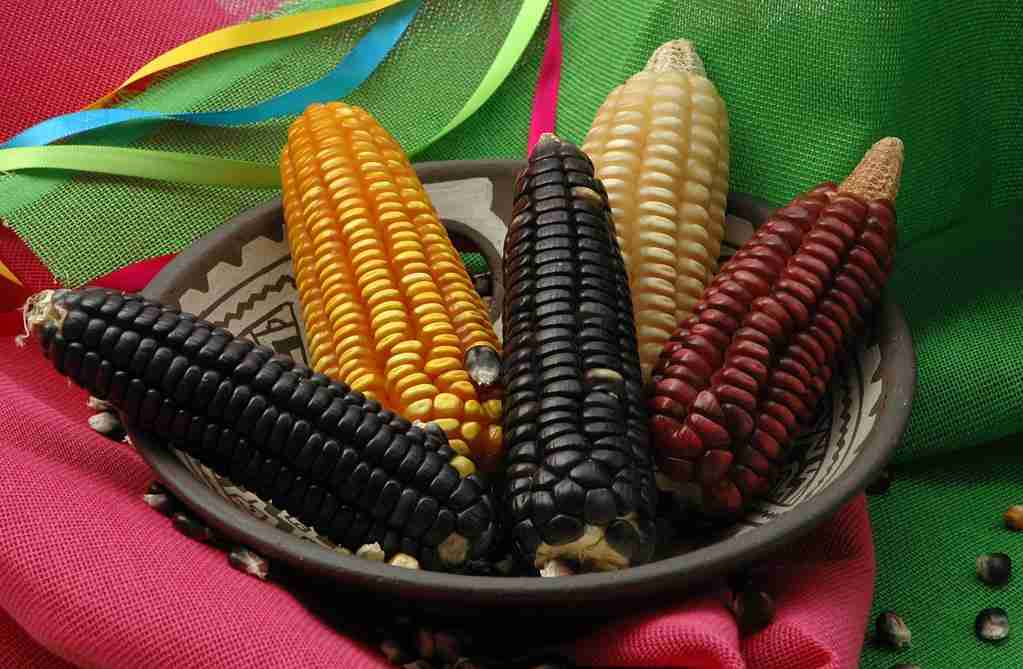
Exploring the Potential of Maize as a Staple Crop
Maize, also known as corn, is a versatile staple crop that has been a dietary staple for thousands of years. From tortillas in Mexico to polenta in Italy, maize is a key ingredient in many cultural dishes around the world. One of the key processes in unleashing the power of maize is the milling process, where the maize kernels are ground into flour for use in a variety of foods.
During the milling process, the maize kernels are broken down into different components, each with its own unique properties and uses. The endosperm, which makes up the bulk of the kernel, is ground into flour that can be used for baking breads, pastries, and other goods. The germ, which is rich in nutrients and oils, can be processed into corn oil or used in animal feed. The bran, the outer layer of the kernel, is high in fiber and can be used in animal feed or as a nutritional supplement for humans. By understanding the different components of maize and how they can be utilized, we can truly unleash the power of this versatile crop.

Understanding the Importance of Proper Milling Techniques
In the world of agriculture, maize plays a vital role in providing sustenance and nutrition to millions of people worldwide. However, the true potential of maize can only be unlocked through proper milling techniques. By understanding the importance of milling processes, we can ensure that maize is transformed into various forms that are not only delicious but also nutritious.
Proper milling techniques ensure that every part of the maize kernel is utilized effectively, maximizing its nutritional value. Through processes such as degermination and sifting, the maize is transformed into flour that can be used for a wide range of culinary creations. By paying attention to details such as grain size and moisture content, we can guarantee that the end product is of the highest quality. With the right milling techniques, maize becomes more than just a staple food – it becomes a versatile ingredient that can be used in a myriad of dishes.
Maximizing Efficiency and Nutrient Retention in the Milling Process
When it comes to , there are several key factors to consider. One important aspect is the selection of the right milling equipment. Investing in high-quality machinery can lead to higher efficiency and better retention of essential nutrients in the final product.
Additionally, implementing proper cleaning and sorting techniques before the milling process can significantly impact the quality of the final product. Removing impurities and foreign materials not only improves efficiency but also helps retain the nutritional value of the maize. By paying attention to these details and utilizing the latest technologies available in the milling industry, producers can unleash the full potential of maize and create products that are not only highly efficient but also rich in nutrients.

Innovative Technology and Equipment for Maize Milling Operations
When it comes to maize milling operations, having access to innovative technology and equipment can make all the difference in unleashing the full power of maize. With the right tools at your disposal, you can streamline the milling process, increase efficiency, and produce high-quality maize products that meet the demands of your customers.
One of the key technologies revolutionizing maize milling operations is the use of automated sorting systems. These systems utilize advanced sensors to sort maize kernels based on their size, shape, and color, ensuring consistent quality and reducing waste. Additionally, state-of-the-art milling equipment such as precision grinders and sifters allow for precise control over the grinding process, resulting in finer maize flour with a superior texture. By incorporating these innovative technologies into your maize milling operations, you can elevate your product offerings and stay ahead of the competition in the ever-evolving maize market.
Final Thoughts
As we conclude our exploration of the fascinating world of maize milling, we hope you have gained a deeper appreciation for the crucial role this process plays in our food supply chain. From the ancient civilizations to modern industrial methods, maize milling has evolved and adapted to meet the needs of diverse cultures and industries around the world. By understanding the intricacies of this process, we can truly unleash the power of maize to nourish, sustain, and inspire future generations. So let us continue to celebrate the journey from field to table, where the humble maize kernel transforms into a versatile and essential ingredient that feeds the world. Thank you for joining us on this insightful journey into the world of maize milling. Let the power of maize continue to flourish in all its forms.




